 Preview
 Send
Send Share
Share
 Details

 Download
 Similars
 X-Ray
X-Ray Diaporama
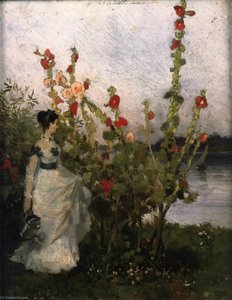
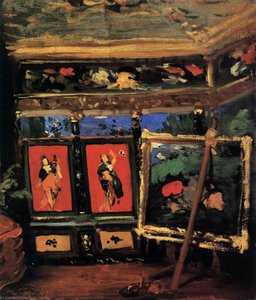
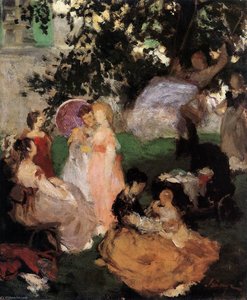
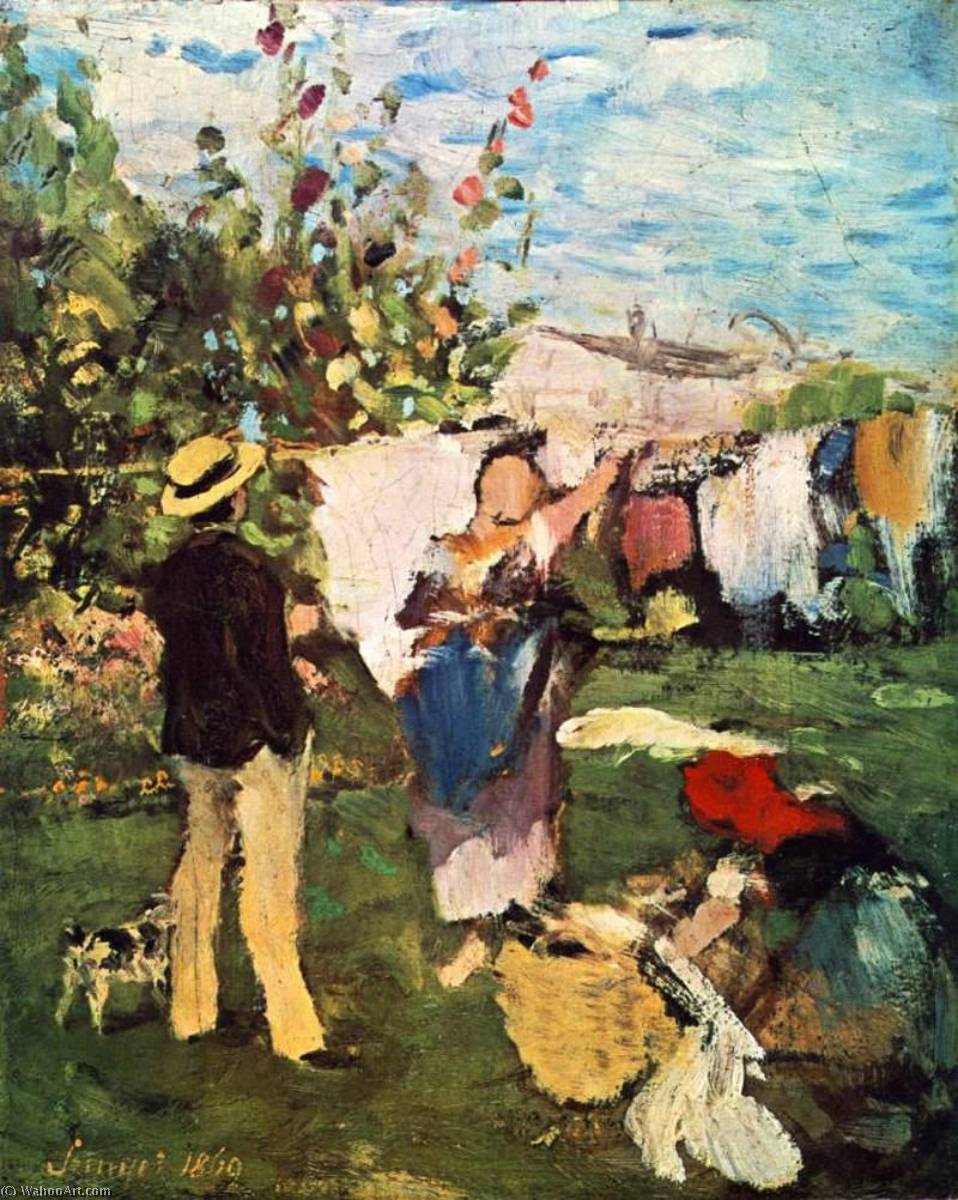
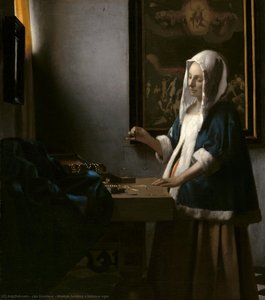
Clothes Drying
 1869
1869 31.0 x 31.0 cm
 Read More
Hand Made Oil Reproduction
Hand-painted oil on canvas in your size and frame, made to order by our artists. ( Buy Print Buy Image)




































Pick from our preset sizes that match the artwork's original proportions.

You may enter your own dimensions to fit a specific frame or space. If your selected size does not match the original image's proportions, we will either crop the artwork or extend the painting with additional hand-painted elements. A digital mockup will be sent for your approval before production begins.
Please note that the on-screen preview does not reflect the actual cropping or extension. Only the mockup will accurately show the final composition.
While custom sizes are available, we recommend selecting a dimension from the predefined list to preserve the original proportions.
After order, ArtsDot.com team will email client for instructions and provide a mockup preview
Worldwide Delivery () in 3/4 weeks instead of standard 5 weeks. (16 August). No compromise on quality.

Free Worldwide Express Shipping

High-Quality Linen Canvas

Full Shipping Insurance

Customs Tax Refund Guarantee

True Color Matching Guarantee

60-Day Return Policy (Defects Only)

100% Money-Back Guarantee

Bulk Discount Offer
 Glass option is only available in size under 110 CM

Clothes Drying
Reproduction Medium
Reproduction Size
-


Total Price
$ 263
Related Artworks
Artist Biography
A Life Illuminated: Pál Szinyei Merse and the Pursuit of Light
Pál Szinyei Merse, a name perhaps less familiar than some of his contemporaries, stands as a pivotal figure in Hungarian art history, a painter who wrestled with self-doubt yet ultimately forged a unique path toward capturing the ephemeral beauty of light and color. Born on July 4, 1845, in Szinyeújfalu, Hungary, into an aristocratic family deeply involved in the nation’s turbulent political landscape—supporting the Hungarian Revolution—his early life was marked by both privilege and instability. This formative period, punctuated by private schooling due to unrest, instilled within him a sensitivity that would later permeate his artistic vision. His formal training began at the Academy of Fine Arts in Munich, where he studied under Alexander von Wagner and subsequently Karl von Piloty. While technically proficient, Szinyei Merse felt constrained by the academic rigidity of the institution. A pivotal encounter with Wilhelm Leibl proved transformative; Leibl introduced him to the revolutionary practice of plein-air painting—capturing landscapes directly from nature—a technique that would fundamentally shape his artistic identity and set him apart from many of his peers.From Genoa to Nagybánya: Finding His Voice Amidst Struggle
The year 1870 saw Szinyei Merse relocate to Genoa, a vibrant port city brimming with Mediterranean light and color. Though initially inclined to remain there, the pull of family obligations ultimately led him back to Hungary in 1872. Establishing a studio near that of his friend Arnold Böcklin, he embarked on a period of intense creativity, yet financial anxieties and personal struggles soon began to overshadow his artistic pursuits. This era was characterized by a relentless self-criticism and periods of profound discouragement, leading him to abandon painting altogether for over a decade beginning in 1882. A painful divorce in 1887 further compounded these difficulties. His dedication to raising his son, Félix, during this time demonstrated a deep sense of responsibility, but it was the encouragement of friends and colleagues that eventually spurred him toward a remarkable artistic resurgence.A Late Flowering: Recognition and Reform
The year 1894 marked a turning point in Szinyei Merse’s career. A retrospective exhibition, orchestrated by his devoted circle of friends, provided long-overdue recognition for his talent. The purchase of one of his works by Emperor Franz Joseph signaled the beginning of renewed acclaim and artistic productivity. He painted with an almost feverish intensity during this later period, despite remaining perpetually critical of his own efforts. Beyond his personal artistic journey, Szinyei Merse became a vocal advocate for reform within Hungarian art education. Elected to the Diet of Hungary in 1896, he championed significant changes aimed at modernizing and revitalizing the nation’s artistic institutions. His presidency of the Hungarian University of Fine Arts from 1905 further solidified his commitment to nurturing future generations of artists, actively supporting the influential Nagybánya artist colony—a hub for innovative experimentation and a vital force in shaping modern Hungarian art.The Language of Light: Style and Legacy
Szinyei Merse’s artistic style is characterized by its luminous quality and masterful handling of color. Influenced by plein-air painting, he sought to capture the fleeting effects of light on landscapes and figures, imbuing his canvases with a sense of atmosphere and immediacy. His works often depict idyllic scenes—sun-drenched meadows, tranquil waterscapes, intimate portraits—rendered in a palette that ranges from vibrant hues to subtle, muted tones. While initially influenced by Romanticism, Szinyei Merse’s later work demonstrates an increasing sensitivity to Impressionistic principles, evident in his broken brushstrokes and emphasis on optical effects. His ability to convey emotion through color and light is particularly striking; a sense of melancholy or quiet contemplation often pervades his paintings, inviting viewers into a world of introspective beauty. Though he faced periods of obscurity and self-doubt, Pál Szinyei Merse’s legacy endures as that of a pioneering artist who championed the power of observation and the pursuit of light—a true innovator in Hungarian art.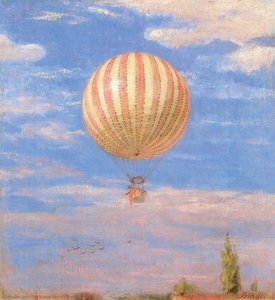
pal merse szinyei
1845 - 1920
Quick Facts
- Artistic Movement Or Style: Romanticism, Impressionism
- Artists Who Influenced This Artist:
- Alexander von Wagner
- Karl von Piloty
- Wilhelm Leibl
- Arnold Böcklin
- Date Of Birth: July 4, 1845
- Date Of Death: February 2, 1920
- Full Name: Pál Szinyei Merse
- Nationality: Hungarian
- Notable Artworks:
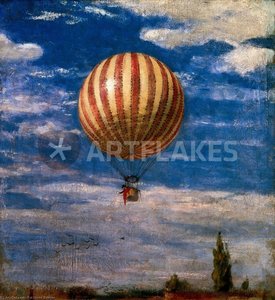
- The Balloon
- Loading Hay
- Mallows
- Portrait of the Artist's Wife
- Guelder rose
- Place Of Birth: Szinyeújfalu, Hungary