

 Preview
 Send
Send Share
Share
 Details

 Download
 Similars
 X-Ray
X-Ray Diaporama
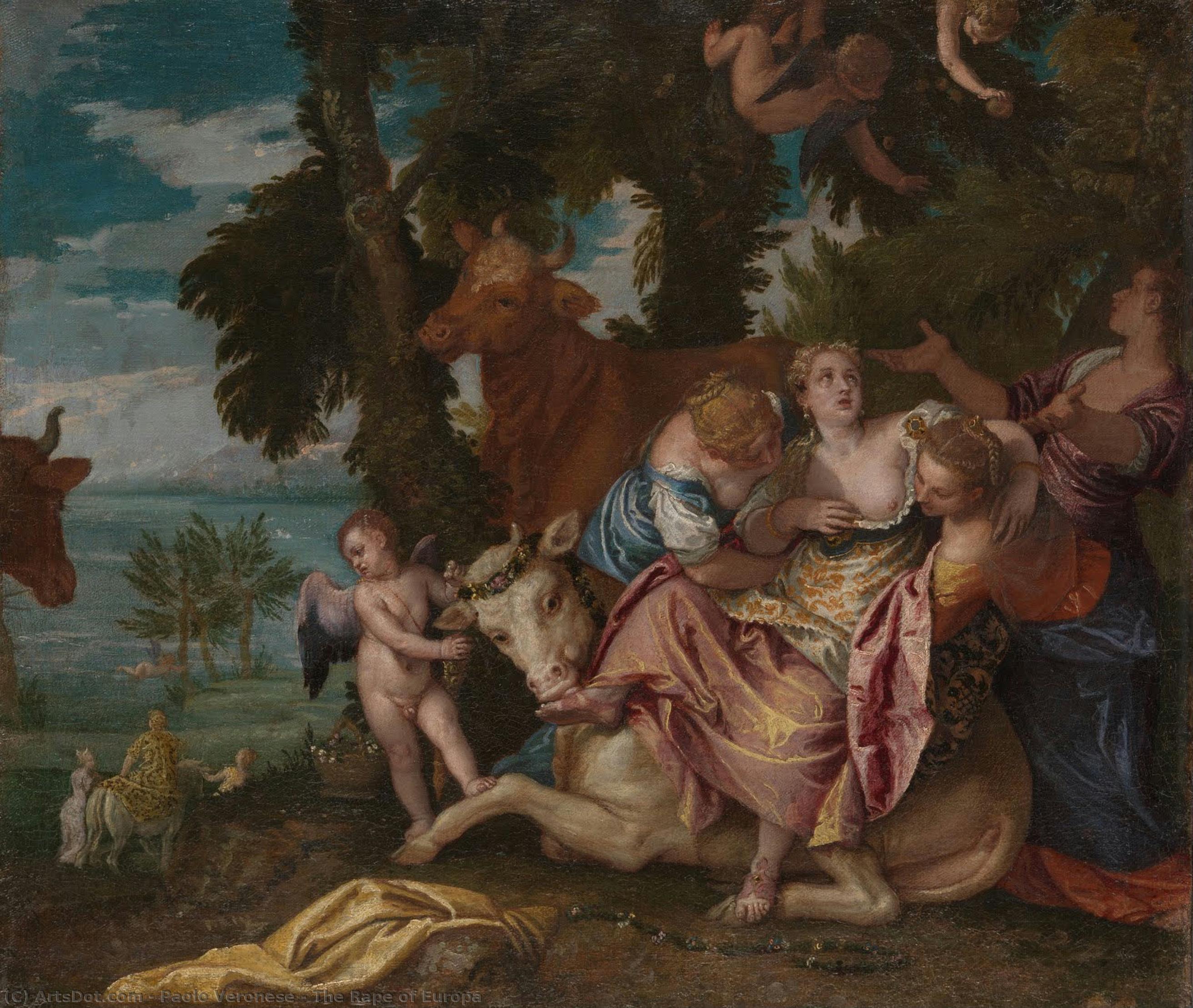
The Rape of Europa
 Oil On Canvas
- WallArt
- Venetian Renaissance
 1570
1570 59.0 x 70.0 cm
 National Gallery
 Read More
Purchase a high-resolution, enhanced digital image, far superior to the online preview.
Each file is meticulously prepared by our in-house specialists using advanced tools and expert manual retouching. We ensure every image has exceptional clarity, precise color accuracy, and fine detail.
The final file is delivered via email within 72 hours, optimized for immediate use in professional, editorial, and print environments. This is the same quality trusted by top-tier design studios, publishers, and galleries.
Digital Image
Download a high-resolution file for personal display, printing, and creative projects. ( Buy Print Buy Hand Made Painting)
Included in Every Digital Image Order
Expert Digital Delivery, Guaranteed
When you choose ArtsDot.com, you're not just getting an image - you're receiving a professionally enhanced digital artwork, crafted with precision and backed by a satisfaction guarantee. Here's everything that comes with your order, automatically:

Fast Email Delivery
Your high-resolution digital image file will be emailed to you within 72 hours of ordering - ready for immediate use.

AI-Enhanced Digital File
Your artwork is professionally optimized using advanced AI tools and manual editing, ensuring maximum detail, clarity, and color accuracy.

Free Lifetime Re-Delivery
Accidentally deleted or lost your file? No worries - we'll resend it to you anytime, free of charge.

No Import Fees - Ever
Enjoy your artwork instantly with zero customs, duties, or delivery fees - digital downloads are always tax-free.

Color Accuracy Guarantee
We ensure your digital image reflects the original colors as closely as possible using professional tools and color management.

60-Day Satisfaction Guarantee
If you're not satisfied with your digital image, we'll revise it or refund 100% within 60 days - no questions asked.

100% Money-Back Guarantee
Not satisfied? Get a full refund within 60 days of receiving your digital file - no questions asked.

Bulk Order Discounts
Buy 3 images, save 10% - Buy 5, save 15% - Buy 10+, save 20%. Great for creative projects, galleries, and agencies.
Collectible Description
The Rape of Europa: A Venetian Masterpiece of Myth and Desire
Paolo Veronese’s *The Rape of Europa*, painted in 1570, is not merely a depiction of a classical myth; it's a vibrant, opulent tableau brimming with sensual energy and subtle psychological complexity. Emerging from the heart of Venice during its golden age, this painting transcends simple narrative to become a profound meditation on power, beauty, and the unsettling nature of desire. Veronese, already renowned for his lavish use of color and dramatic compositions, elevates the story of Zeus’s abduction of Europa – a tale recounted by Ovid – into a scene of arresting visual richness and carefully orchestrated theatricality. The painting's scale—measuring 59 x 70 cm—draws the viewer in, inviting them to become part of this unfolding drama, while its meticulous detail and masterful use of light and shadow create an atmosphere both alluring and slightly unnerving.A Scene from Myth and Roman History
The story itself is a cornerstone of Greek mythology, recounted with varying degrees of explicitness across numerous classical sources. Europa, a Phoenician princess renowned for her beauty, was pursued by Zeus who, in his guise as a magnificent white bull, lured her onto his back and carried her across the sea to Crete. There, she became the mother of Minos, one of the most significant rulers of Minoan Crete. Veronese’s painting captures this pivotal moment – the initial encounter between the god and the princess – with remarkable skill. The setting is deliberately ambiguous, suggesting a coastal landscape reminiscent of both Tyre (Europa's homeland) and Crete, blurring geographical boundaries and emphasizing the universality of the mythic narrative. The inclusion of three cows adds an intriguing layer to the composition, perhaps alluding to the bull’s origins or subtly referencing the pastoral elements associated with the story.Technique and Venetian Splendor
Veronese's mastery is immediately apparent in his handling of color and texture. He employs a rich, saturated palette—deep reds, blues, golds, and greens—characteristic of Venetian painting at its peak. These colors aren’t simply decorative; they are carefully chosen to evoke specific emotions and enhance the drama of the scene. Notice how he uses light to sculpt the figures, creating a sense of volume and movement. The bull's form is particularly striking, rendered with an almost luminous quality that emphasizes his power and majesty. Veronese’s technique also demonstrates a remarkable understanding of perspective and spatial arrangement. The composition is meticulously balanced, drawing the eye from the foreground action towards the distant sea, creating a sense of depth and immersion. The use of *impirmatura*, a preliminary underpainting, allowed him to build up layers of color with incredible speed and precision – a hallmark of his style.Symbolism and Emotional Resonance
Beyond its narrative content, *The Rape of Europa* is laden with symbolic meaning. The bull itself represents Zeus’s divine power and untamed sexuality, while Europa embodies innocence and beauty—a prize to be seized by the god. The presence of the other women in the background, seemingly oblivious to the unfolding drama, raises questions about complicity and the vulnerability of those caught in the crosscurrents of desire. The overall mood is one of unsettling sensuality; it’s a scene both captivating and slightly disturbing. Veronese doesn't shy away from depicting the physical act of abduction, yet he does so with an artistic grace that elevates it beyond mere brutality. The painting invites contemplation on themes of power dynamics, consent (or its absence), and the enduring allure of mythic narratives. It’s a testament to Veronese’s ability to transform ancient legends into visually arresting and emotionally resonant works of art.A Reproduction for Your Collection
ArtsDot offers meticulously crafted hand-painted reproductions of Paolo Veronese's *The Rape of Europa*, allowing you to bring this iconic masterpiece into your home or office. Our skilled artists replicate the painting’s vibrant colors, intricate details, and atmospheric depth with unparalleled accuracy. Choose from a range of sizes to suit your space and budget, knowing that you are acquiring a genuine work of art—a faithful representation of Veronese's genius. This reproduction is not merely a print; it’s an experience – a window into the world of Venetian splendor and timeless myth.Related Artworks

Artist Biography
A Venetian Visionary: The Life and Art of Paolo Veronese
Paolo Caliari, known to the world as Paolo Veronese, emerged from the vibrant artistic landscape of 16th-century Venice as a master of color, composition, and opulent spectacle. Born in Verona in 1528, the son of a stonecutter, his early life was steeped in the visual richness of his surroundings – the classical architecture, sculpted forms, and burgeoning humanist ideals that characterized the region. His initial training under Antonio Badile and Giovanni Francesco Caroto laid a foundation in traditional techniques, but it was his move to Venice in the 1550s that truly ignited his artistic genius. The city itself became his muse, its bustling marketplaces, grand palazzi, and shimmering waterways informing the scale and drama of his work. He quickly absorbed the influences of established Venetian masters like Titian, whose mastery of color profoundly impacted Veronese’s palette, yet he forged a distinct style characterized by an unparalleled sense of theatricality and grandeur.The Painter of Feasts and Grand Narratives
Veronese's reputation rests upon his monumental paintings, particularly those depicting lavish feasts and biblical scenes transformed into dazzling displays of Venetian life. The Wedding at Cana, completed in 1563 for the Benedictine monastery of San Giorgio Maggiore, stands as a testament to his skill. This colossal canvas isn’t merely an illustration of the miracle; it's a vibrant panorama of 16th-century society, teeming with elegantly dressed figures, musicians, and architectural details rendered with breathtaking precision. The painting is not just about what happened at Cana but *how* it would have looked if it had occurred in Venice during Veronese’s time. Similarly, The Feast in the House of Levi, originally titled The Last Supper, caused controversy with the Inquisition due to its inclusion of contemporary figures and a seemingly irreverent atmosphere. Veronese defended his artistic license, asserting that painters were entitled to the same creative freedom as poets and jesters – a bold statement reflecting his belief in art’s power to interpret and reimagine sacred narratives. These works weren't simply religious depictions; they were celebrations of life, wealth, and the splendor of Venice itself. He wasn’t interested in austere spirituality but rather in capturing the joy and abundance of existence.Influences and Artistic Development
While Titian’s influence on Veronese’s colorism is undeniable, his artistic development was a complex interplay of various influences. The architectural precision he brought to his compositions owes much to the classical tradition prevalent in Verona during his formative years, particularly the work of architects like Michele Sanmicheli. He also absorbed elements from Central Italian masters such as Raphael and Parmigianino, evident in the graceful lines and harmonious arrangements within his paintings. However, Veronese didn’t simply imitate these influences; he synthesized them into a uniquely Venetian style characterized by its dramatic use of light, vibrant color palettes, and meticulous attention to detail. He excelled at creating illusions of space and depth, employing perspective techniques to draw viewers into the heart of his elaborate scenes. His mastery of oil painting allowed him to achieve an unparalleled luminosity and richness of texture. He also ran a large workshop, with contributions from his brother Benedetto and sons Gabriele and Carlo, ensuring that his style continued to flourish even after his death in 1588.Legacy and Historical Significance
Paolo Veronese’s impact extends far beyond the realm of Renaissance art. His work has resonated through centuries, inspiring artists across various disciplines. His dramatic compositions and vibrant color schemes have been cited as influences on everything from Baroque painting to modern cinema – even finding echoes in the visual aesthetics of Spaghetti Westerns. He was part of the “great trio” of Venetian painters—alongside Titian and Tintoretto—each contributing uniquely to the city’s artistic legacy, yet Veronese often stands apart for his sheer exuberance and celebration of earthly pleasures. His paintings continue to captivate audiences with their grandeur and spectacle, offering a glimpse into the opulent world of 16th-century Venice.- He redefined historical painting by imbuing it with contemporary life.
- His use of color remains influential for artists today.
- His work embodies the spirit of Renaissance humanism and celebration of earthly beauty.
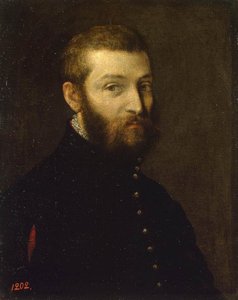
Paolo Veronese
1528 - 1588 , Italy
Quick Facts
- Artistic Movement Or Style: Renaissance, Mannerism
- Artists Or Movements Influenced By This Artist:
- Rubens
- Watteau
- Artists Who Influenced This Artist: ['Titian']
- Date Of Birth: 1528
- Date Of Death: 1588
- Full Name: Paolo Veronese
- Nationality: Italian
- Notable Artworks:
- The Wedding at Cana
- Feast in the House of Levi
- Other Names: Paolo Caliari
- Place Of Birth: Verona, Italy

