 Preview
 Send
Send Share
Share
 Details

 Download
 Similars
 X-Ray
X-Ray Diaporama
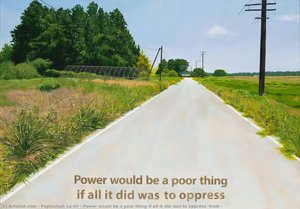
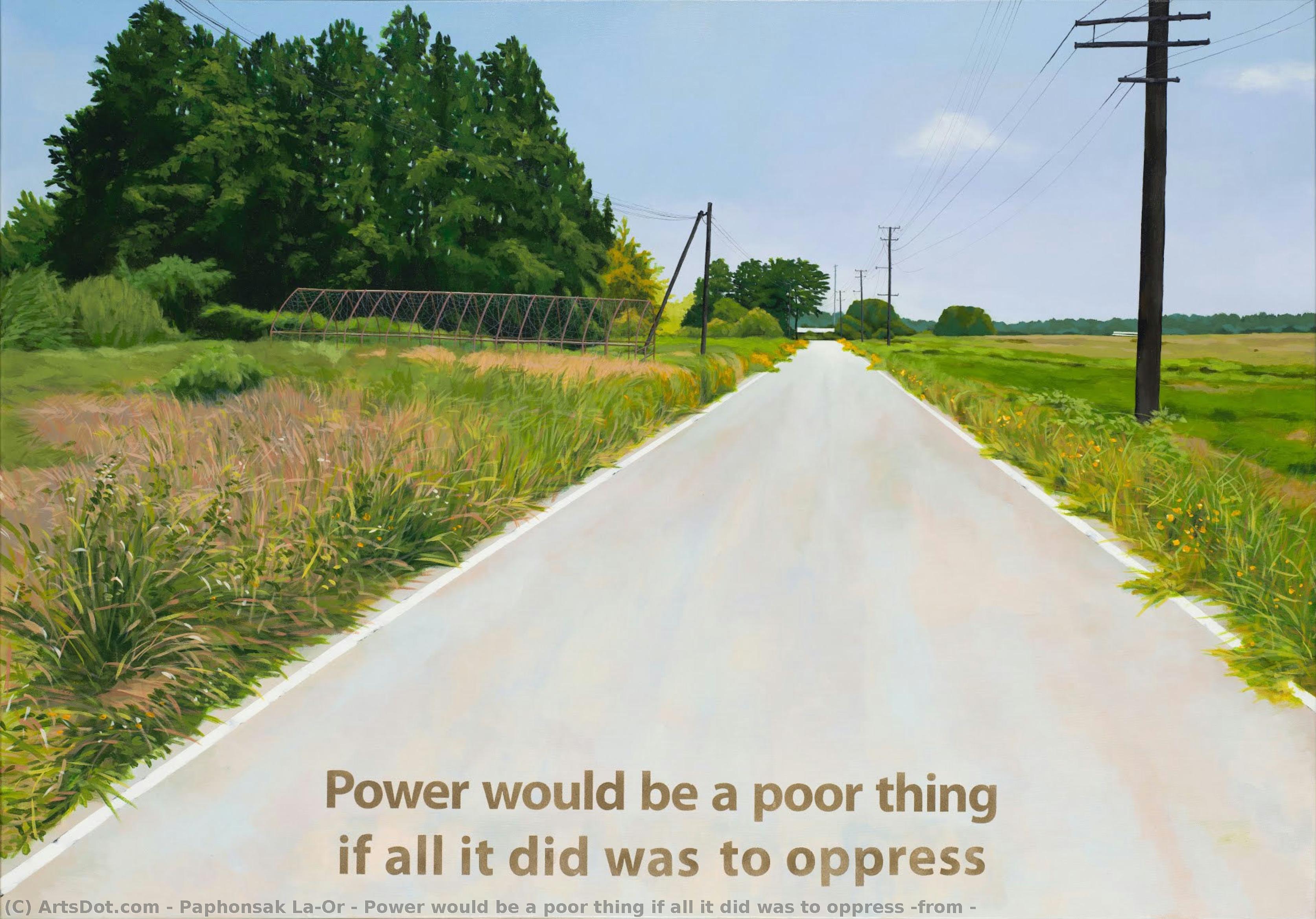
Power would be a poor thing if all it did was to oppress (from
 2015
2015 108.0 x 154.0 cm
 Queensland Art Gallery | Gallery of Modern Art
 Read More
Hand Made Oil Reproduction
Hand-painted oil on canvas in your size and frame, made to order by our artists. ( Buy Print Buy Image)




































Pick from our preset sizes that match the artwork's original proportions.

You may enter your own dimensions to fit a specific frame or space. If your selected size does not match the original image's proportions, we will either crop the artwork or extend the painting with additional hand-painted elements. A digital mockup will be sent for your approval before production begins.
Please note that the on-screen preview does not reflect the actual cropping or extension. Only the mockup will accurately show the final composition.
While custom sizes are available, we recommend selecting a dimension from the predefined list to preserve the original proportions.
After order, ArtsDot.com team will email client for instructions and provide a mockup preview
Worldwide Delivery () in 3/4 weeks instead of standard 5 weeks. (22 August). No compromise on quality.

Free Worldwide Express Shipping

High-Quality Linen Canvas

Full Shipping Insurance

Customs Tax Refund Guarantee

True Color Matching Guarantee

60-Day Return Policy (Defects Only)

100% Money-Back Guarantee

Bulk Discount Offer
 Glass option is only available in size under 110 CM

Power would be a poor thing if all it did was to oppress (from
Reproduction Medium
Reproduction Size
-


Total Price
$ 263
Artwork Description
Related Artworks








Artist Biography
The Silent Resonance of Paphonsak La-or
Emerging from the vibrant cultural landscape of Chiang Mai, Thailand, Paphonsak La-or has established himself as a profound voice in contemporary Southeast Asian art. Born in 1981, La-or does not merely paint landscapes; he constructs visual inquiries into the very fabric of history and politics. His work is characterized by a striking, hyper-realistic precision that serves a much deeper purpose than mere technical display. For La-or, realism is a deliberate instrument of social commentary, a way to force the viewer to confront the uncomfortable truths hidden beneath the surface of seemingly tranquil scenes. He seeks to challenge accepted historical narratives and provoke a deep, often unsettling reflection on the societal shifts occurring within his homeland and beyond.
The foundations of La-or’s aesthetic were laid during his early explorations of traditional Thai painting techniques. His initial fascination with batik and watercolor instilled in him a meticulous devotion to detail and a nuanced sensitivity to color palettes deeply rooted in Thai cultural heritage. This technical discipline was further refined through formal training at Chiang Mai University, where he mastered the rigors of drawing and painting. However, his true artistic evolution occurred as he moved beyond traditional representation toward a more conceptual approach, blending the beauty of the natural world with the grit of political reality.
Symbolism in Dust and Detail
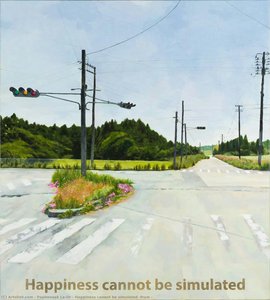
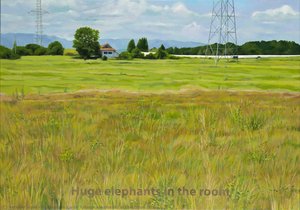
What distinguishes La-or from his contemporaries is his ability to infuse the physical medium of his work with heavy symbolic weight. His compositions often feature painstakingly rendered landscapes—scenes that may appear lush or idyllic at a distance, only to reveal a sense of desolation or subtle unease upon closer inspection. A hallmark of his technique is the use of dust-painted text layered across his canvases. This choice is far from decorative; the dust acts as a powerful metaphor for erasure, decay, and the fragile nature of memory. Through this method, La-or embodies his core philosophical conviction: “Happiness cannot be simulated.” He strives to capture the raw essence of experience, presenting images that demand not just sight, but contemplation and questioning.
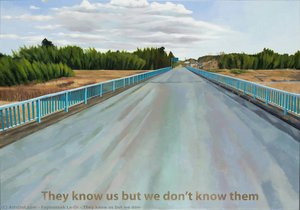
This tension between the visible and the hidden is a recurring theme in his most celebrated works. In pieces such as They know us but we don't, he utilizes the imagery of modern infrastructure—bridges, highways, and moving vehicles—to mask an underlying sense of surveillance and unrest. The rhythmic flow of daily life is presented with such sharp clarity that it becomes haunting, suggesting that beneath the mundane movements of society, there are profound truths being obscured or suppressed.
Global Echoes and Historical Significance
La-or’s artistic reach extends far beyond the borders of Thailand, most notably through his poignant ‘Silent No More’ series. This body of work explores the devastating aftermath of the 2011 Fukushima nuclear disaster in Japan. By obsessively studying abandoned landscapes around Fukushima and Futaba via Google Maps, La-or found a haunting parallel between the quiet, uninhabitable zones of Japan and the political frustrations he witnessed in his own hometown of Chiang Mai. These works depict empty, ghostly terrains that mirror the profound silence left in the wake of tragedy, using the starkness of the landscape to confront the viewer with the consequences of human error and environmental catastrophe.
His contributions to the international art dialogue have been recognized by prestigious institutions and exhibitions alike. His inclusion in the Singapore Biennial and his work featured by the Queensland Art Gallery & Gallery of Modern Art (QAGOMA) have cemented his reputation as a significant figure in the contemporary art scene. Through his unique ability to marry technical mastery with conceptual depth, Paphonsak La-or continues to push the boundaries of realism, ensuring that the voices of the past and the warnings of the present are never truly silenced.
paphonsak la-or
1981 - , Thailand
Quick Facts
- Artistic Movement Or Style: Realism
- Date Of Birth: Living
- Full Name: Paphonsak La-or
- Nationality: Thai
- Notable Artworks: ['Silent No More']
- Place Of Birth: Chiang Mai, Thailand