

 Preview
 Send
Send Share
Share
 Details

 Download
 Similars
 X-Ray
X-Ray Diaporama
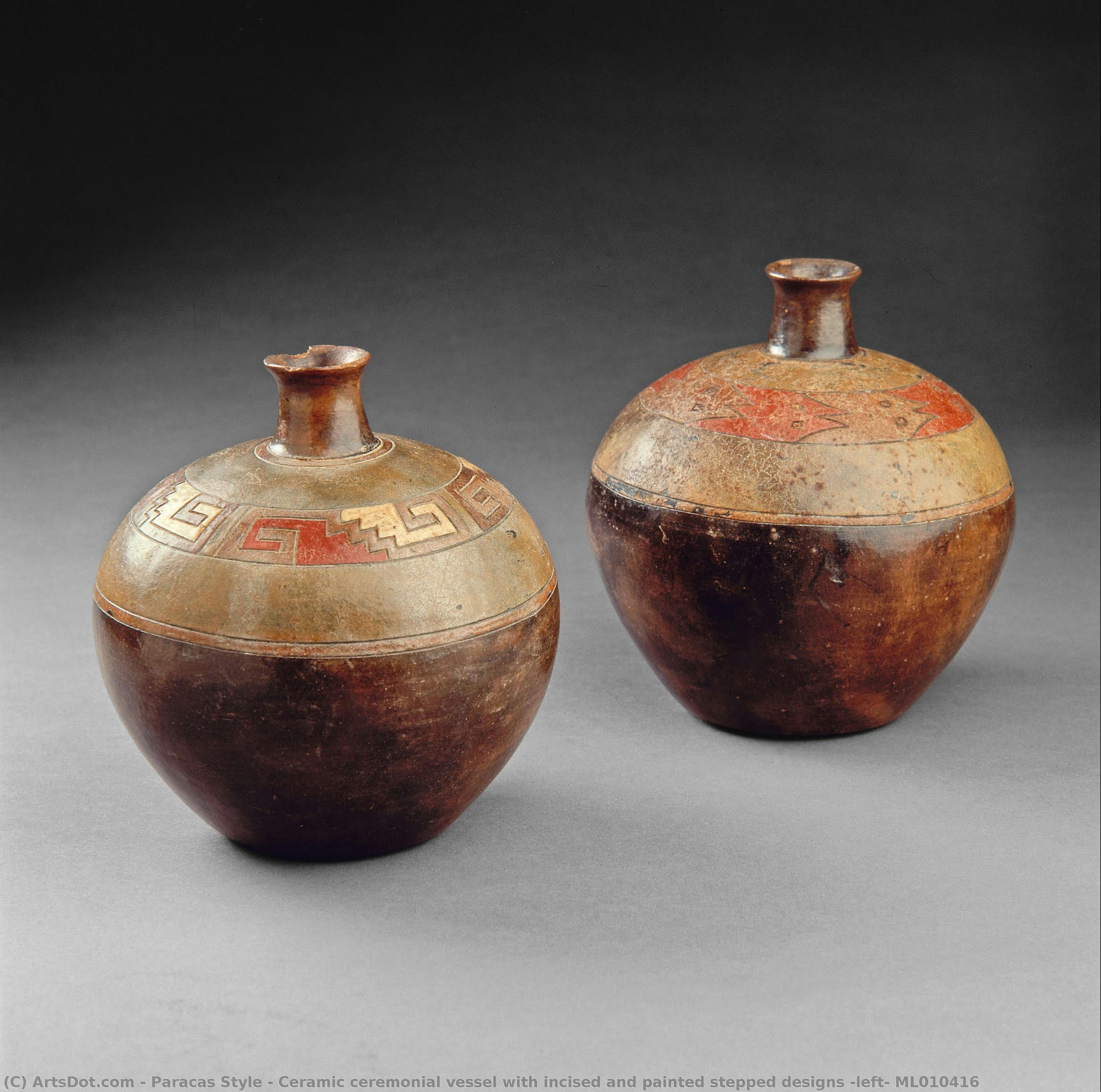
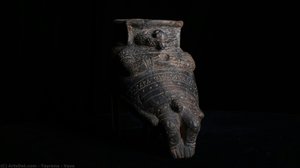
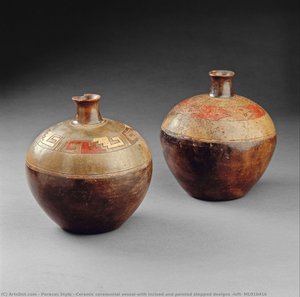
Ceramic ceremonial vessel with incised and painted stepped designs (left) ML010416
 Paracas Style
 1250
1250 16.0 x 15.0 cm
 Museo Larco
 Read More
Purchase a high-resolution, enhanced digital image, far superior to the online preview.
Each file is meticulously prepared by our in-house specialists using advanced tools and expert manual retouching. We ensure every image has exceptional clarity, precise color accuracy, and fine detail.
The final file is delivered via email within 72 hours, optimized for immediate use in professional, editorial, and print environments. This is the same quality trusted by top-tier design studios, publishers, and galleries.
Digital Image
Download a high-resolution file for personal display, printing, and creative projects. ( Buy Print Buy Hand Made Painting)
Included in Every Digital Image Order
Expert Digital Delivery, Guaranteed
When you choose ArtsDot.com, you're not just getting an image - you're receiving a professionally enhanced digital artwork, crafted with precision and backed by a satisfaction guarantee. Here's everything that comes with your order, automatically:

Fast Email Delivery
Your high-resolution digital image file will be emailed to you within 72 hours of ordering - ready for immediate use.

AI-Enhanced Digital File
Your artwork is professionally optimized using advanced AI tools and manual editing, ensuring maximum detail, clarity, and color accuracy.

Free Lifetime Re-Delivery
Accidentally deleted or lost your file? No worries - we'll resend it to you anytime, free of charge.

No Import Fees - Ever
Enjoy your artwork instantly with zero customs, duties, or delivery fees - digital downloads are always tax-free.

Color Accuracy Guarantee
We ensure your digital image reflects the original colors as closely as possible using professional tools and color management.

60-Day Satisfaction Guarantee
If you're not satisfied with your digital image, we'll revise it or refund 100% within 60 days - no questions asked.

100% Money-Back Guarantee
Not satisfied? Get a full refund within 60 days of receiving your digital file - no questions asked.

Bulk Order Discounts
Buy 3 images, save 10% - Buy 5, save 15% - Buy 10+, save 20%. Great for creative projects, galleries, and agencies.
Collectible Description
Related Artworks
Artist Biography
The Enigmatic World of the Paracas Style
Long before the rise of the Inca, along the arid coast of Peru, flourished a civilization known as the Paracas culture (approximately 800 BCE – 100 BCE). While much remains shrouded in mystery—their name itself derives from the local Quechua term for “sand,” reflecting their association with the desert landscape—the legacy of the Paracas people endures through their breathtaking artistry, particularly their textiles and ceramics. They weren’t a unified empire but rather a collection of communities sharing remarkably consistent artistic traditions, leaving behind a visual language that speaks volumes about their beliefs, rituals, and mastery of craft.
A Culture Defined by Burial Rituals
Our understanding of the Paracas is inextricably linked to their elaborate burial practices. The discovery of numerous necropolises—vast cemeteries containing hundreds of mummified individuals wrapped in layers of exquisitely crafted textiles—provided archaeologists with an unprecedented glimpse into this ancient society. These weren’t simple interments; they were carefully orchestrated events, reflecting a profound reverence for the deceased and a complex cosmology. The Paracas Cavernas, shaft tombs dug into the hillsides, reveal that these burial sites were reused over centuries, suggesting evolving beliefs surrounding ancestor veneration. The sheer quantity of textiles found within these tombs—some containing hundreds of individual pieces—highlights their importance in Paracas life, likely serving not only as shrouds but also as symbols of status and spiritual protection.
The Art of Weaving: Linear and Block Styles
Paracas textiles are renowned for their vibrant colors, intricate designs, and exceptional preservation. The arid climate of the Peruvian coast allowed these delicate works to survive remarkably intact, offering a window into the artistic sensibilities of this ancient culture. Two distinct styles have been identified: the Linear Style and the Block Color Style. The Linear Style, appearing earlier (around 800-300 BCE), is characterized by complex, flowing designs created using fine lines to depict mythical creatures, human figures, and geometric patterns. These images often portray scenes of ritual activity, including shamanic journeys and sacrifices. The later Block Color Style (approximately 300 BCE – 100 CE) features bolder, more simplified forms rendered in large blocks of color. While less detailed than the Linear Style, it is equally striking for its dynamic compositions and symbolic power. Both styles demonstrate an extraordinary level of technical skill, employing complex weaving techniques to create intricate patterns and vibrant hues derived from natural dyes.
Ceramics as a Canvas for Belief
While textiles are arguably their most famous achievement, the Paracas were also skilled ceramicists. Their pottery, often painted after firing with mineral pigments, showcases similar motifs and stylistic elements found in their weavings. Vessels frequently depict anthropomorphic figures—often with feline features—engaged in ritualistic activities or representing deities. The Feline-shaped spout-and-bridge bottle, for example, exemplifies the Paracas artists’ ingenuity and ability to imbue everyday objects with symbolic meaning. These ceramics weren't merely functional; they were likely used in ceremonies and offerings, serving as vessels for communicating with the spirit world. The use of vibrant colors—a departure from the darker hues prevalent in other Andean cultures of the time—further emphasizes their unique artistic vision.
Legacy and Historical Significance
The Paracas culture eventually gave way to the Nazca civilization, but their artistic influence continued to resonate throughout the region. The motifs and techniques developed by the Paracas were adopted and adapted by subsequent cultures, shaping the aesthetic landscape of ancient Peru. Their mastery of textile art—a skill that required immense knowledge of materials, dyes, and weaving techniques—stands as a testament to their ingenuity and cultural sophistication. Today, Paracas textiles are celebrated as masterpieces of pre-Columbian art, offering invaluable insights into the beliefs, rituals, and artistic traditions of a civilization lost to time. The Paracas Candelabra, a massive geoglyph etched into the desert landscape, serves as a lasting symbol of their presence—a silent guardian overlooking the sands that hold the secrets of this enigmatic culture.
Quick Facts
- Artistic Movement Or Style: Ancient Peruvian textiles
- Full Name: Paracas Style
- Nationality: Peru
- Notable Artworks:
- Feline-shaped spout bottle
- Candelabra of the Andes
- Ceremonial vessel with designs

