

 Preview
 Send
Send Share
Share
 Details

 Download
 Similars
 X-Ray
X-Ray Diaporama
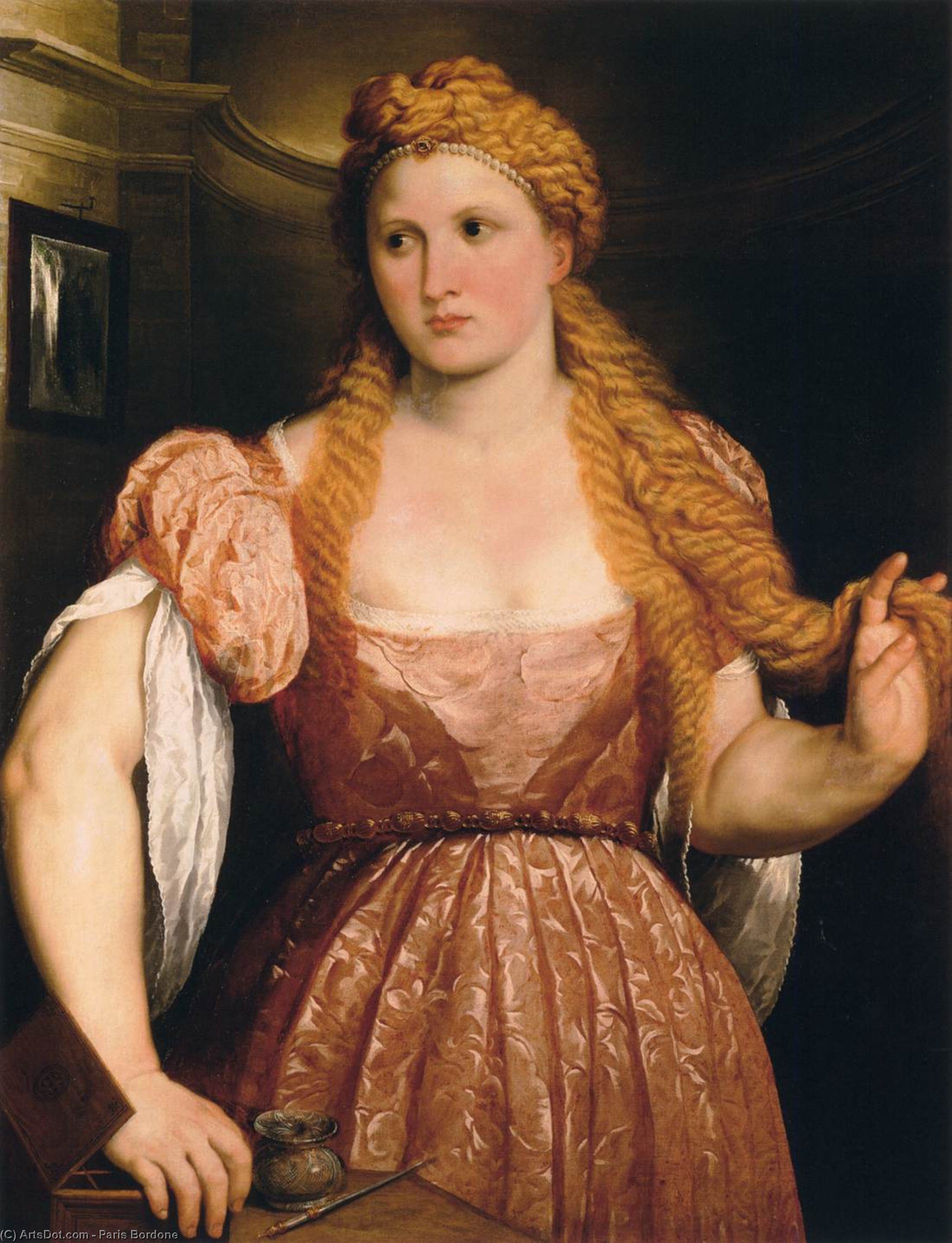
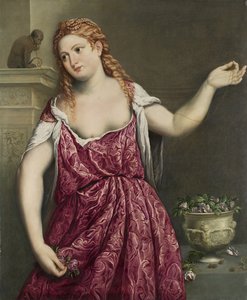
Young Woman at Her Toilet
 Oil On Canvas
- WallArt
- Mannerism
 1550
1550- Renaissance
 102.0 x 81.0 cm
 Kunsthistorisches Museum
 Read More
Purchase a high-resolution, enhanced digital image, far superior to the online preview.
Each file is meticulously prepared by our in-house specialists using advanced tools and expert manual retouching. We ensure every image has exceptional clarity, precise color accuracy, and fine detail.
The final file is delivered via email within 72 hours, optimized for immediate use in professional, editorial, and print environments. This is the same quality trusted by top-tier design studios, publishers, and galleries.
Digital Image
Download a high-resolution file for personal display, printing, and creative projects. ( Buy Print Buy Hand Made Painting)
Included in Every Digital Image Order
Expert Digital Delivery, Guaranteed
When you choose ArtsDot.com, you're not just getting an image - you're receiving a professionally enhanced digital artwork, crafted with precision and backed by a satisfaction guarantee. Here's everything that comes with your order, automatically:

Fast Email Delivery
Your high-resolution digital image file will be emailed to you within 72 hours of ordering - ready for immediate use.

AI-Enhanced Digital File
Your artwork is professionally optimized using advanced AI tools and manual editing, ensuring maximum detail, clarity, and color accuracy.

Free Lifetime Re-Delivery
Accidentally deleted or lost your file? No worries - we'll resend it to you anytime, free of charge.

No Import Fees - Ever
Enjoy your artwork instantly with zero customs, duties, or delivery fees - digital downloads are always tax-free.

Color Accuracy Guarantee
We ensure your digital image reflects the original colors as closely as possible using professional tools and color management.

60-Day Satisfaction Guarantee
If you're not satisfied with your digital image, we'll revise it or refund 100% within 60 days - no questions asked.

100% Money-Back Guarantee
Not satisfied? Get a full refund within 60 days of receiving your digital file - no questions asked.

Bulk Order Discounts
Buy 3 images, save 10% - Buy 5, save 15% - Buy 10+, save 20%. Great for creative projects, galleries, and agencies.
Collectible Description
A Vision of Venetian Elegance
In the soft, luminous atmosphere of the mid-16th century, Paris Bordone captured a moment of profound intimacy and quiet contemplation in his masterpiece, Young Woman at Her Toilet. Painted around 1550, this work serves as a breathtaking window into the world of Venetian Mannerism, where the boundaries between physical beauty and psychological depth begin to blur. The portrait presents a young woman seated before her mirror, her long blonde hair cascading with grace, draped in a luxurious pink dress that seems to glow from within. As she attends to her personal toilette, her gaze drifts away from her immediate surroundings, directed toward an unseen horizon. This subtle detachment invites the viewer to wonder whether she is lost in a fleeting reflection or contemplating a distant, perhaps melanchative, thought.
The composition is a masterclass in structural stability and visual allure. Bordone employs a pyramidal arrangement, a technique that anchors the subject within the frame, lending her an air of monumental grandeur despite the intimate nature of the scene. This sense of permanence is beautifully contrasted by the delicate, fleeting textures of the era's fashion. The artist’s mastery of oil on canvas allows for an extraordinary level of detail; one can almost feel the weight and sheen of the silken fabrics and the meticulous rendering of light as it dances across the woman's skin. In the periphery, the presence of other figures and a small cup placed near the bottom center adds layers of narrative complexity, suggesting a larger, bustling world that exists just beyond this private moment of reflection.
The Soul of Mannerism and Symbolism
To understand this painting is to understand the tension of the Mannerist movement. Moving away from the perfect, harmonious balance of the High Renaissance, Bordone embraced a style characterized by expressive distortions and an unsettling blend of beauty and melancholy. This era was marked by a fascination with the complex and the ambiguous. The mirror in the painting is far more than a mere vanity; it serves as a potent symbol of introspection and self-awareness. It reflects not just the physical form, but the internal state of the subject, acting as a threshold between the tangible world and the realm of thought.
For the discerning collector or interior designer, this artwork offers more than mere decoration; it provides an emotional anchor for a space. The painting’s palette—dominated by soft, warm tones and the striking pink of the gown—brings a sense of sophisticated warmth to any room. It evokes a period of intense humanism, where the exploration of the individual psyche was as important as the depiction of outward splendor. Whether placed in a sun-drenched gallery or a quiet study, Young Woman at Her Toilet continues to resonate with its timeless ability to evoke both the opulence of the Venetian Renaissance and the universal, haunting beauty of human introspection.
Related Artworks



Artist Biography
The Venetian Maverick: The Life and Legacy of Paris Bordone
In the vibrant, sun-drenched landscape of the sixteenth-century Venetian Renaissance, few figures possess a spirit as fiercely independent as Paris Bordone. Born in Treviso around 1500, Bordone emerged from the shadow of the great masters to carve out a reputation defined by a unique tension between classical grace and a restless, Mannerist energy. While his contemporaries often sought the polished perfection of the High Renaissance, Bordone embraced a more complex, sometimes provocative aesthetic that blended the monumental scale of his era with a distinctively provincial vitality. His journey was one of constant negotiation between the established traditions of Venice and an unyielding desire to forge a personal visual language.
The foundation of Bordone’s technical prowess was laid during his formative years in Venice, most notably through his apprenticeship under the legendary Titian. This period was undoubtedly the crucible of his talent, exposing him to the rich textures, dramatic lighting, and atmospheric depth that define the Venetian school. However, the relationship between master and pupil was famously fraught with creative friction. Historical accounts, including those by Vasari, suggest a certain discordance between Bordone’s experimental impulses and Titian’s more refined aesthetic. Rather than being stifled by this tension, Bordone utilized it as a catalyst for growth, developing a style that moved away from pure imitation toward a more intricate and sometimes agitated compositional approach.
A Tapestry of Myth, Devotion, and Portraiture
Bordone’s prolific career is characterized by an extraordinary breadth of subject matter, ranging from the sacred to the profane. His ability to navigate religious iconography with the same vigor as mythological narratives allowed him to capture the diverse interests of the Venetian elite. In his religious works, such as the Pentecost housed in the Hermitage Museum, one observes a masterful command of sfumato and warm, emotive tones that invite deep spiritual contemplation. Yet, even within these devotional settings, a sense of Mannerist complexity often emerges through swirling drapery and crowded, dynamic arrangements.
When turning his gaze toward the secular, Bordone achieved a level of narrative drama that remains captivating to modern viewers. His mythological paintings, such as Allegory with Lovers, showcase his talent for using vibrant colors and symbolic depth to weave complex tales of passion and fate. This mastery extended into the realm of portraiture, where he captured the dignity and social standing of his subjects with remarkable precision. A notable example is his 1540 Portrait of Thomas Stachel, currently residing in the Louvre; here, the artist utilizes an intricate composition to highlight the sitter's status, using the fine details of robes and heraldic letters to ground the subject in a tangible historical reality.
Historical Significance and Artistic Endurance
The enduring significance of Paris Bordone lies in his refusal to conform. He stands as a vital bridge between the balanced harmony of the early Renaissance and the more stylized, expressive complexities of the Mannerist period. While he may not have reached the universal heights of Titian, his work offers a necessary counterpoint—a more textured, experimental, and often more humanistic perspective on the Venetian world. His paintings serve as windows into a time of profound transition, where the stability of tradition was being challenged by a new, more restless artistic consciousness.
Today, Bordone’s legacy is preserved in some of the world's most prestigious institutions, inviting scholars and art lovers alike to rediscover his unique vision. His contributions can be summarized through several key artistic pillars:
- Stylistic Innovation: The successful integration of Titian-inspired grandeur with a more complex, Mannerist compositional structure.
- Versatility of Theme: An unparalleled ability to move seamlessly between the serene beauty of the Madonna with Sleeping Child and the dramatic intensity of historical allegories.
- Technical Mastery: A sophisticated use of light, color, and texture that brought a palpable sense of life and movement to the canvas.
- Cultural Impact: Representing the vibrant, often turbulent spirit of Treviso and Venice during one of the most transformative eras in Western art history.
Paris Bordone
1500 - 1570 , Italy
Quick Facts
- Artistic Movement Or Style: Mannerist
- Artists Who Influenced This Artist: Titian
- Date Of Birth: July 5, 1500
- Date Of Death: January 19, 1571
- Full Name: Paris Bordone
- Nationality: Italian
- Notable Artworks:
- Fisherman's Ring
- Pentecost
- Jupiter & Io
- Baptism of Christ
- Place Of Birth: Treviso, Italy

