 Preview
 Send
Send Share
Share
 Details

 Download
 Similars
 X-Ray
X-Ray Diaporama
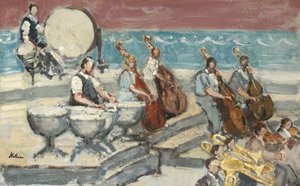
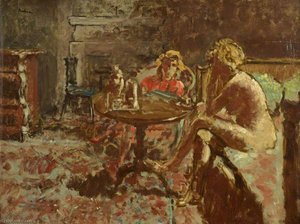
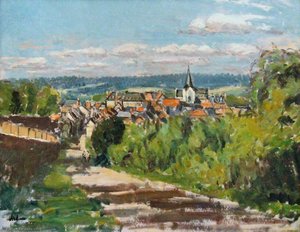
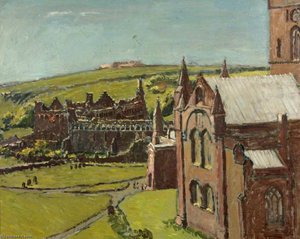
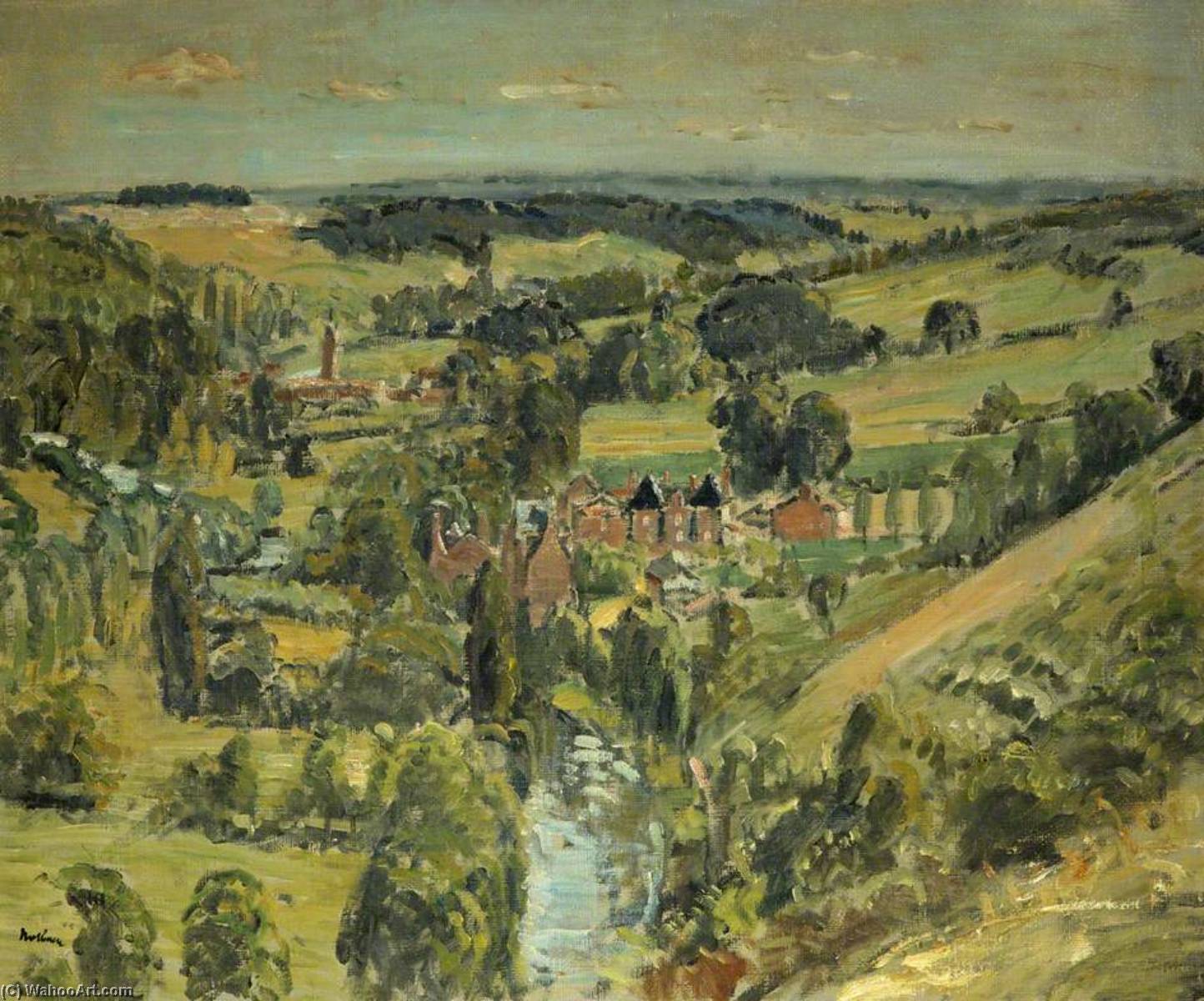
Le Cirque de Musée, Poitou
 63.0 x 75.0 cm
 Royal West of England Academy
 Read More
Giclée / Art Print
Museum-quality giclée or canvas print with fast production and flexible finish options. ( Buy Hand Made Painting Buy Image)




































Pick from our preset sizes that match the artwork's original proportions.

You may enter your own dimensions to fit a specific frame or space. If your selected size does not match the original image's proportions, we will either crop the artwork or extend the image with a mirrored or solid-fill edge. A digital mockup will be sent for your approval before production begins.
Please note that the on-screen preview does not reflect the actual cropping or extension. Only the mockup will accurately show the final composition.
While custom sizes are available, we recommend selecting a dimension from the predefined list to preserve the original proportions.
Worldwide Delivery () in 2 weeks instead of standard 4/5 weeks. (21 August)

Free Worldwide Express Shipping

High-Quality Linen Canvas

Full Shipping Insurance

Customs Tax Refund Guarantee

True Color Matching Guarantee

60-Day Return Policy (Defects Only)

100% Money-Back Guarantee

Bulk Discount Offer
 Glass option is only available in size under 110 CM

Le Cirque de Musée, Poitou
Giclée / Art Print
Reproduction Size
-


Total Price
$ 63
Related Artworks









Artist Biography
A Life Bridging Science and Art: The World of Paul Ayshford Methuen
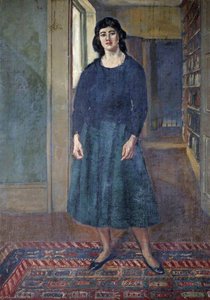
Paul Ayshford Methuen, the 4th Baron Methuen, was a figure whose life beautifully exemplified the harmonious coexistence of seemingly disparate passions. Born in 1886 at Corsham Court, Wiltshire, into a family steeped in military tradition – his father being Field Marshal Paul Sanford Methuen – young Paul’s path wasn't solely predetermined by lineage. While he received an education befitting his station, attending Eton College and later New College, Oxford, where he studied zoology and engineering, it was a burgeoning curiosity for the natural world and artistic expression that truly defined him. This early inclination towards both scientific inquiry and aesthetic appreciation would become the hallmark of his remarkable life. His initial academic pursuits led him to South Africa in 1910, where he spent four years immersed in research at the Transvaal Museum in Pretoria. There, alongside John Hewitt, he made significant contributions to herpetology, meticulously collecting and describing numerous southern African and Madagascan genera and species. Despite being offered a prestigious chair in zoology at a South African university, Methuen ultimately chose to return to his ancestral home, Corsham Court, demonstrating a deep-seated commitment to preserving his family’s legacy and the estate itself. This decision wasn't a rejection of science, but rather a prioritization of roots and a foreshadowing of his multifaceted future.From Zoological Observation to Artistic Vision
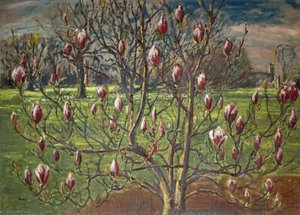
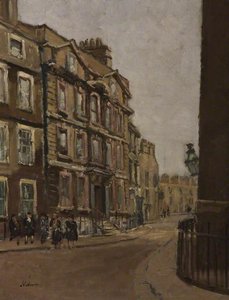
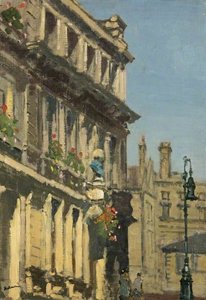
The outbreak of World War I saw Methuen serving with both the Royal Wiltshire Yeomanry and the Scots Guards, experiences that undoubtedly shaped his perspective. However, it was in 1927 that a pivotal shift occurred, one that would solidify his identity as an artist. He began attending art classes led by the renowned Walter Sickert, a master of capturing everyday life with unflinching realism and atmospheric nuance. Sickert’s influence proved profound, encouraging Methuen to embrace a more impressionistic style characterized by bold color choices and a focus on light and atmosphere. This mentorship unlocked a latent artistic talent, transforming his keen observational skills – honed through years of scientific study – into a powerful means of visual expression. Methuen's subjects quickly revealed themselves: urban landscapes, the serene beauty of outdoor scenes, and the delicate details of the natural world surrounding Corsham Court—magnolias, orchids, and the estate’s lush gardens became recurring motifs in his work. He wasn’t merely *depicting* these subjects; he was imbuing them with a sense of atmosphere and emotional resonance, reflecting both his scientific understanding and artistic sensibility.Recognition and Stewardship: A Legacy Forged Through Dedication
By 1928, Methuen had established himself as a serious artist, holding his first one-man show at the Warren Gallery. This marked the beginning of a sustained period of exhibition activity, with regular showings at prestigious venues like the Leicester Galleries, Colnaghi’s, and the Royal Academy. His talent and dedication were formally recognized in 1951 when he was elected an Associate of the Royal Academy, followed by his elevation to full Royal Academician status in 1959. Beyond his artistic achievements, Methuen demonstrated a remarkable commitment to cultural preservation. He served as president of the Royal West of England Academy from 1939 to 1971, championing regional artists and fostering a vibrant artistic community. He also held positions as a trustee of both the National Gallery and the Tate Gallery, demonstrating his dedication to safeguarding national treasures. During World War II, he played a crucial role in protecting artworks as part of the Procurement and Fine Art branch, documenting his experiences in *Normandy Diary*. Perhaps most significantly, Methuen dedicated himself to restoring Corsham Court and its extensive art collection, meticulously preserving a vital piece of British heritage. He even generously offered Corsham Court to the Bath Academy of Art, providing a haven for artistic education until 1972.A Lasting Impression: The Enduring Significance of Paul Ayshford Methuen
Paul Ayshford Methuen passed away in Bath in 1974, leaving behind a rich and diverse body of work that continues to captivate audiences today. His paintings are not simply representations of landscapes or cityscapes; they are imbued with a sense of place, atmosphere, and emotional depth. His unique background – the blend of scientific precision and artistic vision – allowed him to approach his subjects with both analytical rigor and poetic sensitivity. The legacy extends beyond his canvases. A species of South African lizard, *Lygodactylus methueni*, stands as a testament to his early zoological contributions. More broadly, Methuen’s life serves as an inspiring example of how diverse passions can converge to create a truly meaningful existence. He was a man who seamlessly navigated the worlds of science and art, aristocracy and public service, preservation and innovation—a true Renaissance figure whose impact continues to resonate within the artistic and cultural landscape of Britain. His work remains a compelling reminder that observation, dedication, and a deep appreciation for beauty are essential ingredients in both scientific discovery and artistic creation.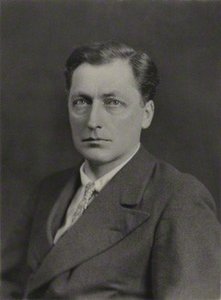
Paul Ayshford Methuen
1886 - 1974 , United Kingdom
Quick Facts
- Artistic Movement Or Style: Impressionism
- Artists Who Influenced This Artist:
- Walter Sickert
- Charles Holmes
- Date Of Birth: September 29, 1886
- Date Of Death: January 7, 1974
- Full Name: Paul Ayshford Methuen
- Nationality: British
- Notable Artworks:
- Helford River, Cornwall
- St Paul's Cathedral, London
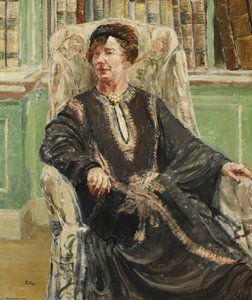
- Dame Freya Stark portrait
- Place Of Birth: Corsham, United Kingdom