

 Preview
 Send
Send Share
Share
 Details

 Download
 Similars
 X-Ray
X-Ray Diaporama
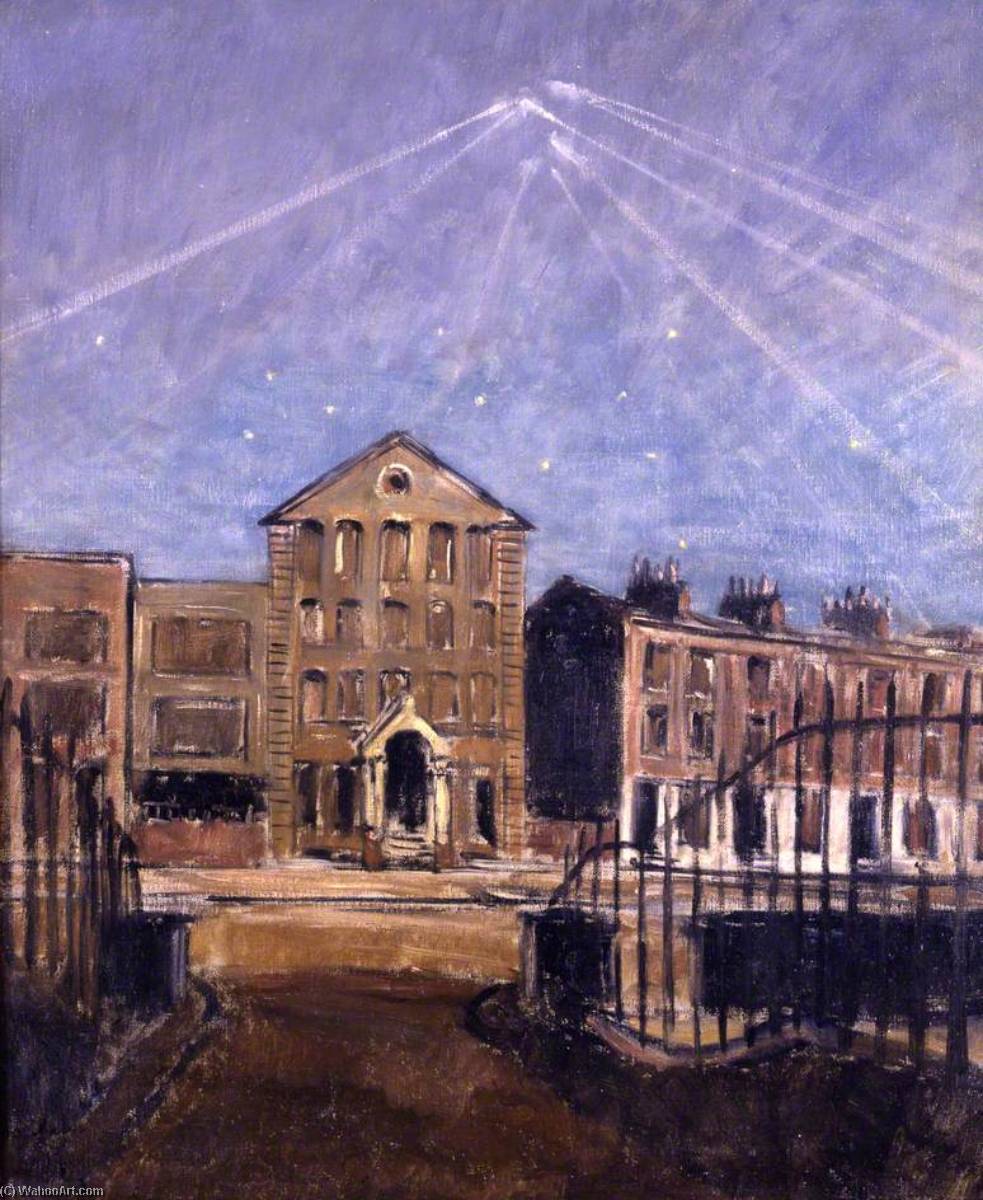
London by Midnight, Primrose Hill
 Oil On Canvas
- WallArt
- Romanticism
 1940
1940 61.0 x 52.0 cm
 British Council Collection
 Read More
Purchase a high-resolution, enhanced digital image, far superior to the online preview.
Each file is meticulously prepared by our in-house specialists using advanced tools and expert manual retouching. We ensure every image has exceptional clarity, precise color accuracy, and fine detail.
The final file is delivered via email within 72 hours, optimized for immediate use in professional, editorial, and print environments. This is the same quality trusted by top-tier design studios, publishers, and galleries.
Digital Image
Download a high-resolution file for personal display, printing, and creative projects. ( Buy Print Buy Hand Made Painting)
Included in Every Digital Image Order
Expert Digital Delivery, Guaranteed
When you choose ArtsDot.com, you're not just getting an image - you're receiving a professionally enhanced digital artwork, crafted with precision and backed by a satisfaction guarantee. Here's everything that comes with your order, automatically:

Fast Email Delivery
Your high-resolution digital image file will be emailed to you within 72 hours of ordering - ready for immediate use.

AI-Enhanced Digital File
Your artwork is professionally optimized using advanced AI tools and manual editing, ensuring maximum detail, clarity, and color accuracy.

Free Lifetime Re-Delivery
Accidentally deleted or lost your file? No worries - we'll resend it to you anytime, free of charge.

No Import Fees - Ever
Enjoy your artwork instantly with zero customs, duties, or delivery fees - digital downloads are always tax-free.

Color Accuracy Guarantee
We ensure your digital image reflects the original colors as closely as possible using professional tools and color management.

60-Day Satisfaction Guarantee
If you're not satisfied with your digital image, we'll revise it or refund 100% within 60 days - no questions asked.

100% Money-Back Guarantee
Not satisfied? Get a full refund within 60 days of receiving your digital file - no questions asked.

Bulk Order Discounts
Buy 3 images, save 10% - Buy 5, save 15% - Buy 10+, save 20%. Great for creative projects, galleries, and agencies.
Collectible Description
A Nocturne in Prussian Blue: Paul Ayshford Methuen’s “London by Midnight”
Paul Ayshford Methuen's "London by Midnight," painted in 1940, isn’t merely a depiction of a city at night; it’s a carefully constructed mood piece, a melancholic meditation on urban solitude and the lingering shadows of history. The painting captures a quintessential London scene – Primrose Hill, rising dramatically from the cityscape – bathed in the cool, almost ethereal light of a star-strewn sky. Methuen, a man deeply rooted in both scientific observation (he was a zoologist) and artistic expression, masterfully blends realism with an atmospheric sensibility that transcends simple representation.
The composition is dominated by the imposing silhouette of a church or substantial building in the foreground, its dark form anchoring the scene. This structure isn’t explicitly identified, lending it an air of timelessness, suggesting it has witnessed countless London nights and perhaps even held secrets within its walls. The buildings receding into the distance are rendered with a subtle impressionistic touch – not sharply defined but rather suggested through washes of color and atmospheric perspective. The artist skillfully uses Prussian blue as his dominant hue, creating a sense of depth and coolness that permeates the entire canvas. This deliberate choice contributes significantly to the painting’s overall mood—a quiet introspection punctuated by the distant glimmer of streetlights.
Technique and Materials: A Delicate Balance
Methuen's technique is characterized by a remarkable control over color and texture. He employs a layering approach, building up thin washes of paint to create luminous effects and subtle gradations in tone. The sky itself isn’t a uniform blue; it’s a complex tapestry of shades – from the deepest indigo near the horizon to lighter, almost silvery tones higher above. The artist's use of glazing—applying translucent layers of color over dried underlayers—allows the light to penetrate and reflect, giving the painting an incredible sense of depth and atmosphere. The brushwork is generally smooth and blended, contributing to the overall feeling of serenity, yet there are moments where a slight textural variation emerges, hinting at the underlying structure of the buildings and the rough terrain of Primrose Hill.
The canvas itself appears to be primed with a fine grit, which contributes to the subtle sheen observed in the painting. Methuen’s choice of materials—particularly his use of Prussian blue pigment—demonstrates a deep understanding of color theory and its ability to evoke specific emotions. The careful attention to detail, combined with the artist's intuitive grasp of light and atmosphere, results in a remarkably convincing and emotionally resonant portrayal of London at night.
Symbolism and Context: Echoes of Victorian London
"London by Midnight" resonates deeply within the context of 1940 Britain – a nation grappling with the anxieties of wartime. The painting’s quiet solitude, its focus on urban isolation, can be interpreted as a reflection of the collective mood during those turbulent times. Primrose Hill itself holds historical significance; it was once a popular spot for leisure and social gatherings, but by night, it offered a space for contemplation and escape from the pressures of daily life.
The church or building in the foreground evokes images of Victorian London—a time of rapid industrialization, social change, and profound spiritual questioning. The painting subtly suggests that even amidst the bustle of modern urban life, there remains a connection to the past, to tradition, and perhaps even to something beyond our immediate understanding. The stars above offer a sense of timelessness and perspective, reminding us of the vastness of the universe and our own small place within it.
Emotional Impact: A Moment of Quiet Reflection
Ultimately, “London by Midnight” is a painting that invites contemplation. It’s not a dramatic or overtly exciting scene; rather, it offers a moment of quiet reflection—a chance to pause and consider the beauty and complexity of the city, as well as our own place within its grand narrative. The cool colors, the atmospheric perspective, and the subtle details all combine to create an emotionally evocative experience that lingers long after the viewer has turned away. It’s a painting that speaks to the enduring appeal of urban landscapes and the power of art to capture the essence of a particular time and place.
Related Artworks
Artist Biography
A Life Bridging Science and Art: The World of Paul Ayshford Methuen
Paul Ayshford Methuen, the 4th Baron Methuen, was a figure whose life beautifully exemplified the harmonious coexistence of seemingly disparate passions. Born in 1886 at Corsham Court, Wiltshire, into a family steeped in military tradition – his father being Field Marshal Paul Sanford Methuen – young Paul’s path wasn't solely predetermined by lineage. While he received an education befitting his station, attending Eton College and later New College, Oxford, where he studied zoology and engineering, it was a burgeoning curiosity for the natural world and artistic expression that truly defined him. This early inclination towards both scientific inquiry and aesthetic appreciation would become the hallmark of his remarkable life. His initial academic pursuits led him to South Africa in 1910, where he spent four years immersed in research at the Transvaal Museum in Pretoria. There, alongside John Hewitt, he made significant contributions to herpetology, meticulously collecting and describing numerous southern African and Madagascan genera and species. Despite being offered a prestigious chair in zoology at a South African university, Methuen ultimately chose to return to his ancestral home, Corsham Court, demonstrating a deep-seated commitment to preserving his family’s legacy and the estate itself. This decision wasn't a rejection of science, but rather a prioritization of roots and a foreshadowing of his multifaceted future.From Zoological Observation to Artistic Vision
The outbreak of World War I saw Methuen serving with both the Royal Wiltshire Yeomanry and the Scots Guards, experiences that undoubtedly shaped his perspective. However, it was in 1927 that a pivotal shift occurred, one that would solidify his identity as an artist. He began attending art classes led by the renowned Walter Sickert, a master of capturing everyday life with unflinching realism and atmospheric nuance. Sickert’s influence proved profound, encouraging Methuen to embrace a more impressionistic style characterized by bold color choices and a focus on light and atmosphere. This mentorship unlocked a latent artistic talent, transforming his keen observational skills – honed through years of scientific study – into a powerful means of visual expression. Methuen's subjects quickly revealed themselves: urban landscapes, the serene beauty of outdoor scenes, and the delicate details of the natural world surrounding Corsham Court—magnolias, orchids, and the estate’s lush gardens became recurring motifs in his work. He wasn’t merely *depicting* these subjects; he was imbuing them with a sense of atmosphere and emotional resonance, reflecting both his scientific understanding and artistic sensibility.Recognition and Stewardship: A Legacy Forged Through Dedication
By 1928, Methuen had established himself as a serious artist, holding his first one-man show at the Warren Gallery. This marked the beginning of a sustained period of exhibition activity, with regular showings at prestigious venues like the Leicester Galleries, Colnaghi’s, and the Royal Academy. His talent and dedication were formally recognized in 1951 when he was elected an Associate of the Royal Academy, followed by his elevation to full Royal Academician status in 1959. Beyond his artistic achievements, Methuen demonstrated a remarkable commitment to cultural preservation. He served as president of the Royal West of England Academy from 1939 to 1971, championing regional artists and fostering a vibrant artistic community. He also held positions as a trustee of both the National Gallery and the Tate Gallery, demonstrating his dedication to safeguarding national treasures. During World War II, he played a crucial role in protecting artworks as part of the Procurement and Fine Art branch, documenting his experiences in *Normandy Diary*. Perhaps most significantly, Methuen dedicated himself to restoring Corsham Court and its extensive art collection, meticulously preserving a vital piece of British heritage. He even generously offered Corsham Court to the Bath Academy of Art, providing a haven for artistic education until 1972.A Lasting Impression: The Enduring Significance of Paul Ayshford Methuen
Paul Ayshford Methuen passed away in Bath in 1974, leaving behind a rich and diverse body of work that continues to captivate audiences today. His paintings are not simply representations of landscapes or cityscapes; they are imbued with a sense of place, atmosphere, and emotional depth. His unique background – the blend of scientific precision and artistic vision – allowed him to approach his subjects with both analytical rigor and poetic sensitivity. The legacy extends beyond his canvases. A species of South African lizard, *Lygodactylus methueni*, stands as a testament to his early zoological contributions. More broadly, Methuen’s life serves as an inspiring example of how diverse passions can converge to create a truly meaningful existence. He was a man who seamlessly navigated the worlds of science and art, aristocracy and public service, preservation and innovation—a true Renaissance figure whose impact continues to resonate within the artistic and cultural landscape of Britain. His work remains a compelling reminder that observation, dedication, and a deep appreciation for beauty are essential ingredients in both scientific discovery and artistic creation.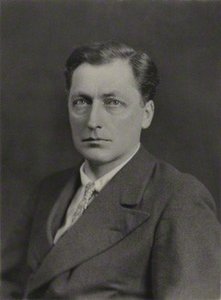
Paul Ayshford Methuen
1886 - 1974 , United Kingdom
Quick Facts
- Artistic Movement Or Style: Impressionism
- Artists Who Influenced This Artist:
- Walter Sickert
- Charles Holmes
- Date Of Birth: September 29, 1886
- Date Of Death: January 7, 1974
- Full Name: Paul Ayshford Methuen
- Nationality: British
- Notable Artworks:
- Helford River, Cornwall
- St Paul's Cathedral, London
- Dame Freya Stark portrait
- Place Of Birth: Corsham, United Kingdom

