

 Preview
 Send
Send Share
Share
 Details

 Download
 Similars
 X-Ray
X-Ray Diaporama
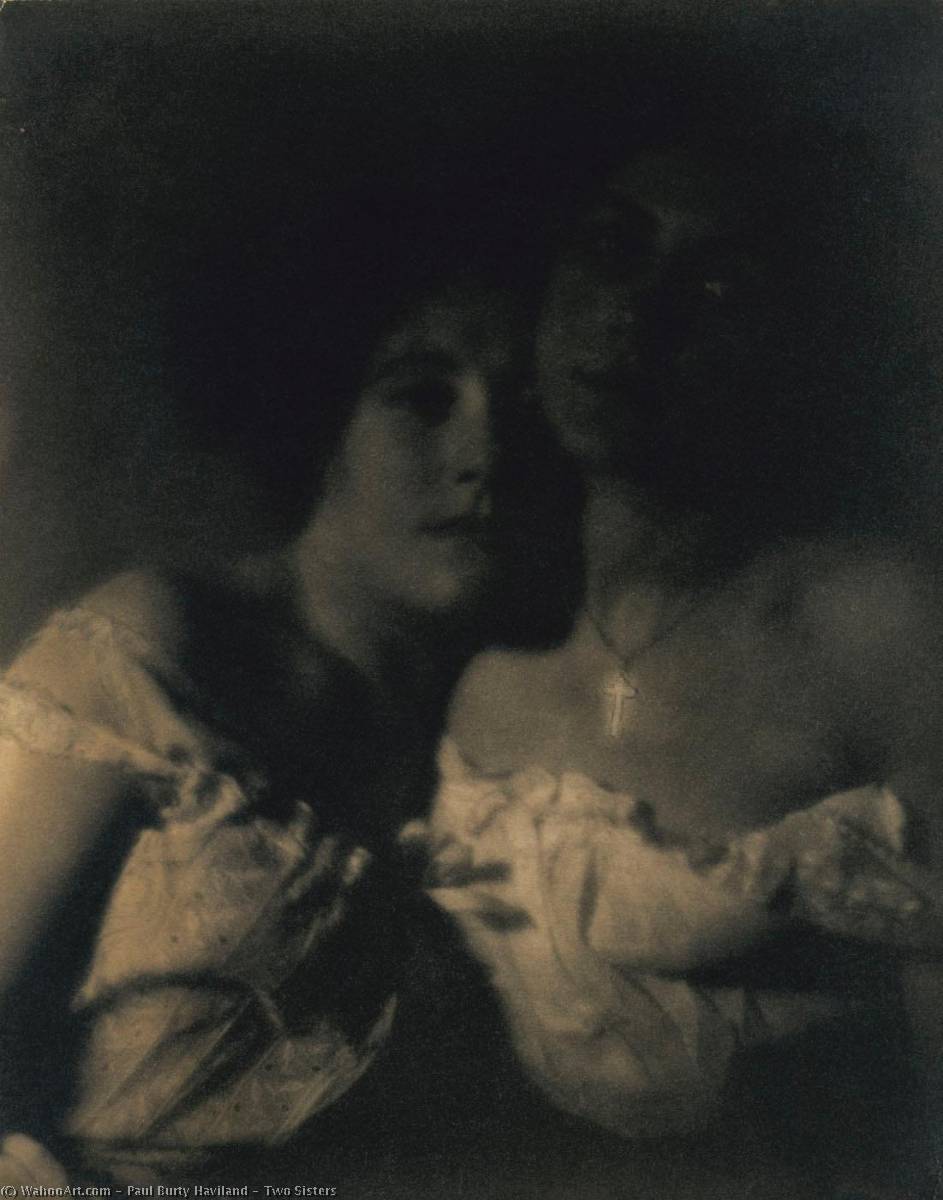
Two Sisters
 1908
1908 19.0 x 24.0 cm
 Read More
Purchase a high-resolution, enhanced digital image, far superior to the online preview.
Each file is meticulously prepared by our in-house specialists using advanced tools and expert manual retouching. We ensure every image has exceptional clarity, precise color accuracy, and fine detail.
The final file is delivered via email within 72 hours, optimized for immediate use in professional, editorial, and print environments. This is the same quality trusted by top-tier design studios, publishers, and galleries.
Digital Image
Download a high-resolution file for personal display, printing, and creative projects. ( Buy Print Buy Hand Made Painting)
Included in Every Digital Image Order
Expert Digital Delivery, Guaranteed
When you choose ArtsDot.com, you're not just getting an image - you're receiving a professionally enhanced digital artwork, crafted with precision and backed by a satisfaction guarantee. Here's everything that comes with your order, automatically:

Fast Email Delivery
Your high-resolution digital image file will be emailed to you within 72 hours of ordering - ready for immediate use.

AI-Enhanced Digital File
Your artwork is professionally optimized using advanced AI tools and manual editing, ensuring maximum detail, clarity, and color accuracy.

Free Lifetime Re-Delivery
Accidentally deleted or lost your file? No worries - we'll resend it to you anytime, free of charge.

No Import Fees - Ever
Enjoy your artwork instantly with zero customs, duties, or delivery fees - digital downloads are always tax-free.

Color Accuracy Guarantee
We ensure your digital image reflects the original colors as closely as possible using professional tools and color management.

60-Day Satisfaction Guarantee
If you're not satisfied with your digital image, we'll revise it or refund 100% within 60 days - no questions asked.

100% Money-Back Guarantee
Not satisfied? Get a full refund within 60 days of receiving your digital file - no questions asked.

Bulk Order Discounts
Buy 3 images, save 10% - Buy 5, save 15% - Buy 10+, save 20%. Great for creative projects, galleries, and agencies.
Collectible Description
The Artist and His Work
Paul Burty Haviland was a French-American photographer known for his exceptional skill in capturing intimate moments. His work is characterized by a sense of elegance and sophistication, which is evident in Two Sisters. The painting features two women standing close to each other, posing for the camera with serious expressions. The intricate patterns and textures of their clothing are beautifully captured, showcasing the artist's attention to detail. Key Features of the Painting:- The use of platinum print gives the image a sense of depth and richness
- The serious expressions of the two sisters add a sense of mystery to the painting
- The intricate patterns and textures of their clothing are beautifully captured
The Smithsonian American Art Museum is home to an extensive collection of American art, including works by renowned artists such as Helen Hyde and John Opper. To learn more about the museum's collection and exhibitions, visit /art/list/?Filter=smithsonian+american+art+museum.
Related Artworks
Artist Biography
Paul Burty Haviland: A Pioneer of Early Modern Photography and a Cultivator of Artistic Circles
Paul Burty Haviland (1886-1971) stands as a quietly significant figure in the early 20th century’s burgeoning art world, a man whose influence extended far beyond his own photographic output. Born into a remarkably privileged background – the son of Charles Edward and Madeleine Burty Haviland, both members of the wealthy porcelain dynasty of Limoges, and inheriting artistic connections through his mother's lineage to art critic Philippe Burty – he navigated a path uniquely shaped by family legacy and an unwavering dedication to fostering a vibrant community of artists. His life was not one of grand pronouncements or revolutionary techniques, but rather a subtle yet profound engagement with the currents of modernism, largely facilitated by his close association with Alfred Stieglitz and the Photo-Secession movement. Haviland’s early years were steeped in art and culture. He received an undergraduate degree from the University of Paris and pursued further studies at Harvard, experiences that broadened his intellectual horizons before he returned to New York City in 1901. Initially employed by his father's china firm – a role undertaken more out of familial obligation than personal passion – Haviland quickly found himself drawn to the burgeoning photographic scene. His encounter with Stieglitz and the Photo-Secession at the little galleries in 1908 proved transformative, marking a shift from commercial obligations towards a genuine commitment to artistic exploration. The gallery became his sanctuary, a “unique oasis of cultivation” where he could immerse himself in discussions about art and culture alongside some of the most influential figures of the era. His generosity – notably, securing a crucial three-year lease for Stieglitz’s gallery across the hall – cemented a decade-long partnership built on mutual respect and shared artistic vision.Photography as a Pursuit: Early Works and Contributions to Camera Work
Haviland's photographic work during this period, though often understated in its technical brilliance, possessed a remarkable sensitivity to light, composition, and subject matter. He wasn’t striving for grand pronouncements of style; instead, he captured intimate portraits – exemplified by the evocative “Portrait of a Man” – and candid scenes that offered glimpses into the lives of his contemporaries. His early photographs, published in Camera Work magazine starting in 1909, showcased a keen eye for detail and an ability to convey emotion through subtle gestures and expressions. He quickly ascended within the publication’s hierarchy, becoming an associate editor and serving as secretary, diligently organizing exhibitions of French artists and contributing significantly to the journal's mission of promoting modern art. The 1912 award at the John Wanamaker Exhibition further validated his growing recognition within the photographic community.The Influence of Stieglitz and the Photo-Secession
Haviland’s relationship with Alfred Stieglitz was pivotal to his artistic development and broader influence. Stieglitz recognized Haviland's astute eye for art and his ability to connect artists and patrons, fostering a vibrant exchange within the Photo-Secession circle. Their discussions extended beyond photography, encompassing philosophical ideas about modernism, aesthetics, and the role of the artist. Haviland’s involvement in the creation of 291 gallery alongside Stieglitz and Marius de Zayas demonstrated his commitment to challenging established artistic conventions and providing a platform for innovative voices. This collaborative effort resulted in “A Study of the Modern Evolution of Plastic Expression,” a pioneering essay that explored the emerging trends in modern art, solidifying Haviland’s position as a critical thinker within the movement.Beyond Photography: Family Legacy and Later Life
Despite his deep engagement with the artistic community, Haviland remained connected to his family's legacy. Following his father’s death in 1922, he dedicated himself to managing the Haviland porcelain estate in Limoges, a responsibility that ultimately led him to purchase a priory and transform it into a vineyard in Yzeures-sur-Creuse. This shift marked a departure from the urban art scene of New York and Paris, but it didn’t diminish his passion for art or his connections with influential figures. He continued to correspond with Stieglitz and remained involved in supporting the arts through his family's business. Notably, he was recognized by the French government as “Righteous Among the Nations” for his efforts to rescue Jewish families during World War II, a testament to his humanity and compassion. Paul Burty Haviland’s life exemplifies a quiet dedication to fostering artistic community and contributing to the evolution of modern art, leaving behind a legacy that deserves greater recognition.Key Works
- “Portrait of a Man”
- “Two Sisters”
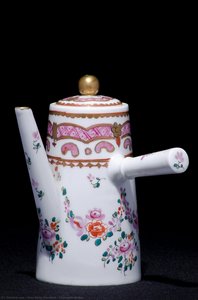
paul burty haviland
1886 - 1971
Quick Facts
- Artistic Movement Or Style: Photo-Secession
- Artists Or Movements Influenced By This Artist: ['Photo-Secession']
- Artists Who Influenced This Artist: ['Alfred Stieglitz']
- Date Of Birth: 1886
- Date Of Death: 1971
- Full Name: Paul Burty Haviland
- Nationality: French-American
- Notable Artworks:
- Portrait of a Man
- Two Sisters
- Chocolate Maker
- Place Of Birth: Paris, France

