 Preview
 Send
Send Share
Share
 Details

 Download
 Similars
 X-Ray
X-Ray Diaporama
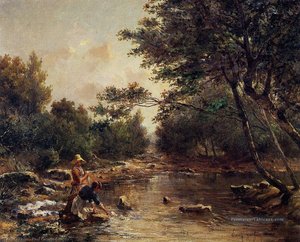
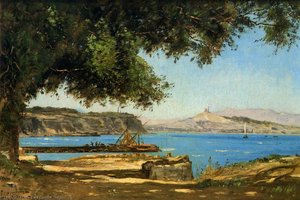
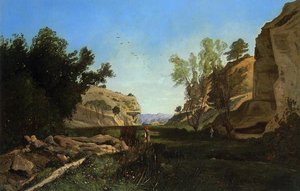
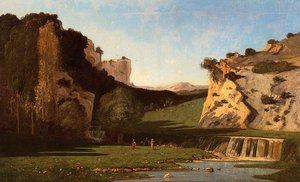
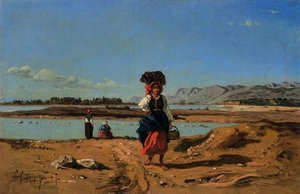
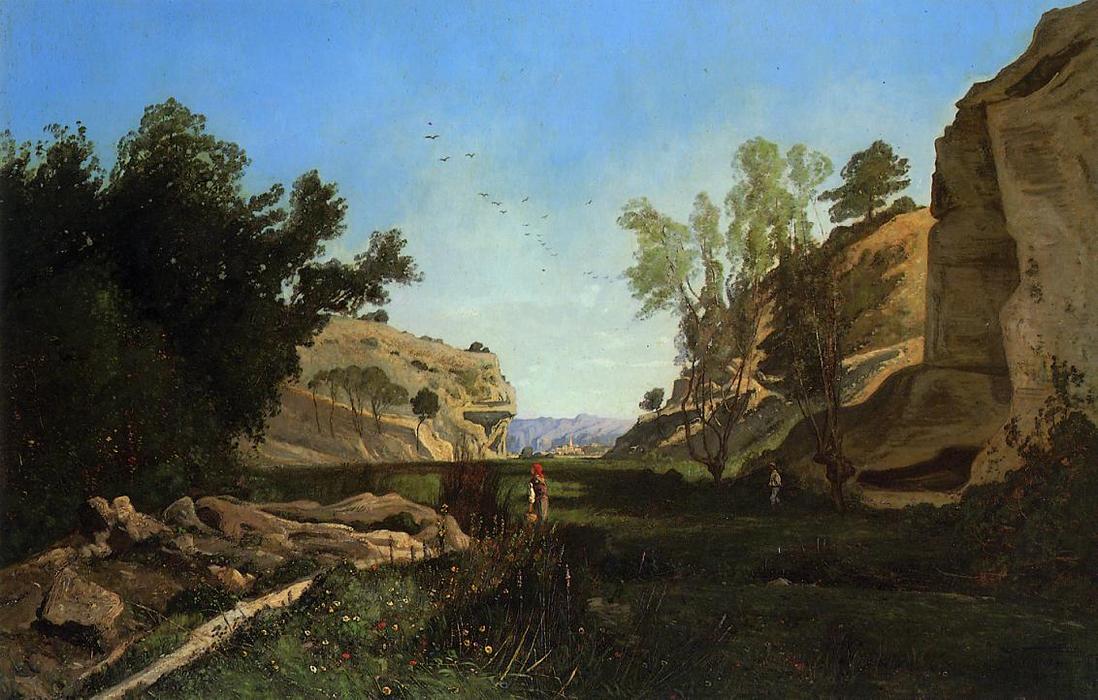
Chinchin Valley at Ile-sur-la-Sourgue, Vacluse

 Read More
Hand Made Oil Reproduction
Hand-painted oil on canvas in your size and frame, made to order by our artists. ( Buy Print Buy Image)




































Pick from our preset sizes that match the artwork's original proportions.

You may enter your own dimensions to fit a specific frame or space. If your selected size does not match the original image's proportions, we will either crop the artwork or extend the painting with additional hand-painted elements. A digital mockup will be sent for your approval before production begins.
Please note that the on-screen preview does not reflect the actual cropping or extension. Only the mockup will accurately show the final composition.
While custom sizes are available, we recommend selecting a dimension from the predefined list to preserve the original proportions.
After order, ArtsDot.com team will email client for instructions and provide a mockup preview
Worldwide Delivery () in 3/4 weeks instead of standard 5 weeks. (16 August). No compromise on quality.

Free Worldwide Express Shipping

High-Quality Linen Canvas

Full Shipping Insurance

Customs Tax Refund Guarantee

True Color Matching Guarantee

60-Day Return Policy (Defects Only)

100% Money-Back Guarantee

Bulk Discount Offer
 Glass option is only available in size under 110 CM

Chinchin Valley at Ile-sur-la-Sourgue, Vacluse
Reproduction Medium
Reproduction Size
-


Total Price
$ 263
Related Artworks
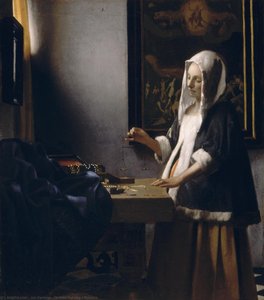
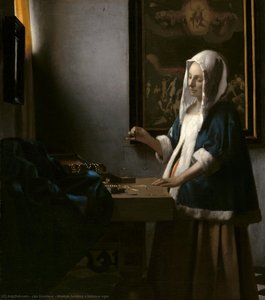

Artist Biography
The Soul of Provence: The Life and Legacy of Paul Camille Guigou
Paul Camille Guigou remains one of the most poignant figures of the nineteenth-century French landscape tradition, a painter whose brush captured the fleeting light of Provence even as his own life was cut tragically short. Born in 1834 to a prosperous family of farmers and notaries in Villars-sur-Vaucluse, Guigou possessed an innate, ancestral connection to the rugged beauty of the French countryside. While his formal education began in the quiet surroundings of Apt, it was his time in Marseille under the tutelage of Émile Loubon that truly ignited his artistic spirit. These early years were marked by a meticulous devotion to detail and a mastery of tonal harmonies, yet Guigous heart always remained tethered to the sun-drenched landscapes of his youth. The trajectory of Guigou’s career was shaped by a profound evolution in technique, moving from the polished, academic precision of his mentor toward a much more visceral and expressive language. As he moved through the vibrant artistic circles of Paris—frequenting the legendary Café Guerbois, where the seeds of Impressionism were being sown—he began to absorb the bold, textured energy of Gustave Courbet. This transition is beautifully evident in his mature works, such as The Banks of the Durance, where the artist abandoned mere imitation to embrace thick, visible brushstrokes that convey a sense of immediate, tactile reality. His canvases became more than just depictions of scenery; they became atmospheric experiences, utilizing textured earth tones and luminous washes to evoke the heat, wind, and moisture of the Mediterranean landscape.A Life of Quiet Struggle and Artistic Resilience
Despite his undeniable mastery, Guigou’s life was characterized by a persistent struggle for both financial stability and critical recognition. For much of his adult life, he balanced his creative pursuits with more pragmatic endeavors, working as a notary clerk in Marseille and later serving as an art tutor and critic to sustain himself. The Parisian art world of the mid-nineteenth century could be notoriously indifferent to emerging talents, and Guigou often faced the sting of rejection from juries and public exhibitions. This period of obscurity was compounded by his untimely death; at the age of only 37, a sudden stroke claimed his life in Paris, leaving behind a body of work that, for a time, seemed destined to fade into the shadows of history. However, the true significance of Guigou’s contribution to the Barbizon School was not fully realized until decades after his passing. It was not until the Centennial Exposition of French Art in 1900 that the art world began to rediscover the profound emotional depth and technical brilliance of his oeuvre. His ability to blend the structural integrity of the Barbizon tradition with an almost proto-Impressionistic sensitivity to light allowed his work to resonate with a new generation of collectors and historians.The Enduring Impression of a Master
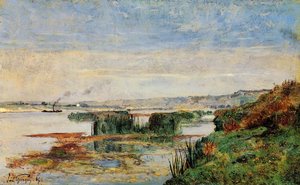
Today, the works of Paul Camille Guigou are celebrated for their ability to transport the viewer to a lost era of rural tranquility. His paintings serve as vital historical documents of the Provençal landscape, capturing scenes that range from:- Serene Waterways: Such as A Bend in the Durance River, where tranquil washes of color evoke the movement of flowing water.
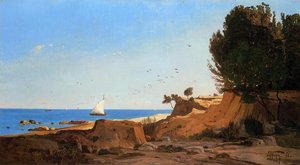
- Vibrant Earthscapes: Including Paisaje by the Provenza, which showcases his mastery of textured earth tones and atmospheric depth.
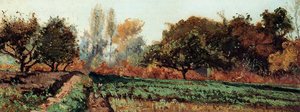
- Seasonal Transitions: Seen in pieces like An Autumn Morning, where the shifting light of the seasons is rendered with evocative precision.
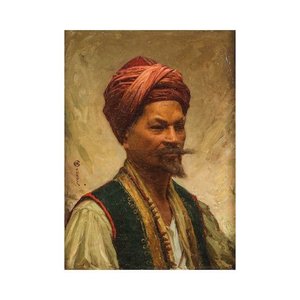
Paul Camille Guigou
1834 - 1871 , France
Quick Facts
- Artistic Movement Or Style: Barbizon School
- Artists Or Movements Influenced By This Artist: ['Barbizon School']
- Artists Who Influenced This Artist:
- Émile Loubon
- Gustave Courbet
- Date Of Birth: 1834
- Date Of Death: 1871
- Full Name: Paul Camille Guigou
- Nationality: French
- Notable Artworks:
- An Autumn Morning
- Landscape, the Banks of the Durance
- Paisaje by the Provenza
- Place Of Birth: Villars-sur-Oron, France