

 Preview
 Send
Send Share
Share
 Details

 Download
 Similars
 X-Ray
X-Ray Diaporama
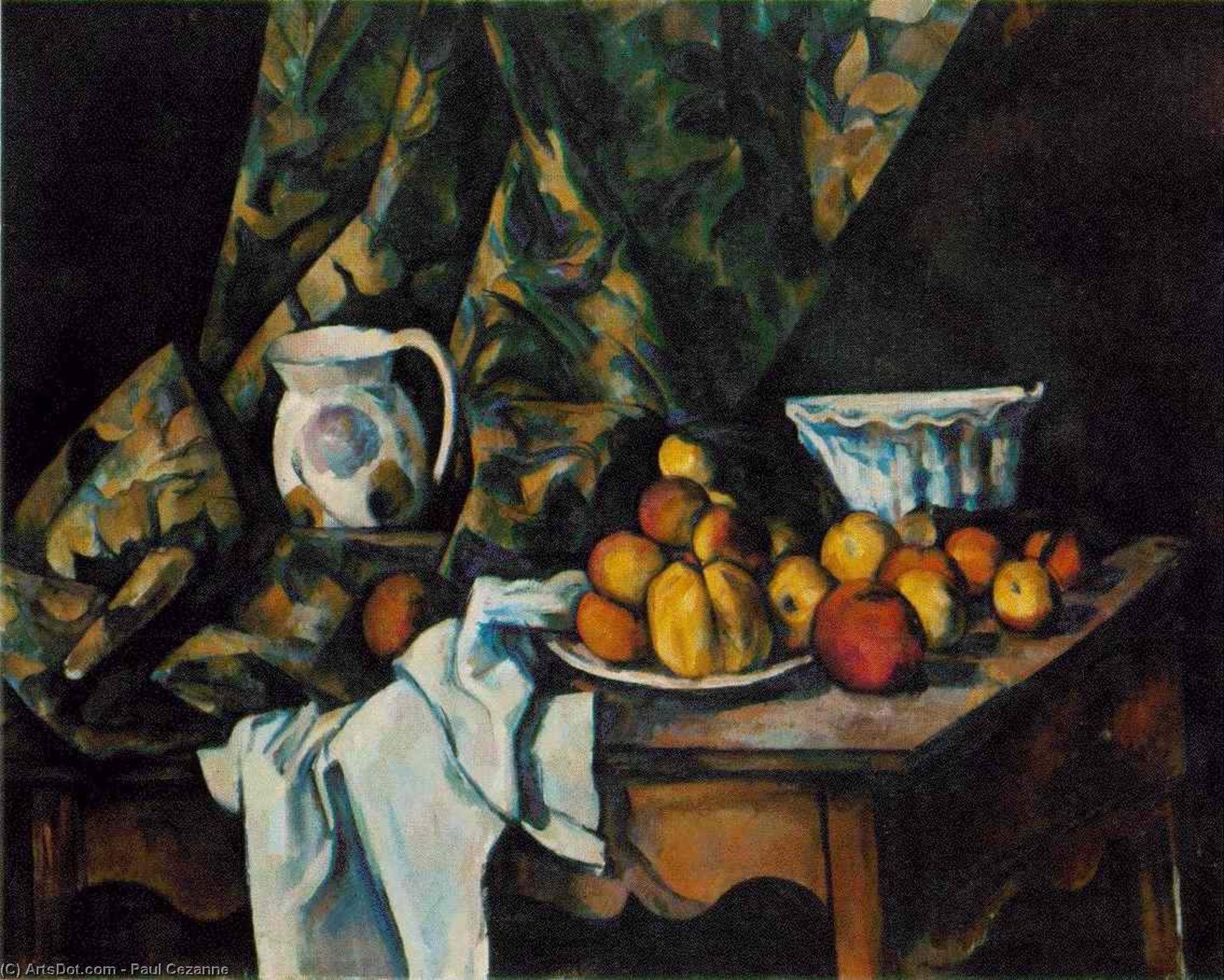
Nature morte au vase pique-fleurs,c.1905, ng washing

 Read More
Purchase a high-resolution, enhanced digital image, far superior to the online preview.
Each file is meticulously prepared by our in-house specialists using advanced tools and expert manual retouching. We ensure every image has exceptional clarity, precise color accuracy, and fine detail.
The final file is delivered via email within 72 hours, optimized for immediate use in professional, editorial, and print environments. This is the same quality trusted by top-tier design studios, publishers, and galleries.
Digital Image
Download a high-resolution file for personal display, printing, and creative projects. ( Buy Print Buy Hand Made Painting)
Included in Every Digital Image Order
Expert Digital Delivery, Guaranteed
When you choose ArtsDot.com, you're not just getting an image - you're receiving a professionally enhanced digital artwork, crafted with precision and backed by a satisfaction guarantee. Here's everything that comes with your order, automatically:

Fast Email Delivery
Your high-resolution digital image file will be emailed to you within 72 hours of ordering - ready for immediate use.

AI-Enhanced Digital File
Your artwork is professionally optimized using advanced AI tools and manual editing, ensuring maximum detail, clarity, and color accuracy.

Free Lifetime Re-Delivery
Accidentally deleted or lost your file? No worries - we'll resend it to you anytime, free of charge.

No Import Fees - Ever
Enjoy your artwork instantly with zero customs, duties, or delivery fees - digital downloads are always tax-free.

Color Accuracy Guarantee
We ensure your digital image reflects the original colors as closely as possible using professional tools and color management.

60-Day Satisfaction Guarantee
If you're not satisfied with your digital image, we'll revise it or refund 100% within 60 days - no questions asked.

100% Money-Back Guarantee
Not satisfied? Get a full refund within 60 days of receiving your digital file - no questions asked.

Bulk Order Discounts
Buy 3 images, save 10% - Buy 5, save 15% - Buy 10+, save 20%. Great for creative projects, galleries, and agencies.
Collectible Description
A Moment Frozen in Time: Cézanne’s Still Life with Flower Holder
Paul Cézanne's *Nature morte au vase pique-fleurs*, circa 1905, is more than just a depiction of fruit and flowers; it’s a carefully constructed meditation on form, color, and the very essence of observation. Painted during a pivotal period in his artistic evolution, this work exemplifies Cézanne's radical departure from traditional academic painting while simultaneously solidifying his place as a foundational figure in modern art. The National Gallery of Art’s reproduction offers a remarkable opportunity to experience the quiet intensity of this deceptively simple composition. The scene unfolds with an almost austere elegance: a dark, earthy table serves as the stage for a carefully arranged collection of fruit – plump apples blushing with pink, ripe pears offering their golden curves, and vibrant oranges scattered across the surface. These aren’t idealized representations; Cézanne doesn't strive for photographic accuracy. Instead, he renders each object with an emphasis on its geometric structure, breaking down forms into fundamental shapes—cubes, cylinders, cones—that he then rebuilds in his mind’s eye. This process is strikingly evident in the way he depicts the fruit, flattening perspective and suggesting volume through careful manipulation of line and color. The bowl, a simple, rounded form, anchors the arrangement, while a delicate cup hints at domesticity and human presence, subtly disrupting the otherwise self-contained nature of the still life.Color and Light: A Harmonious Palette
Cézanne’s masterful use of color is central to the painting's impact. He employs a restrained palette—primarily browns, ochres, and muted greens—creating a harmonious, almost melancholic atmosphere. The dark background provides a dramatic contrast to the vibrant hues of the fruit, drawing the viewer’s eye to their luminous surfaces. Notice particularly the interplay of light and shadow; Cézanne doesn't employ traditional chiaroscuro techniques, but rather subtly modulates color intensity to create an illusion of depth and volume. The pinkish-white highlights on the pitcher, napkin, and bowl are strategically placed, acting as focal points that guide the eye through the composition. The reference to Moustier faience – a type of white ceramic ware popular in Provence – adds a layer of regional authenticity and subtly connects the painting to Cézanne’s surroundings.Breaking with Tradition: Cézanne's Revolutionary Approach
*Nature morte au vase pique-fleurs* represents a crucial turning point in Cézanne’s artistic journey. He was increasingly dissatisfied with the limitations of Impressionism, which he felt prioritized fleeting impressions over enduring form. He sought to capture not just *what* he saw, but *how* he perceived it—the underlying structure and essence of objects. This is reflected in his deliberate use of thick impasto – a technique where paint is applied thickly to the canvas – particularly evident along the outlines of the pitcher and fruit. However, unlike Van Gogh’s exuberant brushstrokes, Cézanne's application is more controlled and purposeful, contributing to the painting’s sense of solidity and permanence. This shift towards geometric abstraction paved the way for Cubism, influencing generations of artists who followed.Symbolic Resonance and Emotional Depth
While seemingly a straightforward still life, *Nature morte au vase pique-fleurs* possesses a subtle symbolic resonance. The arrangement of fruit—symbols of abundance and fertility—suggests a celebration of the natural world. Yet, there’s also an underlying sense of stillness and contemplation, as if Cézanne is inviting us to pause and appreciate the beauty of ordinary objects. The painting's quiet intensity evokes a feeling of nostalgia, perhaps for a simpler time or a lost connection with nature. It’s a testament to Cézanne’s ability to imbue even the most commonplace subjects with profound emotional depth.- Artist: Paul Cézanne
- Date: Circa 1905
- Medium: Oil on Canvas
- Dimensions: 81.3 x 100.7 cm (32 x 39 5/8 in)
- Location: National Gallery of Art, Washington
A high-quality reproduction of *Nature morte au vase pique-fleurs* offers a captivating glimpse into the mind of one of art history’s most influential figures. It's an ideal addition to any collection, bringing a touch of Cézanne’s revolutionary vision and serene beauty into your home or office.
Related Artworks
Artist Biography
A Revolutionary Vision: The Life and Art of Paul Cézanne
Paul Cézanne, born in Aix-en-Provence in 1839, stands as a monumental figure bridging the gap between the fleeting impressions of Impressionism and the fragmented forms of Cubism. His journey was not one of immediate acclaim; rather, it was a slow burn of artistic exploration, marked by periods of self-doubt and critical dismissal, ultimately culminating in a legacy that would irrevocably alter the course of modern art. Born to a prosperous family – his father initially a hatmaker who later became a banker – Cézanne enjoyed a financial security unusual for aspiring artists, allowing him the freedom to dedicate himself to his passion without the immediate pressures of commercial success. Though initially steered towards a legal career by his father’s ambitions, the pull of artistic expression proved too strong, and he eventually abandoned law to pursue painting, a decision that would define his life. Early influences included the Romanticism prevalent in his youth and the Barbizon school's dedication to landscape, but it was through encounters with artists like Paul Gauguin and Georges Seurat, and their innovative approaches to color and form, that Cézanne began to forge his own distinct path.From Darkness to Structure: The Evolution of a Style
Cézanne’s early work often reflected the dramatic, emotionally charged themes characteristic of Romantic painting – dark palettes and expressive brushwork dominating his canvases. However, this initial phase was merely a stepping stone towards a far more analytical and groundbreaking approach. Dissatisfied with simply capturing fleeting impressions of light, as favored by the Impressionists, Cézanne embarked on a quest to understand and represent the underlying structure of objects themselves. He sought not just *what* he saw, but *how* he perceived the fundamental forms that constituted reality. This led him to break down natural shapes into their geometric equivalents – cones, cylinders, spheres – anticipating the Cubist revolution decades before it materialized. His technique became characterized by small, repetitive brushstrokes, meticulously layered to build up complex fields of color and texture, creating a sense of solidity and depth previously unseen in painting. He wasn’t interested in illusionistic space; instead, he often presented objects from multiple viewpoints simultaneously, challenging traditional notions of perspective and forcing the viewer to actively engage with the constructed nature of his compositions. This deliberate distortion wasn't arbitrary but rather an attempt to convey a more complete understanding of form, representing not just a single moment in time but a synthesis of perception.Landscapes, Still Lifes, and the Human Form: Key Works and Recurring Motifs
Cézanne’s oeuvre is remarkably diverse, encompassing landscapes, still lifes, portraits, and depictions of bathers, yet all are unified by his unique approach to form and color. The Pond at Jas de Bouffan, painted in 1880, exemplifies his landscape work, showcasing his ability to capture the essence of nature through a careful arrangement of shapes and tones. Portrait of Émile Zola, created in 1866, reveals his developing style and offers a compelling glimpse into the intellectual intensity of his close friend and fellow writer. His still lifes, such as those featuring apples and other fruit, are not merely representations of objects but rather explorations of volume, light, and spatial relationships. The Mont Sainte-Victoire series became an obsession for Cézanne, a recurring motif that allowed him to relentlessly investigate form and perspective over decades. These paintings aren’t simply depictions of a mountain; they are studies in how we perceive depth, volume, and the interplay of light and shadow. Finally, his series of Bathers, depicting nude figures in idyllic landscapes, represent a profound exploration of the human form and its connection to nature, often imbued with a sense of timelessness and quiet contemplation.A Legacy Forged in Innovation: Cézanne’s Influence on Modern Art
Paul Cézanne's impact on subsequent generations of artists is immeasurable. He is widely regarded as the “father of modern art” for his groundbreaking contributions to pictorial language, paving the way for many of the major artistic movements of the 20th century. Pablo Picasso and Georges Braque were deeply indebted to Cézanne’s emphasis on geometric forms and multiple perspectives, which became central tenets of Cubism. His bold use of color also inspired the Fauvist movement, led by artists like Henri Matisse, who embraced vibrant, non-naturalistic hues. Even Surrealist artists found resonance in Cézanne’s exploration of subjective perception and psychological depth. Beyond specific movements, Cézanne's insistence on the artist's personal vision and his rejection of traditional academic constraints liberated generations of painters to explore new forms of expression. He challenged the very definition of representation, shifting the focus from mimicking reality to constructing a visual experience based on underlying structure and subjective perception. His death in 1906 marked not an end but a beginning – the dawn of a new era in art history, one profoundly shaped by his revolutionary vision.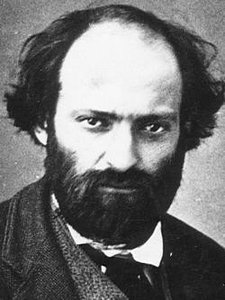
Paul Cézanne
1839 - 1906 , France
Quick Facts
- Artistic Movement Or Style: Post-Impressionism
- Artists Or Movements Influenced By This Artist:
- Cubism
- Fauvism
- Surrealism
- Artists Who Influenced This Artist:
- Romanticism
- Barbizon school
- Paul Gauguin
- Georges Seurat
- Date Of Birth: 1839-01-19
- Date Of Death: 1906-10-22
- Full Name: Paul Cézanne
- Nationality: French
- Notable Artworks:
- The Pond at Jas de Bouffan
- Portrait of Émile Zola
- Forest
- Mont Sainte-Victoire series
- The Bathers
- Place Of Birth: Aix-en-Provence, France

