 Preview
 Send
Send Share
Share
 Details

 Download
 Similars
 X-Ray
X-Ray Diaporama
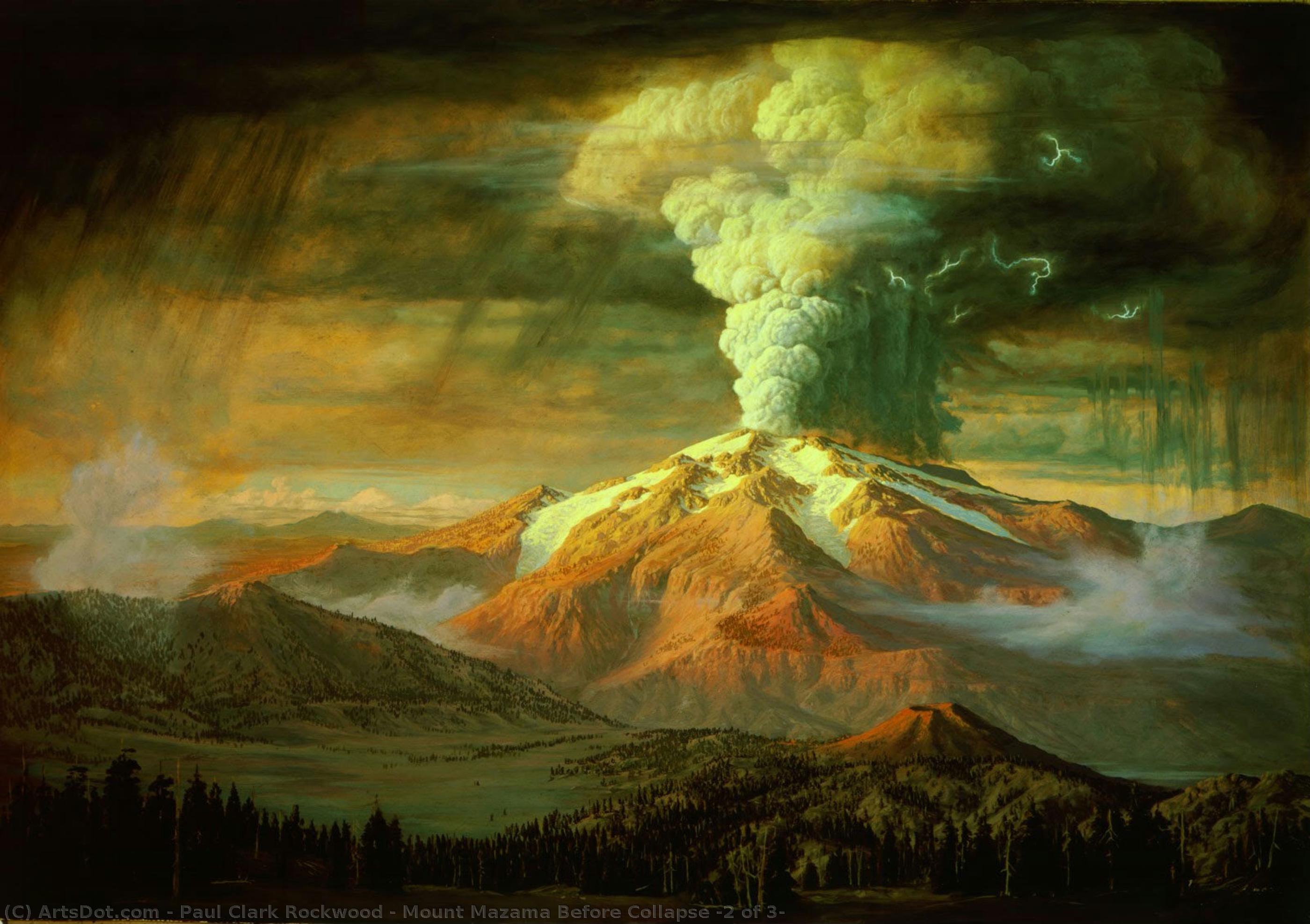
Mount Mazama Before Collapse (2 of 3)


 Read More
Giclée / Art Print
Museum-quality giclée or canvas print with fast production and flexible finish options. ( Buy Hand Made Painting Buy Image)




































Pick from our preset sizes that match the artwork's original proportions.

You may enter your own dimensions to fit a specific frame or space. If your selected size does not match the original image's proportions, we will either crop the artwork or extend the image with a mirrored or solid-fill edge. A digital mockup will be sent for your approval before production begins.
Please note that the on-screen preview does not reflect the actual cropping or extension. Only the mockup will accurately show the final composition.
While custom sizes are available, we recommend selecting a dimension from the predefined list to preserve the original proportions.
Worldwide Delivery () in 2 weeks instead of standard 4/5 weeks. (24 August)

Free Worldwide Express Shipping

High-Quality Linen Canvas

Full Shipping Insurance

Customs Tax Refund Guarantee

True Color Matching Guarantee

60-Day Return Policy (Defects Only)

100% Money-Back Guarantee

Bulk Discount Offer
 Glass option is only available in size under 110 CM

Mount Mazama Before Collapse (2 of 3)
Giclée / Art Print
Reproduction Size
-


Total Price
$ 63
Related Artworks



Artist Biography
The Wild Heart of the West Coast: Unveiling Gluck’s Vision
Hannah Gluckstein, born in London in 1895, wasn't destined for a conventional life. Raised within a wealthy Jewish family deeply rooted in the burgeoning world of British commerce – her father, Joseph Gluckstein, was a key figure in the vast J. Lyons and Co. empire – she possessed an innate restlessness and a profound yearning for something beyond the confines of Victorian society. This inherent desire, coupled with a keen artistic sensibility nurtured by her mother, Francesca, a former opera singer, set the stage for a life dedicated to capturing the essence of the natural world through her art. Early influences included meticulous copying of Old Master paintings at the Louvre and a grounding in plein-air techniques under Jean-Baptiste-Camille Corot, establishing a foundation for her distinctive style. Her childhood was marked by both privilege and a subtle sense of alienation, experiences that would later inform the intensely personal and emotionally charged nature of her work. The family’s relocation to Victoria, British Columbia, in 1863, provided a new landscape—a blend of British formality and burgeoning Canadian identity—that profoundly shaped her artistic vision.A Cornish Sanctuary: Finding Form and Identity in Lamorna
Following the loss of her parents, Gluck sought refuge and creative liberation in the artist’s colony of Lamorna, a small fishing village nestled on the rugged coast of Cornwall, England. This move proved transformative, providing her with a community of like-minded artists—including Laura Knight, Fred Cormack, and William Orpen—who encouraged experimentation and challenged conventional artistic norms. Lamorna offered Gluck a space to develop her unique style, characterized by bold brushstrokes, vibrant colors, and an intensely expressive portrayal of the landscape and its inhabitants. She embraced the Cornish spirit, documenting the lives of fishermen, farmers, and local women with remarkable honesty and empathy. Her portraits weren't merely representations; they were windows into the souls of her subjects, imbued with a palpable sense of their character and experiences. The influence of the Cornish light—its shifting moods and dramatic contrasts—became an integral element of her artistic language.Breaking Boundaries: A Singular Artistic Voice
Gluck’s artistic identity was fiercely independent. Rejecting conventional titles like “Miss” or “Mr,” she preferred to be addressed as Peter or Hig, a deliberate assertion of her autonomy and refusal to conform to societal expectations. This rebellious spirit extended to her art, where she eschewed the prevailing trends of the time, forging her own path with unwavering conviction. Her work defied easy categorization, blending elements of portraiture, landscape painting, and still life—often infused with a distinctly lesbian sensibility. The iconic self-portrait *Medallion*, painted in collaboration with her partner, Nesta Obermer, stands as a powerful testament to their relationship and a groundbreaking exploration of female identity within the art world. Her decision to use only her initials as a signature further underscored her commitment to artistic freedom and her rejection of conventional artistic hierarchies.Themes of Isolation and Intimacy
Gluck’s oeuvre is deeply rooted in themes of isolation, intimacy, and the complexities of human relationships. Her portraits are not idealized representations but rather honest explorations of vulnerability, resilience, and quiet dignity. She frequently depicted women—often marginalized figures—with a sensitivity that revealed their inner lives and challenged conventional notions of beauty. Landscapes, too, served as metaphors for emotional states, conveying feelings of loneliness, longing, and the search for connection. Her use of color was particularly evocative, employing bold hues to express intense emotions and creating a sense of immediacy and drama. The recurring motif of the “looking glass” – often reflected in her portraits—suggests an exploration of self-perception and the complexities of identity.Legacy and Recognition
Despite facing significant challenges throughout her career, including limited recognition during her lifetime and a struggle to gain acceptance within the established art world, Gluck’s work has been increasingly celebrated in recent decades. Her unique vision—characterized by its emotional intensity, unconventional subject matter, and distinctive style—has earned her a place among the most important British artists of the 20th century. Her paintings are now held in major collections around the world, including the Tate Gallery in London and the National Portrait Gallery in Washington D.C., testament to the enduring power and relevance of her art. Gluck’s story serves as an inspiring example of artistic courage, resilience, and a refusal to compromise one's creative vision—a wild heart beating strong within the landscape of British art history.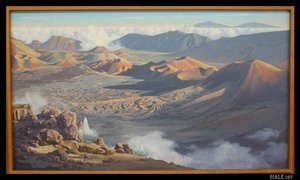
paul clark rockwood
1895 - 1972 , United States of America
Quick Facts
- Artistic Movement Or Style: Modernism, Portraiture
- Artists Or Movements Influenced By This Artist: ["Lamorna artists' colony"]
- Artists Who Influenced This Artist: ['Alphonse Mucha']
- Date Of Birth: 13 August 1895
- Full Name: Hannah Gluckstein”
- Nationality: British
- Notable Artworks:
- Medallion
- Venus Between Terminal Gods
- Place Of Birth: London, England