

 Preview
 Send
Send Share
Share
 Details

 Download
 Similars
 X-Ray
X-Ray Diaporama
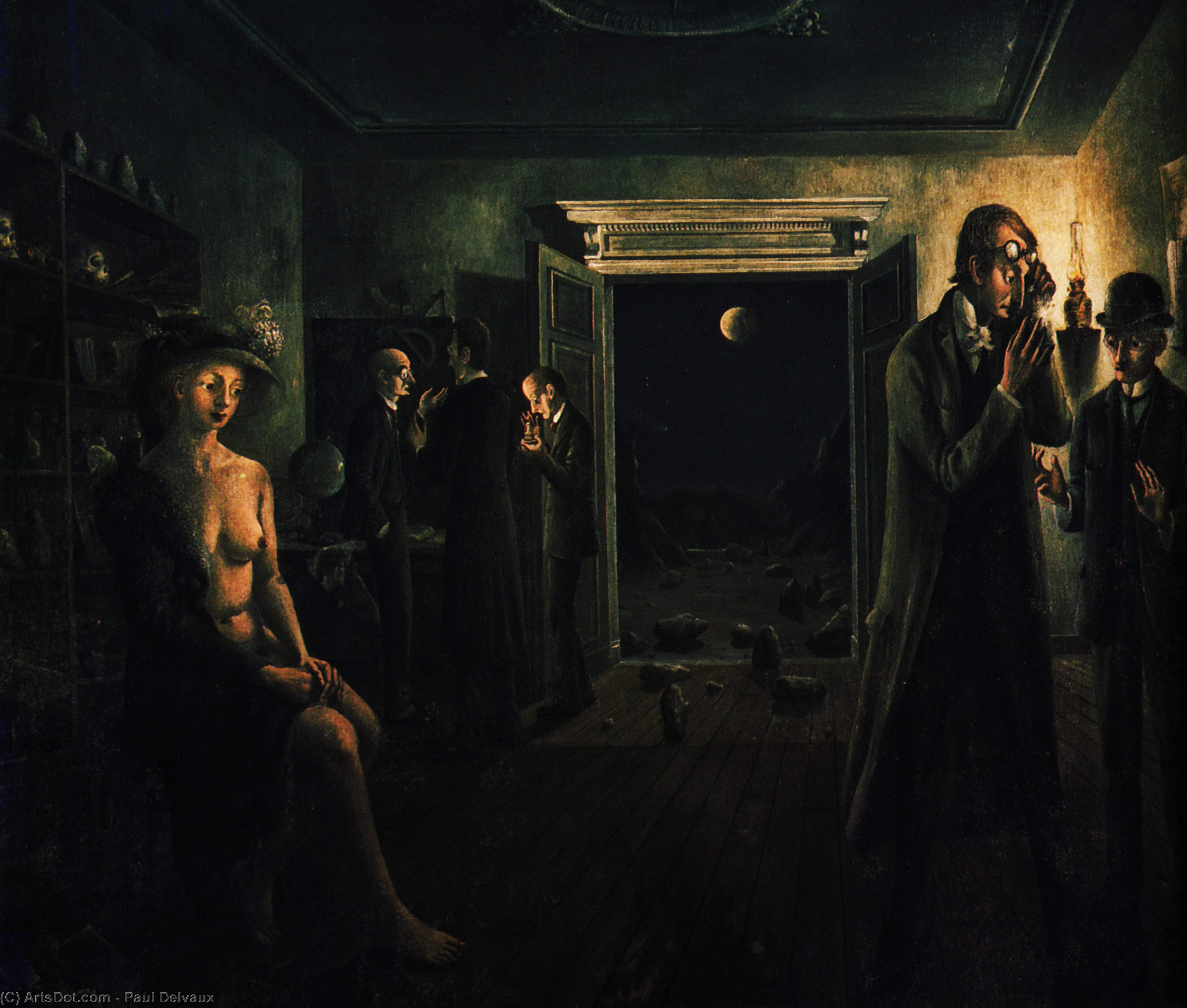
Phases of the Moon II
 Acrylic On Canvas
- WallArt
- Surrealist Dreamscapes
 1941
1941- Modern
 143.0 x 175.0 cm
 Read More
Purchase a high-resolution, enhanced digital image, far superior to the online preview.
Each file is meticulously prepared by our in-house specialists using advanced tools and expert manual retouching. We ensure every image has exceptional clarity, precise color accuracy, and fine detail.
The final file is delivered via email within 72 hours, optimized for immediate use in professional, editorial, and print environments. This is the same quality trusted by top-tier design studios, publishers, and galleries.
Digital Image
Download a high-resolution file for personal display, printing, and creative projects. ( Buy Print Buy Hand Made Painting)
Included in Every Digital Image Order
Expert Digital Delivery, Guaranteed
When you choose ArtsDot.com, you're not just getting an image - you're receiving a professionally enhanced digital artwork, crafted with precision and backed by a satisfaction guarantee. Here's everything that comes with your order, automatically:

Fast Email Delivery
Your high-resolution digital image file will be emailed to you within 72 hours of ordering - ready for immediate use.

AI-Enhanced Digital File
Your artwork is professionally optimized using advanced AI tools and manual editing, ensuring maximum detail, clarity, and color accuracy.

Free Lifetime Re-Delivery
Accidentally deleted or lost your file? No worries - we'll resend it to you anytime, free of charge.

No Import Fees - Ever
Enjoy your artwork instantly with zero customs, duties, or delivery fees - digital downloads are always tax-free.

Color Accuracy Guarantee
We ensure your digital image reflects the original colors as closely as possible using professional tools and color management.

60-Day Satisfaction Guarantee
If you're not satisfied with your digital image, we'll revise it or refund 100% within 60 days - no questions asked.

100% Money-Back Guarantee
Not satisfied? Get a full refund within 60 days of receiving your digital file - no questions asked.

Bulk Order Discounts
Buy 3 images, save 10% - Buy 5, save 15% - Buy 10+, save 20%. Great for creative projects, galleries, and agencies.
Collectible Description
A Descent into Dream Logic: Paul Delvaux’s “Phases of the Moon II”
Paul Delvaux's "Phases of the Moon II," painted in 1941, is not merely a depiction of a room; it’s an immersion into the unsettling subconscious. This surrealist masterpiece, measuring 143 x 175 cm, captures a scene brimming with enigmatic figures and meticulously rendered objects, inviting viewers to confront the anxieties and desires lurking beneath the surface of reality. Delvaux, born in Wanze, Belgium, in 1897, was a key figure in the Surrealist movement, though he maintained a deliberate distance from its more overtly political leanings, focusing instead on exploring the realm of dreams and the uncanny.
- Subject Matter: The painting presents a disconcerting tableau – a group of individuals, some formally dressed with ties, gathered within a sparsely furnished room. A woman sits passively in a chair, while others observe her with varying degrees of interest or apprehension.
- Composition: Delvaux’s masterful use of perspective and scale creates a sense of unease. The objects – cups, bowls, a clock, an open book – are arranged with deliberate precision, contributing to the painting's unsettling atmosphere.
Surrealist Techniques and the Power of Detail
Delvaux’s technique is characterized by a startlingly realistic rendering of bizarre and illogical elements. He employed meticulous brushwork and a keen eye for detail, creating an illusion of tangible reality that only amplifies the surreal nature of the scene. The smooth surfaces of the furniture, the sheen on the porcelain objects, and the subtle textures of the fabrics are rendered with almost photographic precision – a deliberate strategy to heighten the viewer’s sense of disorientation. This approach aligns him with the broader Surrealist interest in exploring the relationship between perception and reality, challenging viewers to question their assumptions about the world around them.
- Color Palette: The muted color palette—dominated by cool blues, grays, and browns—further enhances the painting’s melancholic and dreamlike quality.
- Lighting: The soft, diffused lighting contributes to the overall sense of mystery and adds to the unsettling atmosphere.
Symbolism and the Unconscious
"Phases of the Moon II" is rich in symbolic potential. The recurring motif of the moon, a potent symbol of femininity, intuition, and the subconscious, dominates the title and likely plays a significant role within the painting’s narrative. The figures themselves are ambiguous, their expressions unreadable, suggesting a shared state of anxiety or vulnerability. The objects – the clock representing time's relentless march, the open book hinting at knowledge and secrets – add layers of interpretation. Delvaux was deeply interested in exploring themes of sexuality, death, and the fragility of human existence, often drawing inspiration from classical mythology and literature.
A Timeless Masterpiece for Collection and Interior Design
This hand-painted reproduction captures the essence of Delvaux’s genius, offering a window into his extraordinary vision. “Phases of the Moon II” is more than just a beautiful artwork; it's an invitation to contemplate the complexities of the human psyche. Its evocative imagery and masterful technique make it a compelling addition to any art collection or a striking focal point within interior design settings. ArtsDot offers this exceptional piece, meticulously crafted to faithfully reproduce Delvaux’s original vision, ensuring that its haunting beauty will endure for generations to come.
Related Artworks
Artist Biography
A Dream Weaver: The Life and Art of Paul Delvaux
Born in 1897 in the small Belgian village of Wanze, Paul Delvaux embarked on a journey that would lead him to become one of the most distinctive voices within Surrealism, though he often resisted strict categorization. His early life was steeped in contrasting influences – the rigorous discipline of classical education in Greek and Latin alongside the fantastical worlds conjured by Jules Verne and Homer’s *Odyssey*. This duality, between order and imagination, would come to define his artistic vision. Initially steered towards a practical career in architecture by his parents, Delvaux found himself drawn inexorably toward painting, eventually enrolling at the Académie Royale des Beaux-Arts in Brussels. Though he struggled with the mathematical demands of architecture, the training instilled within him a mastery of perspective and form that would later serve as a foundation for the unsettling realism of his dreamscapes. His early works reflected this academic grounding, primarily landscapes painted in a post-impressionist style, but even then, hints of the peculiar atmosphere that would characterize his mature work were beginning to emerge.The Birth of a Surreal Vision
The pivotal moment in Delvaux’s artistic development arrived with his encounter with the work of Giorgio de Chirico. De Chirico's metaphysical paintings – stark, enigmatic scenes populated by shadows and classical architecture – resonated deeply with Delvaux, unlocking a new realm of possibilities. He began to populate his canvases with nude figures, often juxtaposed against imposing architectural structures or within vast, desolate landscapes. These were not merely depictions of the human form; they were explorations of desire, alienation, and the subconscious mind. The influence of Flemish Expressionists like Constant Permeke and Gustave De Smet is also visible in this period, lending a certain somber intensity to his palette and brushwork. However, Delvaux quickly transcended these influences, forging a style uniquely his own – a blend of classical precision and dreamlike irrationality. His paintings began to evoke a sense of unease, a feeling that something hidden lurked beneath the surface of reality. Recurring motifs emerged: trains, skeletal figures, and women with veiled faces, all contributing to the unsettling atmosphere that defines his work.Recurring Motifs and Symbolic Language
Delvaux’s artistic language is rich in symbolism, though he consistently resisted attempts at straightforward psychoanalytic interpretation. The female nude, a central figure in many of his paintings, often appears passive or melancholic, embodying both desire and vulnerability. Trains and railway stations frequently appear as symbols of transition, displacement, and the anxieties of modernity. Skeletons, far from being morbid emblems of death, represent a haunting presence, a reminder of mortality that permeates even the most idyllic scenes. Classical architecture provides a backdrop of order and permanence, yet it is often rendered strangely distorted or incomplete, suggesting a fragility beneath the surface. These elements are not merely decorative; they are integral to the emotional and psychological impact of his work. Night Train, for example, encapsulates many of these themes – the anonymous figures, the looming architecture, and the sense of impending doom create a powerful and unforgettable image. The artist himself explained that his imagery stemmed from deeply personal memories and impressions, particularly those from his youth, rather than conscious attempts to decode the subconscious.Legacy and Lasting Influence
Throughout his long career, Paul Delvaux remained a singular figure in the art world. While briefly associated with the Surrealist movement, he maintained a degree of independence, refusing to adhere strictly to its tenets. His paintings continue to captivate audiences with their haunting beauty and enigmatic atmosphere. Major works like The Summer, Grise City, and multiple versions of Sleeping Venus are held in prominent museums around the world, including the Tate Gallery in London and the Musee de Toyama in Japan. Delvaux’s influence can be seen in the work of numerous contemporary artists who explore themes of memory, desire, and the subconscious. He demonstrated that Surrealism could exist beyond the confines of automatic writing and dream analysis, embracing instead a meticulous technique and a deeply personal vision. His legacy endures not only through his paintings but also through the enduring power of his unique artistic language – a language that continues to speak to our deepest fears and desires. The Paul Delvaux Museum in Saint-Idesbald, Belgium, stands as a testament to his lasting impact, housing the world’s largest collection of his work and offering visitors a glimpse into the captivating realm of his imagination.
Paul Delvaux
1897 - 1994 , Belgium
Quick Facts
- Artistic Movement Or Style: Surrealism
- Artists Or Movements Influenced By This Artist: Future generations
- Artists Who Influenced This Artist:
- Giorgio de Chirico
- René Magritte
- Date Of Birth: September 23, 1897
- Date Of Death: July 20, 1994
- Full Name: Paul Delvaux
- Nationality: Belgian
- Notable Artworks:
- Night Train
- Sleeping Venus
- The Summer
- Grise City
- The Sabbath
- Place Of Birth: Wanze, Belgium

