 Preview
 Send
Send Share
Share
 Details

 Download
 Similars
 X-Ray
X-Ray Diaporama
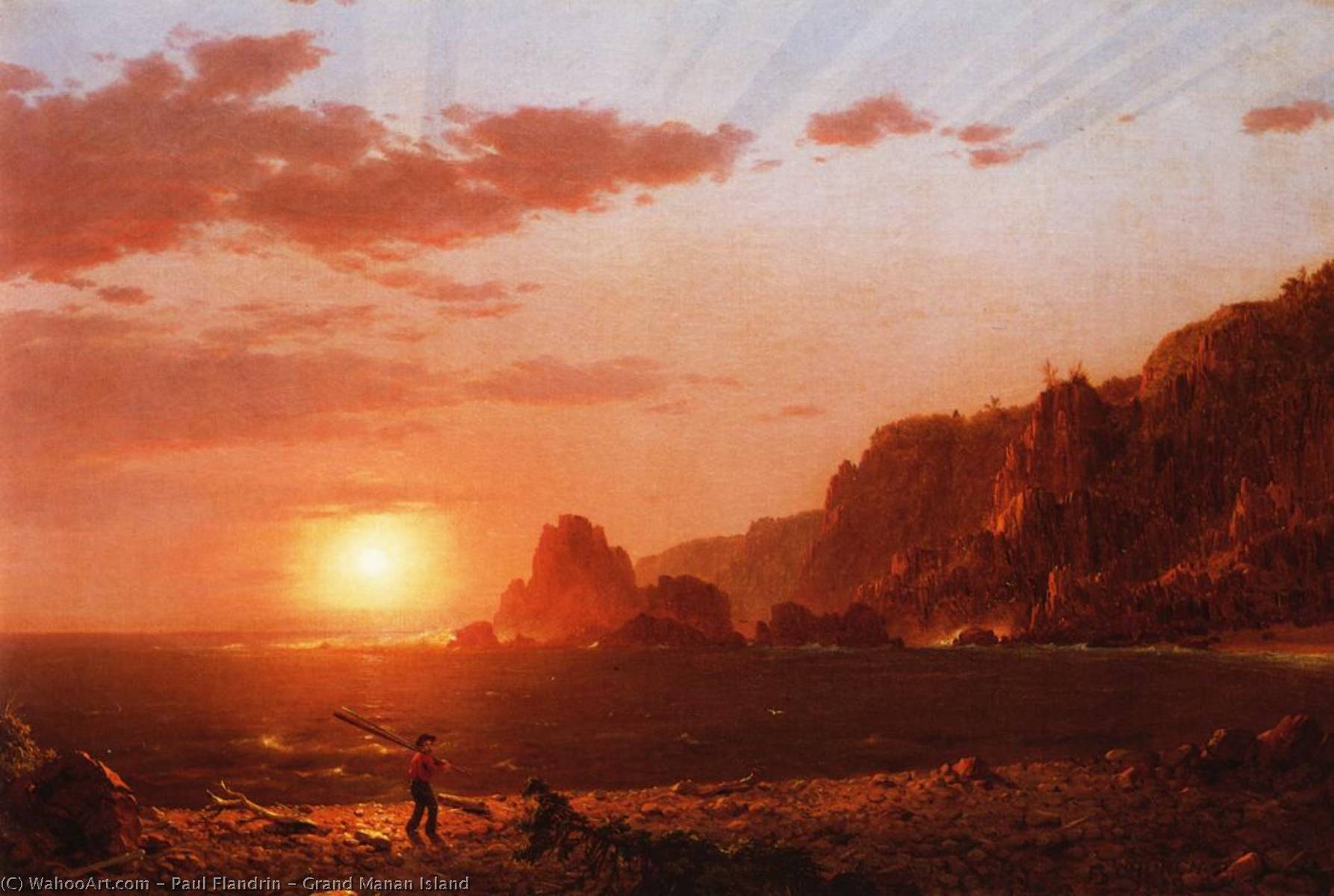
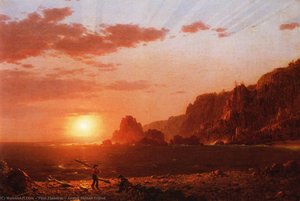
Grand Manan Island
 Read More
Hand Made Oil Reproduction
Hand-painted oil on canvas in your size and frame, made to order by our artists. ( Buy Print Buy Image)




































Pick from our preset sizes that match the artwork's original proportions.

You may enter your own dimensions to fit a specific frame or space. If your selected size does not match the original image's proportions, we will either crop the artwork or extend the painting with additional hand-painted elements. A digital mockup will be sent for your approval before production begins.
Please note that the on-screen preview does not reflect the actual cropping or extension. Only the mockup will accurately show the final composition.
While custom sizes are available, we recommend selecting a dimension from the predefined list to preserve the original proportions.
After order, ArtsDot.com team will email client for instructions and provide a mockup preview
Worldwide Delivery () in 3/4 weeks instead of standard 5 weeks. (17 August). No compromise on quality.

Free Worldwide Express Shipping

High-Quality Linen Canvas

Full Shipping Insurance

Customs Tax Refund Guarantee

True Color Matching Guarantee

60-Day Return Policy (Defects Only)

100% Money-Back Guarantee

Bulk Discount Offer
 Glass option is only available in size under 110 CM

Grand Manan Island
Reproduction Medium
Reproduction Size
-


Total Price
$ 263
Related Artworks
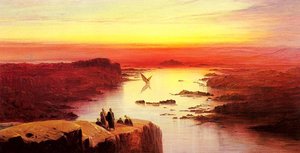
Artist Biography
Paul Flandrin: Bridging Classical Landscape and Romantic Emotion
Paul Jean Flandrin (28 May 1811, Lyon – 8 March 1902, Paris) stands as a pivotal figure in the transition from Neoclassical landscape painting to the burgeoning naturalism of the mid-nineteenth century. Often overshadowed by his brothers Auguste and Hippolyte—who achieved greater fame as sculptors and painters respectively—Paul’s contribution to French art history deserves renewed attention for its quiet elegance, meticulous observation, and profound engagement with the spirit of its time.
- Early Life and Training: Born in Lyon, Flandrin’s artistic inclinations were nurtured by his father, who instilled a love for visual arts. Recognizing his talent early on, he embarked upon formal training under Antoine Duclaux, a landscape painter known for capturing the grandeur of mountainous regions, and Jean-François Legendre-Héral, a sculptor whose influence would extend throughout his career. These formative experiences established a bedrock of technical skill and aesthetic sensibility that would characterize his subsequent artistic endeavors.
- The École des Beaux-Arts and Ingres’ Influence: Flandrin honed his craft at the École des Beaux-arts de Lyon and subsequently Paris, where he studied under Dominique Ingres—a titan of Neoclassical painting whose uncompromising pursuit of idealized form profoundly impacted Flandrin's artistic vision. Ingres championed a disciplined approach to observation and representation, emphasizing accuracy alongside expressive beauty – principles that would become central to Flandrin’s oeuvre.
- The Prix de Rome Competition: Twice attempting the prestigious Prix de Rome—a cornerstone of French artistic education—Flandrin experienced disappointment both times. Despite failing to secure the prize, he persevered in his artistic pursuits, traveling independently to Rome where he joined Hippolyte Flandrin and immersed himself in the Roman landscape tradition. This self-funded journey solidified his commitment to mastering nature’s subtleties and translating them into compelling visual narratives.
- Landscape Painting: A Synthesis of Tradition and Innovation: Flandrin's artistic legacy rests primarily on his landscapes—works that exemplify the harmonious blend of classical ideals and burgeoning naturalistic tendencies. He meticulously studied the topography and atmospheric conditions of locations such as Sabine Mountains, Grand Manan Island, and Orange with Mont Ventoux, employing techniques honed by Ingres to convey both grandeur and intimacy. His paintings are notable for their subtle tonal gradations and masterful depiction of light—elements that imbue them with a palpable sense of atmosphere.
- Collaborations and Legacy: Flandrin’s artistic partnership with Hippolyte Flandrin proved particularly fruitful, as he frequently served as the landscape artist for his brother's monumental paintings. This collaborative effort ensured that Flandrin’s stylistic sensibilities were disseminated widely throughout the art world. Furthermore, his influence extended beyond his immediate peers, shaping the aesthetic sensibilities of subsequent generations of painters and contributing to the enduring fascination with classical landscape painting.
His works are housed in prominent museums across France, including the Louvre Museum in Paris, where masterpieces like “Solitude” and “Jeune Homme Nu Assis au Bord de la Mer” continue to inspire admiration for their understated beauty and masterful execution. Paul Flandrin’s contribution to French art history is a testament to the power of disciplined observation, unwavering artistic conviction, and the ability to synthesize tradition with innovation—qualities that resonate powerfully even today.
paul flandrin
1811 - 1902
Quick Facts
- Artistic Movement Or Style: Classical Landscape
- Artists Or Movements Influenced By This Artist: ['Édouard Bertin']
- Artists Who Influenced This Artist:
- Antoine Duclaux
- Jean-François Legendre-Héral
- Dominique Ingres
- Date Of Birth: May 28, 1811
- Date Of Death: March 8, 1902
- Full Name: Paul Jean Flandrin
- Nationality: French
- Notable Artworks:
- View of Orange with Mont Ventoux
- Grand Manan Island
- Solitude
- Place Of Birth: Lyon, France