 Preview
 Send
Send Share
Share
 Details

 Download
 Similars
 X-Ray
X-Ray Diaporama
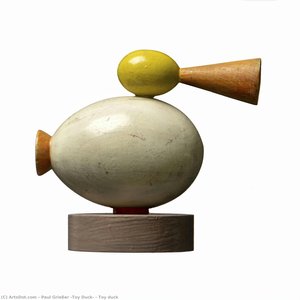
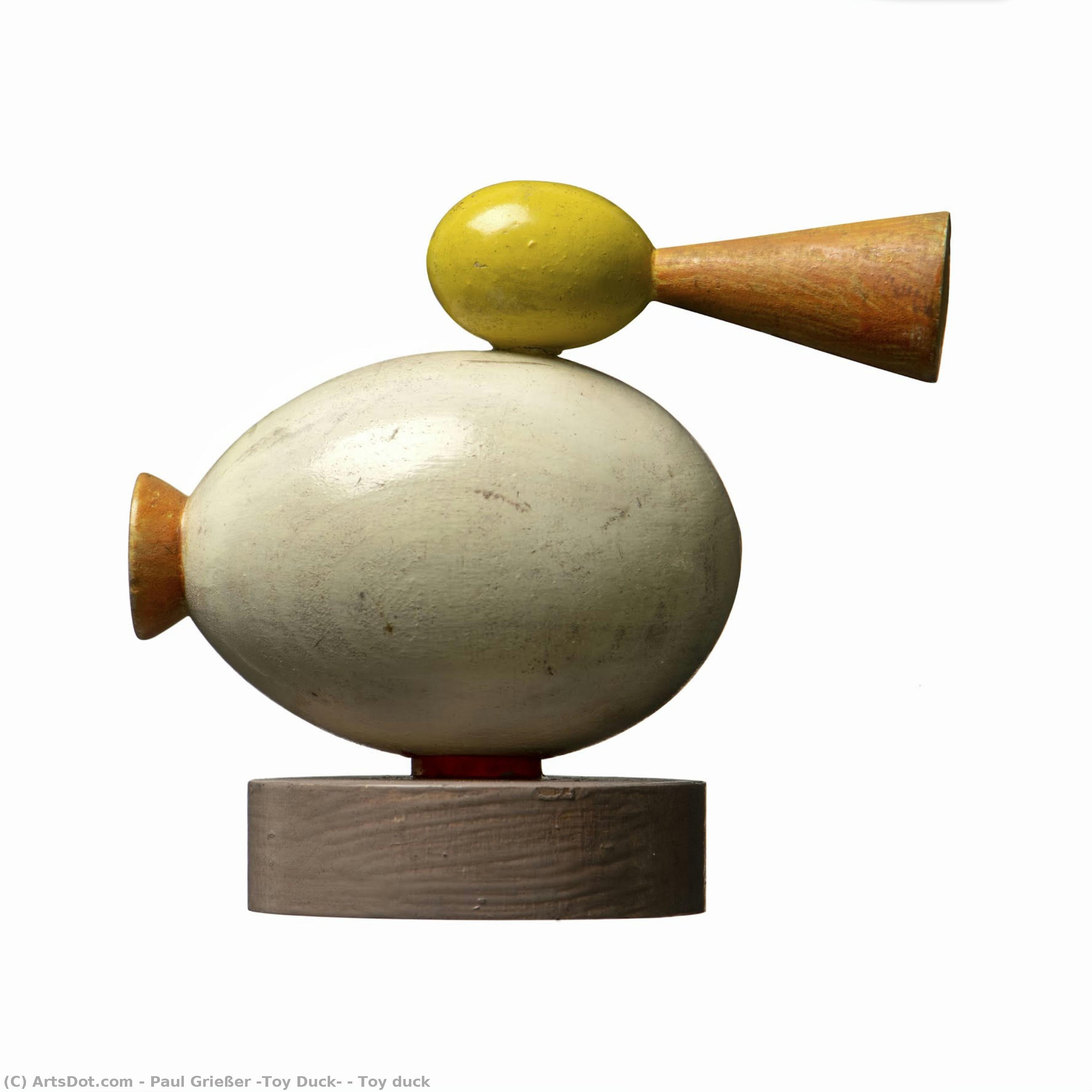
Toy duck


 Read More
Giclée / Art Print
Museum-quality giclée or canvas print with fast production and flexible finish options. ( Buy Hand Made Painting Buy Image)




































Pick from our preset sizes that match the artwork's original proportions.

You may enter your own dimensions to fit a specific frame or space. If your selected size does not match the original image's proportions, we will either crop the artwork or extend the image with a mirrored or solid-fill edge. A digital mockup will be sent for your approval before production begins.
Please note that the on-screen preview does not reflect the actual cropping or extension. Only the mockup will accurately show the final composition.
While custom sizes are available, we recommend selecting a dimension from the predefined list to preserve the original proportions.
Worldwide Delivery () in 2 weeks instead of standard 4/5 weeks. (24 August)

Free Worldwide Express Shipping

High-Quality Linen Canvas

Full Shipping Insurance

Customs Tax Refund Guarantee

True Color Matching Guarantee

60-Day Return Policy (Defects Only)

100% Money-Back Guarantee

Bulk Discount Offer
 Glass option is only available in size under 110 CM

Toy duck
Giclée / Art Print
Reproduction Size
-


Total Price
$ 63
Related Artworks

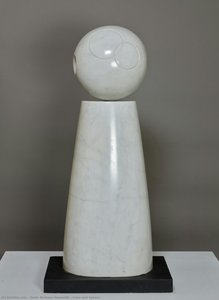
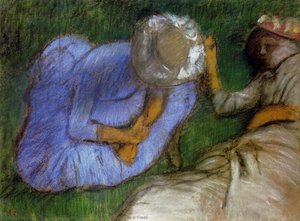
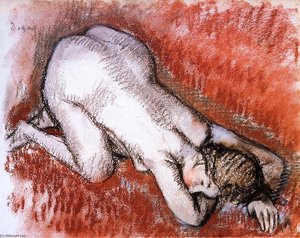
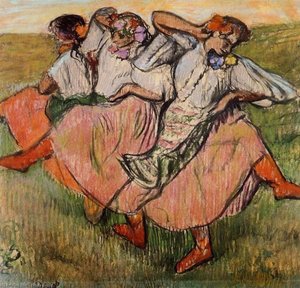
Artist Biography
Norman Rockwell: A Chronicle of American Life
Born in New York City on February 3, 1894, Norman Percevel Rockwell emerged from a family steeped in artistic tradition – his father, George Bellows, was a renowned painter and illustrator, and his grandfather, Daniel Huntington, had worked for the influential magazine *Harper’s Weekly*. From an early age, Rockwell demonstrated a keen eye for detail and a remarkable ability to capture the essence of human emotion. His childhood was marked by a love of drawing and a fascination with storytelling, skills he diligently honed through countless hours spent sketching friends and family.
Rockwell's artistic journey began modestly. He secured his first commission at just fifteen years old, illustrating Christmas cards for Woolworth’s – an experience that instilled in him the value of commercial art and its potential to reach a wide audience. He subsequently worked as an illustrator for magazines like *McGuffey’s Reader* and *The Saturday Evening Post*, steadily building his reputation and refining his distinctive style. These early commissions provided invaluable training, exposing him to diverse subjects and demanding deadlines that shaped his work ethic.
The Saturday Evening Post and the American Narrative
Rockwell's career truly ascended with his appointment as the primary illustrator for *The Saturday Evening Post* in 1916. This long-term association, spanning nearly five decades, became synonymous with his name and cemented his place in American cultural history. He didn’t simply illustrate stories; he meticulously crafted narratives that resonated deeply with readers across the nation. His scenes were populated by familiar faces – ordinary Americans engaged in everyday activities—and imbued with a palpable sense of warmth, humor, and often poignant social commentary.
Rockwell's most celebrated series, “Willie Gillis,” depicted the life of a hardworking Pennsylvania farmer and his family, offering a relatable portrayal of rural American life. Other iconic images, such as "Rosie the Riveter," captured the spirit of World War II mobilization, while “The Four Freedoms” – inspired by President Franklin Delano Roosevelt’s call for global peace—became powerful symbols of democracy and humanitarianism. These works weren't merely illustrations; they were cultural touchstones, reflecting the values and anxieties of a rapidly changing nation.
Influences and Artistic Style
Rockwell’s artistic style was a complex synthesis of influences. He drew inspiration from the realism of artists like George Bellows and Winslow Homer, but also incorporated elements of American illustration traditions—particularly the sentimental narratives prevalent in magazines of the early 20th century. His meticulous attention to detail, his skillful use of light and shadow, and his ability to convey emotion through subtle gestures were hallmarks of his work.
Crucially, Rockwell’s art was deeply rooted in observation. He spent countless hours sketching people in public places—train stations, diners, parks—absorbing the nuances of human behavior and capturing their unique personalities. He famously stated that he “painted what I knew,” a philosophy that underpinned his commitment to portraying authentic American life with honesty and empathy. His work also reflected a deep understanding of American history and culture, often referencing iconic events and figures.
Legacy and Recognition
Norman Rockwell’s impact on American art and popular culture is immeasurable. He received numerous accolades throughout his career, including the Presidential Medal of Freedom in 1977—a testament to his enduring legacy. His work continues to be exhibited widely, reproduced in countless books and magazines, and cherished by generations of Americans.
Beyond his artistic achievements, Rockwell’s illustrations played a significant role in shaping American identity. His depictions of everyday life fostered a sense of shared experience and national unity, reminding viewers of the common values that bind them together. He left behind a vast body of work—over 4,000 original paintings—that offers a poignant and enduring portrait of America’s past, present, and future. Rockwell died on November 8, 1978, leaving behind a legacy as one of the most beloved and influential artists in American history.
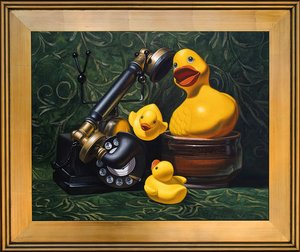
paul grießer (toy duck)
1894 - 1964 , Germany
Quick Facts
- Artistic Movement Or Style: Illustration, Painting
- Artists Or Movements Influenced By This Artist:
- Hudson River School
- Cubism
- Artists Who Influenced This Artist:
- George Inness
- Claude Lorrain
- Date Of Birth: February 3, 1894
- Date Of Death: November 8, 1978
- Full Name: Norman Percevel Rockwell
- Nationality: American
- Notable Artworks:
- Willie Gillis
- Rosie the Riveter
- Four Freedoms
- Saying Grace
- Place Of Birth: New York City, USA