 Preview
 Send
Send Share
Share
 Details

 Download
 Similars
 X-Ray
X-Ray Diaporama
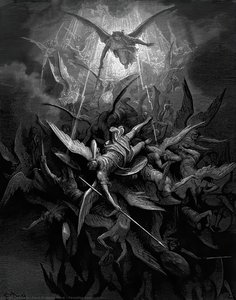
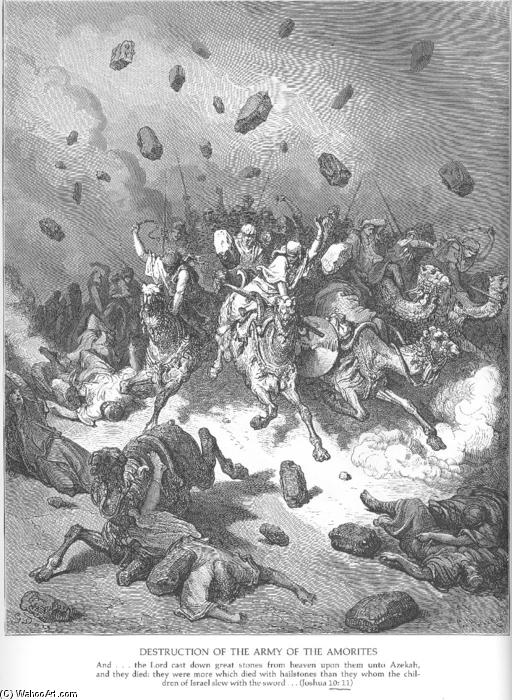
The Army of the Amorites Is Destroyed

 Read More
Giclée / Art Print
Museum-quality giclée or canvas print with fast production and flexible finish options. ( Buy Hand Made Painting Buy Image)




P118B $10

P118H $10

P118W $10

P438Z $10

P508JH $12

P508YH $12

P805H $10

P805Z $10

P919BZ $10

P919G $10

P919XJ $10

P959ZH $10

P968JZ $12

W106C $8

W218G $10

W218JH $8

W218Y $10

W307PJ $10

W316G $10

W316PJ $8

W316Y $10

W398PJ $8

W4111J $10

W500HY $15

W500JH $15

W692G $12

W849H $8

W940BG $15

W953PJ $8




Pick from our preset sizes that match the artwork's original proportions.

You may enter your own dimensions to fit a specific frame or space. If your selected size does not match the original image's proportions, we will either crop the artwork or extend the image with a mirrored or solid-fill edge. A digital mockup will be sent for your approval before production begins.
Please note that the on-screen preview does not reflect the actual cropping or extension. Only the mockup will accurately show the final composition.
While custom sizes are available, we recommend selecting a dimension from the predefined list to preserve the original proportions.
Worldwide Delivery () in 2 weeks instead of standard 4/5 weeks. (26 August)

Free Worldwide Express Shipping

High-Quality Linen Canvas

Full Shipping Insurance

Customs Tax Refund Guarantee

True Color Matching Guarantee

60-Day Return Policy (Defects Only)

100% Money-Back Guarantee

Bulk Discount Offer
 Glass option is only available in size under 110 CM

The Army of the Amorites Is Destroyed
Giclée / Art Print
Reproduction Size
-


Total Price
$ 63
Collectible Description
A Testament to Divine Judgment: Examining Gustave Doré’s “The Army of the Amorites Is Destroyed”
Paul Gustave Doré's "The Army of the Amorites Is Destroyed" stands as a monumental achievement in Romantic illustration, capturing not merely a biblical narrative but also the profound anxieties and spiritual fervor of its era. Executed with meticulous detail in black and white—a technique favored by wood engraving—the artwork transcends simple depiction to become an immersive experience for the viewer, prompting contemplation on themes of powerlessness before divine wrath and the enduring struggle between faith and destruction.- Subject Matter & Narrative Context: The image portrays a dramatic confrontation between God’s forces and the Amorite army, recounted in Deuteronomy 20:1-4. Doré skillfully translates this biblical tale into visual language, conveying the terror and devastation experienced by those facing divine retribution. It's a scene steeped in religious symbolism, reflecting anxieties prevalent during the Victorian period regarding morality and judgment.
- Style & Technique – The Power of Line: Doré’s masterful command of line is immediately apparent. Employing wood engraving—a laborious process requiring painstaking carving into a wooden block followed by meticulous ink transfer—he achieved an unparalleled level of tonal gradation and textural richness. Cross-hatching, hatching, and burnishing techniques were skillfully deployed to build up layers of shading, creating a palpable sense of depth and simulating the appearance of weathered stone or hammered metal – elements crucial in conveying the monumental scale of the destruction depicted.
- Composition & Visual Dynamics: The composition is deliberately unsettling, prioritizing movement and chaos over conventional perspective. Diagonal lines dominate the image—representing falling rocks—drawing the eye upwards towards the heavens while simultaneously emphasizing the downward trajectory of bodies and projectiles. This dynamic arrangement underscores the overwhelming force of God’s intervention and contributes significantly to the artwork's emotional impact.
- Symbolism & Emotional Resonance: Beyond its narrative content, “The Army of the Amorites Is Destroyed” resonates deeply with symbolic imagery. The colossal rocks plummeting from above serve as potent emblems of divine judgment, representing God’s righteous fury against human pride and disobedience. The fallen warriors embody vulnerability and despair, capturing the psychological toll of confronting an inescapable fate. Doré's expressive rendering of faces—particularly those of the soldiers—captures moments of terror and determination, conveying a powerful emotional core.
- Historical Significance & Legacy: Published in 1867 as part of Milton’s *Paradise Lost*, Doré’s engraving cemented his reputation as one of the foremost illustrators of his time. It exemplifies the Romantic preoccupation with grand narratives and dramatic visual storytelling, influencing generations of artists who followed. Today, reproductions of “The Army of the Amorites Is Destroyed” continue to inspire awe and provoke reflection on themes of faith, morality, and the consequences of transgression—a testament to Doré’s enduring artistic vision.
Related Artworks
Artist Biography
A Life Etched in Shadow and Light: The World of Gustave Doré
Paul Gustave Louis Christophe Doré, known to the world as Gustave Doré, was a figure who straddled the worlds of illustration, painting, and sculpture with an astonishing virtuosity. Born in Strasbourg, France, on January 6th, 1832, his life unfolded during a period of immense social and artistic change, a time when Romanticism still held sway but was giving way to new currents of realism and symbolism. Even as a child, Doré displayed a precocious talent, not merely in drawing—which he began at an incredibly young age—but also in a personality that hinted at the dramatic flair which would come to define his work. Stories abound of youthful pranks demonstrating a maturity beyond his years, foreshadowing the complex and often melancholic themes that would permeate his art. He embarked on his professional career remarkably early, at just fifteen years old, as a caricaturist for the French journal *Le Journal pour rire*, honing his skills in observation and composition within the bustling world of Parisian satire.From Caricature to Literary Giants: The Rise of an Illustrator
Doré’s early commissions laid the foundation for his future renown. Works like *Les Travaux d'Hercule* (1847), *Trois artistes incompris et mécontents* (1851), and *Les Dés-agréments d'un voyage d'agrément* (1851) showcased a burgeoning talent for dynamic composition and a masterful use of light and shadow, even in these relatively modest beginnings. He was deeply influenced by the illustrations of J.J. Grandville, whose fantastical imagery and satirical edge resonated with Doré’s own developing style. However, it was through his collaborations with literary giants that Doré truly ascended to prominence. In 1853, he received a commission to illustrate the works of Lord Byron, an undertaking which opened doors to further prestigious projects. The monumental task of illustrating the Bible followed, a project that would cement his reputation and bring his art before a vast international audience. His illustrations for Cervantes’ *Don Quixote* in the 1860s were particularly impactful, profoundly influencing subsequent interpretations of the characters and narrative. He didn't simply illustrate these stories; he reimagined them, imbuing them with a dramatic intensity that captured the imagination of readers worldwide. The oversized edition of Edgar Allan Poe’s “The Raven,” completed in 1883, earned him an impressive 30,000 francs from Harper & Brothers, demonstrating the commercial success alongside the artistic acclaim he had achieved. His collaboration with Blanchard Jerrold on *London: A Pilgrimage* (1872) was a particularly poignant and controversial work, depicting the stark realities of Victorian London’s poverty and sparking debate about social conditions.A Master of Technique: Wood Engraving and Romantic Vision
Doré's artistic prowess lay not only in his imaginative vision but also in his technical mastery, particularly in wood engraving. He possessed an extraordinary ability to create incredibly detailed and dramatic images through this medium, a skill that allowed for the mass production and widespread dissemination of his work. His compositions are characterized by their dynamism, strong contrasts between light and shadow—a technique known as chiaroscuro—and a sense of grandeur that often evokes a feeling of awe or even terror. He frequently employed a large team of block-cutters to translate his designs into wood engravings, enabling the efficient production needed to meet the demands of publishers and readers alike. His style is firmly rooted in the Romantic tradition, emphasizing emotion, imagination, and the sublime—a fascination with the overwhelming power of nature and the human condition. He wasn’t merely recording scenes; he was interpreting them through a lens of heightened emotionality and dramatic flair. This approach, while celebrated by many, also drew criticism from some contemporaries who found his work overly theatrical or sensationalized.Legacy and Enduring Influence
Gustave Doré received the honor of being made a Chevalier de la Légion d'honneur by the French government in 1861, a testament to his growing recognition within artistic circles. However, his true legacy extends far beyond awards and accolades. His illustrations had a profound impact on visual culture, influencing artists and readers for generations. Vincent van Gogh was among those deeply inspired by Doré’s work, particularly his depictions of suffering and hardship, recognizing in them a shared sensitivity to the plight of humanity. Despite facing some criticism during his lifetime—some found his style overly dramatic or lacking in subtlety—Doré’s work is now celebrated for its artistic merit and historical importance. His illustrations continue to shape our understanding of classic literature and Victorian society, offering a powerful visual interpretation of timeless stories and enduring themes. He died on January 23rd, 1883, leaving behind an immense body of work that continues to captivate and inspire. His art remains a testament to the power of illustration to not only depict but also to interpret and transform the world around us.Notable Works
- Flower Sellers of London (1875): A poignant depiction of Victorian poverty and resilience, showcasing familial bonds amidst hardship.
- The Christian Martyrs: A dramatic masterpiece depicting faith and persecution with powerful emotion.
- Illustrations for Dante’s Inferno: Perhaps his most iconic work, these engravings brought the terrifying visions of Dante's hell to life with unparalleled intensity.
- Illustrations for Milton’s Paradise Lost: Doré’s interpretation of this epic poem is renowned for its grandeur and dramatic flair.
- The Wandering Jew (1856): A popular work, though it contains antisemitic undertones reflective of the time period.
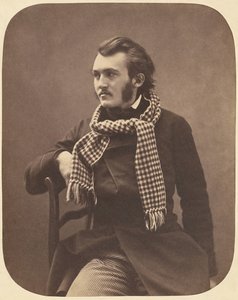
Paul Gustave Doré
1832 - 1883 , France
Quick Facts
- Artistic Movement Or Style: Romanticism
- Artists Or Movements Influenced By This Artist: ['Vincent van Gogh']
- Artists Who Influenced This Artist: ['J.J. Grandville']
- Date Of Birth: January 6, 1832
- Date Of Death: January 23, 1883
- Full Name: Paul Gustave Doré
- Nationality: French
- Notable Artworks:
- Don Quixote
- The Raven
- London: A Pilgrimage
- The Bible
- Dante's Inferno
- Place Of Birth: Strasbourg, France
Related Articles
Paul Gustave Doré: A Master of Romantic Realism & the Illustrated Imagination
Explore the captivating world of Gustave Doré, master of Romantic realism & iconic illustrator. Discover his dramatic wood engravings, paintings, and sculptures – a legacy shaping art history. Learn more at ArtsDot.
High Medieval Art: 10 Masterpieces That Shaped an Era | ArtsDot
Journey through High Medieval Art! Explore 10 iconic masterpieces – from Giotto's frescoes to stunning Gothic cathedrals. Discover the stories behind these timeless paintings, sculptures & illuminated manuscripts. Find museum-quality art reproductions at ArtsDot.com.

Angelo Chiacchio: A Mid-Century American Illustration Master & the Rise of Commercial Art
Explore the captivating world of Angelo Chiacchio, a master of mid-century American illustration. Discover his evolution, signature style, and lasting impact on commercial art & design. Learn about his legacy at the Museum of American Illustration.

Kay Rasmus Nielsen: A Golden Age Illustrator's Enchanting Legacy of Symbolism & Narrative
Explore the captivating world of Kay Rasmus Nielsen, a celebrated Golden Age illustrator renowned for his Art Nouveau fairy tale art & Disney contributions. Discover his unique style, enduring legacy, and how to collect his enchanting works.

The Refined Aesthetic of Victorian Illustration: A Study in Narrative & Technique
Explore the captivating world of Victorian illustration! Discover Pre-Raphaelite influences, key artists like Rossetti & Stephens, and the era's rich narrative detail. A deep dive for art enthusiasts.