

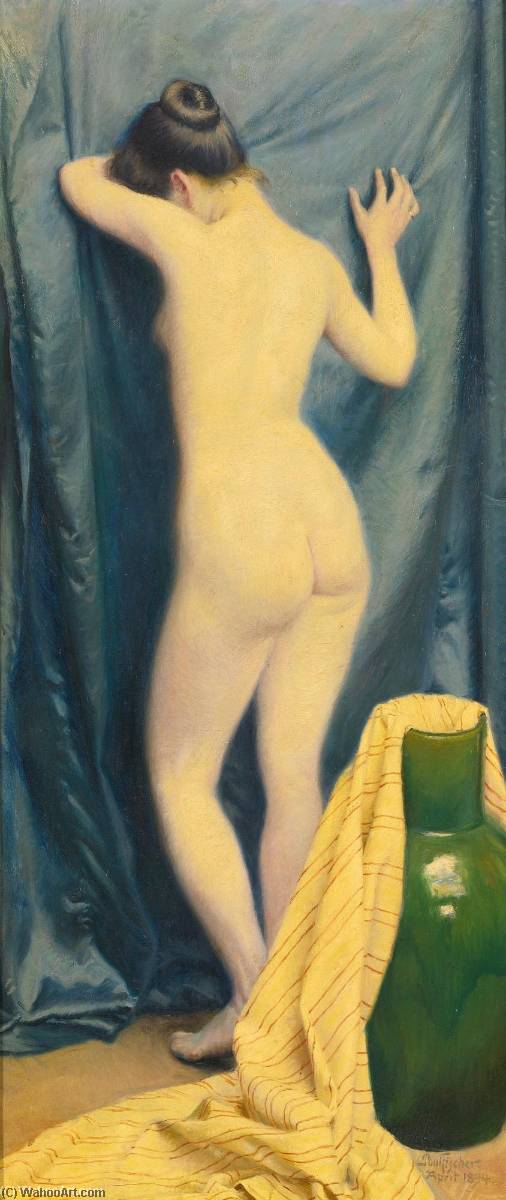
 Preview
 Send
Send Share
Share
 Details

 Download
 Similars
 X-Ray
X-Ray Diaporama
Model
 79.0 x 34.0 cm
 Read More
Purchase a high-resolution, enhanced digital image, far superior to the online preview.
Each file is meticulously prepared by our in-house specialists using advanced tools and expert manual retouching. We ensure every image has exceptional clarity, precise color accuracy, and fine detail.
The final file is delivered via email within 72 hours, optimized for immediate use in professional, editorial, and print environments. This is the same quality trusted by top-tier design studios, publishers, and galleries.
Digital Image
Download a high-resolution file for personal display, printing, and creative projects. ( Buy Print Buy Hand Made Painting)
Included in Every Digital Image Order
Expert Digital Delivery, Guaranteed
When you choose ArtsDot.com, you're not just getting an image - you're receiving a professionally enhanced digital artwork, crafted with precision and backed by a satisfaction guarantee. Here's everything that comes with your order, automatically:

Fast Email Delivery
Your high-resolution digital image file will be emailed to you within 72 hours of ordering - ready for immediate use.

AI-Enhanced Digital File
Your artwork is professionally optimized using advanced AI tools and manual editing, ensuring maximum detail, clarity, and color accuracy.

Free Lifetime Re-Delivery
Accidentally deleted or lost your file? No worries - we'll resend it to you anytime, free of charge.

No Import Fees - Ever
Enjoy your artwork instantly with zero customs, duties, or delivery fees - digital downloads are always tax-free.

Color Accuracy Guarantee
We ensure your digital image reflects the original colors as closely as possible using professional tools and color management.

60-Day Satisfaction Guarantee
If you're not satisfied with your digital image, we'll revise it or refund 100% within 60 days - no questions asked.

100% Money-Back Guarantee
Not satisfied? Get a full refund within 60 days of receiving your digital file - no questions asked.

Bulk Order Discounts
Buy 3 images, save 10% - Buy 5, save 15% - Buy 10+, save 20%. Great for creative projects, galleries, and agencies.
Related Artworks


Artist Biography
Walter Richard Sickert: A Shadowy Figure of London’s Modernist Scene
Walter Richard Sickert, born in 1860 amidst the burgeoning artistic landscape of late Victorian England, remains a figure of intriguing complexity and enduring fascination. More than just a painter, he was a keen observer of urban life, a master of capturing fleeting moments and the subtle nuances of human interaction within the grimy streets and smoky pubs of London. His career spanned nearly eight decades, witnessing and profoundly shaping the transition from Impressionism to the more experimental currents of Modern art – a journey marked by both critical acclaim and persistent controversy. Sickert’s work isn't easily categorized; he resisted easy labels, preferring to paint what he saw with an unflinching eye, often focusing on subjects deemed unconventional for his time: prostitutes, street performers, and the everyday lives of London’s working class.Early Life and Influences – A German Roots in a Changing World
Born in Hanover, Germany, Sickert's family relocated to England when he was just a young boy, settling in Kensington. This early exposure to a new culture undoubtedly shaped his artistic sensibilities. His formal training began at the Slade School of Fine Art in London, where he studied under John Ruskin and Frederic Leighton – figures whose influence is evident in his early works, characterized by a meticulous attention to detail and a classical sensibility. However, Sickert quickly grew disillusioned with the rigid academic traditions of the school, seeking instead to forge his own path. He was deeply influenced by the burgeoning world of photography, particularly the work of Matthew Brady, which he saw as a means of capturing reality with unprecedented accuracy. This fascination with photographic techniques would later inform his own approach to composition and subject matter, often employing cropped views and stark lighting reminiscent of photographs. Furthermore, Sickert’s travels throughout Europe – including Paris, Italy, and Spain – exposed him to diverse artistic styles and traditions, enriching his visual vocabulary and contributing to his distinctive aesthetic.The Camden Town Group and a Rejection of Idealism
In the early 1900s, Sickert became a central figure in the Camden Town Group, a collective of artists who rejected the prevailing artistic conventions of the time. This group, centered around the bohemian district of Camden Town, sought to capture the gritty reality of London life – its poverty, its squalor, and its vibrant undercurrents of entertainment. Unlike the idealized landscapes favored by many of his contemporaries, Sickert depicted scenes of urban decay with a frankness that often shocked critics. His paintings frequently featured prostitutes, street musicians, and pub patrons, subjects considered taboo for polite society at the time. The group’s rejection of academic standards and their embrace of a more direct and unvarnished approach to representation marked a significant shift in British art, paving the way for future generations of avant-garde artists. Sickert's work during this period is characterized by loose brushwork, bold colors, and a deliberate disregard for traditional perspective – techniques that reflected his desire to capture the immediacy and dynamism of urban life.Technique and Style: Shadow, Light, and the Human Figure
Sickert’s artistic style evolved considerably throughout his career, but certain key elements remained constant. He was a master of using light and shadow to create mood and atmosphere, often employing dramatic contrasts to heighten the emotional impact of his scenes. His compositions frequently featured cropped views, drawing the viewer's attention to specific details and creating a sense of intimacy. He was particularly adept at capturing the fleeting expressions on the faces of his subjects – a skill that contributed significantly to the psychological depth of his portraits. Sickert’s use of color was often muted and earthy, reflecting the grimy atmosphere of London’s streets. However, he also employed vibrant hues to create moments of visual excitement. Crucially, Sickert's work is defined by its exploration of the human figure – not as idealized forms but as individuals caught in everyday situations, revealing their vulnerabilities and complexities.Controversy and Legacy – A Shadowed Reputation
Despite his artistic achievements, Sickert’s career was often overshadowed by controversy. In 1941, during the Blitz, he was investigated by police as a suspect in the Jack the Ripper murders—a sensational accusation that ultimately proved unfounded but significantly damaged his reputation. While this episode undoubtedly cast a shadow over his work, it's important to recognize that Sickert’s artistic vision remained remarkably consistent throughout his life. He continued to paint prolifically until his death in 1942, producing a vast and diverse body of work that continues to be studied and admired by art historians today. Sickert’s legacy lies not only in his innovative techniques and his unflinching portrayal of London’s underbelly but also in his willingness to challenge conventional artistic norms and to explore the darker aspects of human experience. He remains a pivotal figure in British Modernism, a shadowy yet undeniably influential artist whose work continues to provoke thought and inspire debate.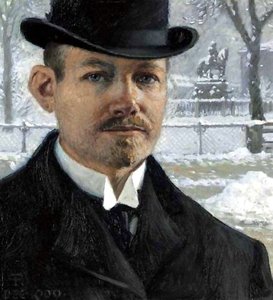
paul gustave fischer
1860 - 1934 , Denmark
Quick Facts
- Artistic Movement Or Style: British Impressionism
- Artists Or Movements Influenced By This Artist: ['Post-Impressionism']
- Artists Who Influenced This Artist: ['Impressionists']
- Date Of Birth: May 31, 1860
- Date Of Death: January 22, 1942
- Full Name: Walter Richard Sickert
- Nationality: British
- Notable Artworks:
- Brighton Pierrots
- London Group
- Camden Town Group
- Place Of Birth: Berlin, Germany

