

 Preview
 Send
Send Share
Share
 Details

 Download
 Similars
 X-Ray
X-Ray Diaporama
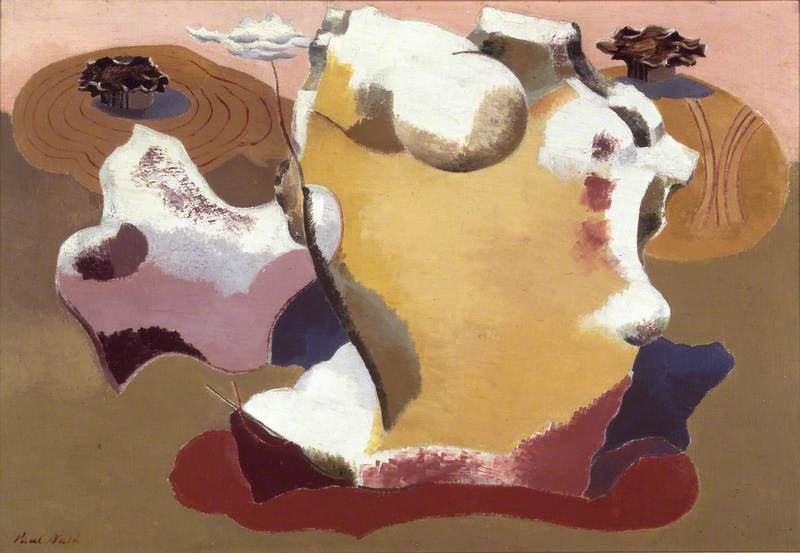
Landscape of the Megaliths
 Acrylic On Canvas
- WallArt
- Modernism
 1934
1934 50.0 x 73.0 cm
 British Council Collection
 Read More
Purchase a high-resolution, enhanced digital image, far superior to the online preview.
Each file is meticulously prepared by our in-house specialists using advanced tools and expert manual retouching. We ensure every image has exceptional clarity, precise color accuracy, and fine detail.
The final file is delivered via email within 72 hours, optimized for immediate use in professional, editorial, and print environments. This is the same quality trusted by top-tier design studios, publishers, and galleries.
Digital Image
Download a high-resolution file for personal display, printing, and creative projects. ( Buy Print Buy Hand Made Painting)
Included in Every Digital Image Order
Expert Digital Delivery, Guaranteed
When you choose ArtsDot.com, you're not just getting an image - you're receiving a professionally enhanced digital artwork, crafted with precision and backed by a satisfaction guarantee. Here's everything that comes with your order, automatically:

Fast Email Delivery
Your high-resolution digital image file will be emailed to you within 72 hours of ordering - ready for immediate use.

AI-Enhanced Digital File
Your artwork is professionally optimized using advanced AI tools and manual editing, ensuring maximum detail, clarity, and color accuracy.

Free Lifetime Re-Delivery
Accidentally deleted or lost your file? No worries - we'll resend it to you anytime, free of charge.

No Import Fees - Ever
Enjoy your artwork instantly with zero customs, duties, or delivery fees - digital downloads are always tax-free.

Color Accuracy Guarantee
We ensure your digital image reflects the original colors as closely as possible using professional tools and color management.

60-Day Satisfaction Guarantee
If you're not satisfied with your digital image, we'll revise it or refund 100% within 60 days - no questions asked.

100% Money-Back Guarantee
Not satisfied? Get a full refund within 60 days of receiving your digital file - no questions asked.

Bulk Order Discounts
Buy 3 images, save 10% - Buy 5, save 15% - Buy 10+, save 20%. Great for creative projects, galleries, and agencies.
Collectible Description
Landscape of the Megaliths: An Exploration of Form and Memory
Paul Nash’s “Landscape of the Megaliths,” completed in 1934, stands as a cornerstone of British Surrealist art and a testament to Nash's profound engagement with both landscape painting traditions and the burgeoning anxieties of his time. This monumental canvas—measuring 50 x 73 cm—holds within its textured surface an arresting depiction of prehistoric stones arranged in circles against a muted tonal palette, capturing not merely visual impressions but also a palpable sense of displacement and psychological resonance.The Painter's Vision: Style and Technique
Nash’s artistic approach defied conventional realism, prioritizing abstraction to convey deeper emotional truths. He eschewed meticulous detail, opting instead for loose brushstrokes that imbue the painting with an expressive dynamism. The artist skillfully employed a technique reminiscent of Turner—particularly in capturing atmospheric perspective—to create a sense of vastness and mystery. However, unlike Turner’s romantic landscapes brimming with light and color, Nash deliberately subdued his palette, favoring earthy browns and beige hues accented by splashes of cool blues and whites. This restrained coloration contributes to the painting's melancholic mood and underscores its preoccupation with geological time and the enduring presence of ancient monuments.Historical Context: Surrealism and Prehistoric Echoes
“Landscape of the Megaliths” emerged during a period marked by significant intellectual upheaval—the rise of Surrealism—and fueled by anxieties surrounding impending war. Surrealist artists sought to liberate the subconscious mind from rational constraints, exploring dreamlike imagery and illogical juxtapositions. Nash’s work aligns powerfully with this movement's ethos, presenting a landscape that feels simultaneously familiar and unsettling. The artist drew inspiration from sites of prehistoric ritual and burial mounds—particularly Stonehenge—reflecting a fascination with megalithic structures as symbols of human history and the cyclical nature of time. These monuments served as visual anchors for Nash’s contemplation on mortality and the enduring influence of the past on the present.Symbolism: Circles, Stones, and Psychological Depth
The dominant motif in “Landscape of the Megaliths” – circular arrangements of stones – transcends mere topographical representation; they embody concepts of wholeness, continuity, and ritualistic significance. These circles dominate the composition, creating a visual rhythm that draws the viewer’s eye inward, mirroring perhaps the artist's own exploration of inner landscapes. The textured surfaces of the stone forms evoke a sense of geological permanence, hinting at epochs beyond human comprehension. Furthermore, Nash’s deliberate use of muted colors and atmospheric perspective contributes to an emotional impact rooted in contemplation and melancholy—a reflection of the anxieties inherent in confronting the immensity of time and the inevitability of decay.Concluding Reflection: An Artistic Legacy
“Landscape of the Megaliths” remains a captivating artwork, not only for its masterful technique but also for its profound psychological depth. It exemplifies Nash’s ability to transform visual observation into evocative symbolism—a skill that cemented his place as one of Britain's most important Surrealist painters and continues to inspire artists today. Its enduring appeal lies in its capacity to provoke contemplation on themes of memory, history, and the relationship between humanity and the natural world.Related Artworks
Artist Biography
Early Life and Influences
- Born: Kensington, United Kingdom (1889)
- Died: 1946
- Paul Nash was born on May 11, 1889, in London. His father, William Harry Nash, was a barrister, and his mother, Caroline Maude, displayed signs of mental illness from an early age. The family moved to Iver Heath, Buckinghamshire, when Paul was young, a move intended to benefit his mother's health.
- Education: He attended the Parsons School of Art and later the Slade School of Fine Art. While proficient in landscape painting, he struggled with figure drawing.
- Early Influences: Nash was heavily influenced by William Blake and J.M.W. Turner, evident in his early works. He also drew inspiration from landscapes featuring ancient historical elements like burial mounds and Iron Age hill forts.
Artistic Style and Development
- Style: Paul Nash's style blended modernism with traditional techniques. He utilized bold colors, geometric shapes, and abstract forms, distinguishing him from contemporaries.
- Surrealist Leanings: While not strictly a Surrealist, Nash was influenced by the movement, particularly after seeing a Giorgio de Chirico exhibition in 1928. His work incorporated symbolic landscapes with everyday objects.
- War Art: During World War I and II, Nash served as an official war artist. His depictions of battlefields were notable for their haunting beauty and exploration of the impact of conflict on the landscape. Notable works include "The Menin Road."
- "Aerial Creatures": A series produced during WWII featuring anthropomorphic depictions of aircraft crashed in landscapes, demonstrating his evolving style and symbolism.
Major Achievements and Recognition
- Pioneer of British Modernism: Nash played a crucial role in shaping British modern art, bridging traditional landscape painting with modernist aesthetics.
- War Art Legacy: His wartime paintings are considered iconic representations of the conflict's impact on both soldiers and the environment.
- Unit One Group: He co-founded Unit One in 1933 alongside Ben Nicholson and Barbara Hepworth, a significant group within the British art scene.
- Writer and Designer: Beyond painting, Nash was also a respected writer on art and designed applied arts such as stage scenery, fabrics, and posters.
Influences and Legacy
- Influence on Subsequent Artists: Nash's unique style and use of color influenced generations of artists who followed.
- Connection to Romanticism: His work is often linked to the English Romantic tradition, particularly through his connection to William Blake and J.M.W. Turner.
- Exploration of Man vs. Nature: A recurring theme in Nash's later works was the relationship between humanity and nature, explored through symbolic imagery.
- Continued Relevance: His paintings continue to be celebrated for their beauty, symbolism, and historical significance, remaining relevant to contemporary audiences.
Exhibitions and Collections
- Ruskin Gallery: Nash's work has been exhibited at the Ruskin Gallery in the United Kingdom.
- Tate Britain: His pieces can be found within the Tate Britain’s collection.
- Imperial War Museum: Several of his war art pieces are housed in the Imperial War Museum.
- York Art Gallery: His work is also part of the York Art Gallery's collection.
- Government Art Collection: A selection of Nash’s artworks are displayed within the Government Art Collection.
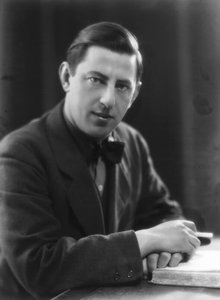
Paul Nash
1889 - 1946 , United Kingdom
Quick Facts
- Artistic Movement Or Style: Surrealism, Modernism
- Artists Or Movements Influenced By This Artist: ['Modern artists']
- Artists Who Influenced This Artist:
- William Blake
- J.M.W. Turner
- Wolfgang Lettl
- Date Of Birth: May 11, 1889
- Date Of Death: July 11, 1946
- Full Name: Paul Nash
- Nationality: British
- Notable Artworks: ['The Menin Road']
- Place Of Birth: Kensington, United Kingdom

