

 Preview
 Send
Send Share
Share
 Details

 Download
 Similars
 X-Ray
X-Ray Diaporama
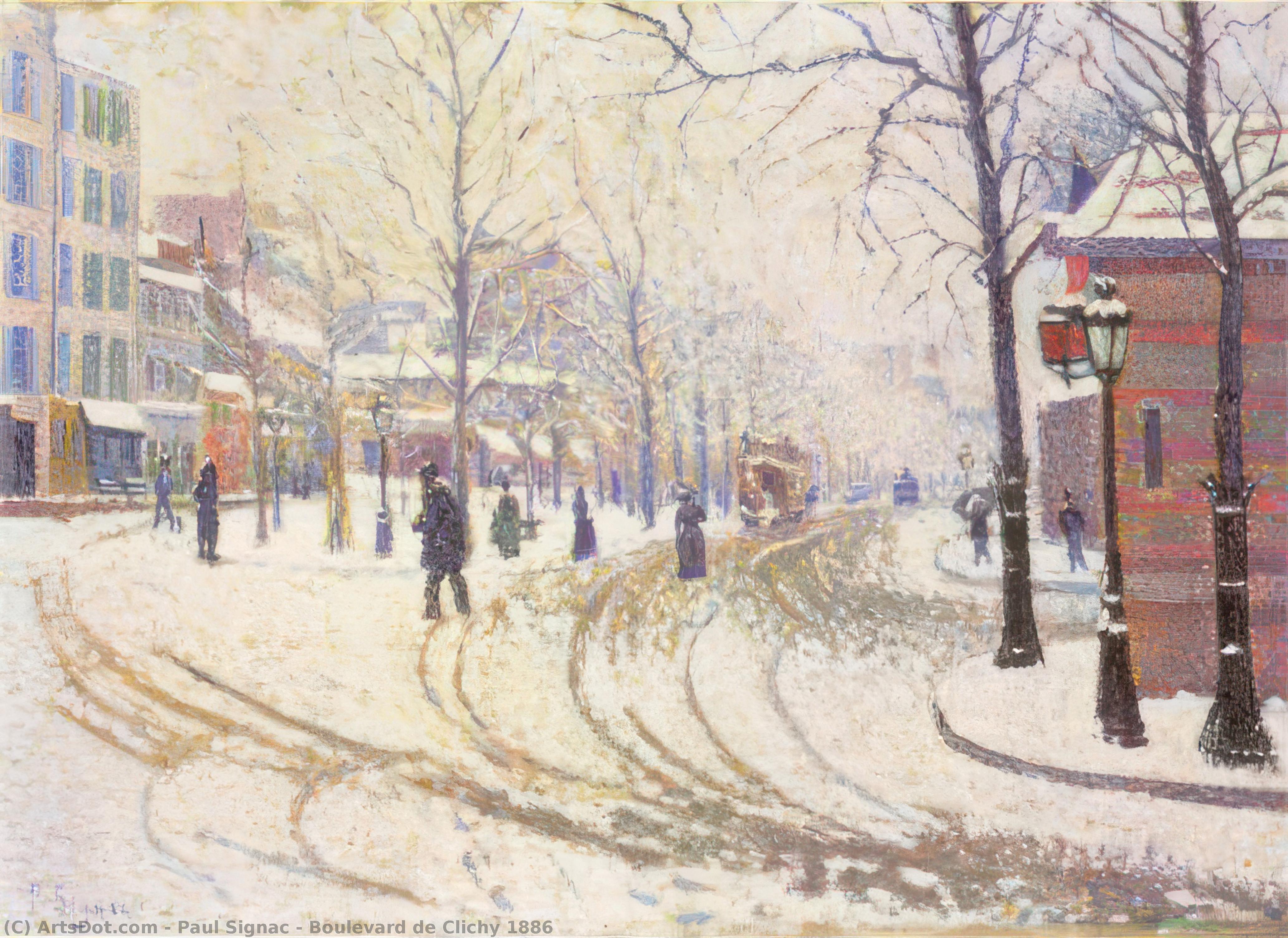
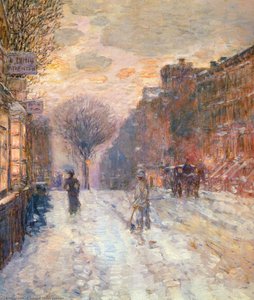
Boulevard de Clichy 1886
 Oil On Canvas
- WallArt
- Neo-Impressionism
 1886
1886- 19th Century
 18.0 x 25.0 cm
 Read More
Purchase a high-resolution, enhanced digital image, far superior to the online preview.
Each file is meticulously prepared by our in-house specialists using advanced tools and expert manual retouching. We ensure every image has exceptional clarity, precise color accuracy, and fine detail.
The final file is delivered via email within 72 hours, optimized for immediate use in professional, editorial, and print environments. This is the same quality trusted by top-tier design studios, publishers, and galleries.
Digital Image
Download a high-resolution file for personal display, printing, and creative projects. ( Buy Print Buy Hand Made Painting)
Included in Every Digital Image Order
Expert Digital Delivery, Guaranteed
When you choose ArtsDot.com, you're not just getting an image - you're receiving a professionally enhanced digital artwork, crafted with precision and backed by a satisfaction guarantee. Here's everything that comes with your order, automatically:

Fast Email Delivery
Your high-resolution digital image file will be emailed to you within 72 hours of ordering - ready for immediate use.

AI-Enhanced Digital File
Your artwork is professionally optimized using advanced AI tools and manual editing, ensuring maximum detail, clarity, and color accuracy.

Free Lifetime Re-Delivery
Accidentally deleted or lost your file? No worries - we'll resend it to you anytime, free of charge.

No Import Fees - Ever
Enjoy your artwork instantly with zero customs, duties, or delivery fees - digital downloads are always tax-free.

Color Accuracy Guarantee
We ensure your digital image reflects the original colors as closely as possible using professional tools and color management.

60-Day Satisfaction Guarantee
If you're not satisfied with your digital image, we'll revise it or refund 100% within 60 days - no questions asked.

100% Money-Back Guarantee
Not satisfied? Get a full refund within 60 days of receiving your digital file - no questions asked.

Bulk Order Discounts
Buy 3 images, save 10% - Buy 5, save 15% - Buy 10+, save 20%. Great for creative projects, galleries, and agencies.
Collectible Description
A Winter's Tranquility in Paris
Paul Signac's "Boulevard de Clichy 1886" invites viewers into a serene winter scene on one of Paris' most iconic boulevards. This captivating artwork captures the quiet beauty of a snowy day, offering a moment of calm amidst the bustling city life.Composition and Perspective
The composition is masterfully balanced, with a central focus on the snow-covered street that draws the viewer's eye into the scene. Signac employs linear perspective to create a sense of depth, making the boulevard appear to recede into the distance. Buildings line both sides of the street, providing a framework for the scene, while leafless trees add vertical elements and texture.Color Palette and Lighting
The color palette is dominated by cool tones of white, blue, and gray, reflecting the snowy environment. Warm accents of brown, red, and yellow are used sparingly but effectively to highlight architectural details and add contrast. The lighting is soft and diffused, typical of an overcast winter day, contributing to the overall calm and serene mood of the painting.Pointillist Technique
This artwork is a prime example of Pointillism, a technique characterized by the use of small, distinct dots of color that blend in the viewer's eye to create a larger image. Signac's meticulous placement of dots creates a vibrant and lively scene despite the cool color palette. The visible brushstrokes add a sense of movement and life within the stillness of the scene.Historical Context
Painted in 1886, "Boulevard de Clichy" is part of Signac's Neo-Impressionist phase, a movement that sought to apply scientific principles to painting. This period saw Signac collaborating with Georges Seurat to develop the Pointillist technique. The artwork reflects the artists' fascination with capturing the effects of light and color in urban landscapes.Symbolism and Emotional Impact
The snowy landscape symbolizes tranquility and the quiet beauty of nature amidst urban life. The presence of people walking along the street adds a touch of everyday life, grounding the scene in reality. The artwork evokes a sense of peace and introspection, inviting viewers to pause and appreciate the beauty in ordinary moments.Why Choose This Artwork?
For art lovers, collectors, and interior designers, "Boulevard de Clichy 1886" offers a timeless piece that combines artistic innovation with emotional resonance. Its serene winter scene makes it an ideal addition to any space, bringing a touch of Parisian charm and tranquility. Whether you are looking to inspire your guests or create a calming atmosphere, this high-quality reproduction is sure to enhance your collection.Bring Parisian Elegance Home
Experience the magic of a snowy day in Paris with Paul Signac's "Boulevard de Clichy 1886." This exquisite artwork captures the essence of winter in the city, offering a moment of peace and beauty that transcends time. Elevate your space with this iconic piece and let the serene beauty of Paris inspire your daily life.Explore More by Paul Signac
Discover more vibrant Neo-Impressionist paintings by Paul Signac on our [artist page](https://ArtsDot.com/en/artists/paul-signac/). Explore his coastal scenes, Pointillist technique, and influence on Fauvism. View a collection of his works and find the perfect piece to enhance your art collection.High-Quality Reproductions
At ArtsDot.com, we offer hand-painted reproductions of famous artworks, ensuring that you receive a high-quality piece that captures the essence of the original. Our skilled artists meticulously recreate every detail, providing you with a beautiful and durable artwork that will stand the test of time.Contact Us
For more information or to place an order, contact us today. Let us help you bring the beauty of Paul Signac's "Boulevard de Clichy 1886" into your home or office. Experience the joy of owning a piece of art history and let it inspire your space.Related Artworks
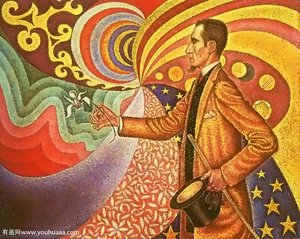
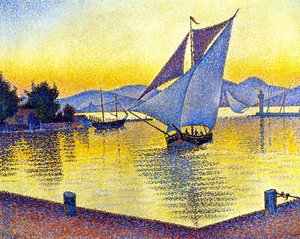
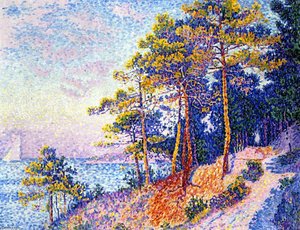
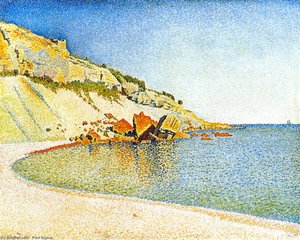
If you love "Boulevard de Clichy 1886," you might also enjoy these other works by Paul Signac: - [Opus 217. Against the Enamel of a Background Rhythmic with Beats and Angles, Tones, and Tints](https://ArtsDot.com/en/art/art/opus-217-by-paul-signac/) - [The Pine's Edge at Saint-Tropez](https://ArtsDot.com/en/art/art/the-pines-edge-at-saint-tropez-by-paul-signac/) Explore our collection of Neo-Impressionist artworks and find the perfect piece to enhance your space.Related Artworks
Artist Biography
The Harmonious Vision of Paul Signac
Paul Victor Jules Signac, born in Paris in 1863, emerged as a pivotal figure in the evolution of modern art, inextricably linked to the birth and development of Neo-Impressionism. Initially drawn to architecture, a youthful encounter with Claude Monet’s exhibition ignited within him an enduring passion for painting, setting him on a path that would redefine color theory and artistic expression. Signac wasn't merely a painter; he was a dedicated explorer of light, color, and the very science underpinning visual perception. His early works, though demonstrating Impressionistic leanings, quickly evolved under the profound influence of Georges Seurat, forging a partnership that birthed Pointillism – a technique characterized by the meticulous application of tiny, distinct dots of pure color intended to blend optically in the viewer’s eye. This wasn't simply about aesthetics; it was an attempt to systematize painting, grounding it in scientific principles and challenging conventional artistic norms.A Dialogue with Seurat and the Birth of Neo-Impressionism
The meeting between Signac and Seurat in 1884 proved transformative for both artists. They shared a fascination with Eugène Delacroix’s writings on color theory, particularly his exploration of complementary contrasts and the emotional impact of hue. Together, they embarked on a rigorous investigation into these principles, translating them into a revolutionary painting technique. Signac wholeheartedly embraced Seurat's vision, abandoning the fleeting brushstrokes of Impressionism for the precise, calculated application of points of color. Boulevard de Clichy (1886) stands as an early testament to this new approach, showcasing Signac’s meticulous style and his commitment to capturing the vibrancy of urban life through a scientific lens. However, their collaboration wasn't merely technical; it was intellectual, fueled by a shared desire to elevate painting to the level of a rigorous science. Signac became a devoted advocate for Seurat’s ideas, tirelessly promoting Neo-Impressionism and defending its principles against criticism. The tragic early death of Seurat in 1891 left Signac as the principal champion of their shared artistic vision, a role he embraced with unwavering dedication.Coastal Reveries and Artistic Independence
Following Seurat’s passing, Signac's artistic journey took on a new dimension, deeply influenced by his profound love for sailing and the allure of the Mediterranean coast. He discovered Saint-Tropez in 1892, establishing a home there that became a haven for artists and a source of endless inspiration. The shimmering waters, sun-drenched harbors, and picturesque coastal towns provided an ideal setting to explore the interplay of light and color. The Red Buoy, Saint-Tropez (1895) exemplifies this period, showcasing his mastery of Pointillism in capturing the vibrant hues and dynamic energy of the sea. His technique evolved, becoming more fluid and expressive while retaining its scientific foundation. He began to experiment with larger brushstrokes and a broader palette, moving beyond strict adherence to Seurat’s precise dotting method. Signac's travels extended beyond France, encompassing Italy, Holland, and even Constantinople, each journey enriching his artistic vocabulary and broadening his perspective.A Patron of the Avant-Garde and Lasting Legacy
Beyond his own artistic pursuits, Signac played a crucial role in fostering the development of modern art through his leadership within the Société des Artistes Indépendants. As president from 1908 until his death in 1935, he championed artistic freedom and provided a platform for emerging talents, including Henri Matisse, André Derain, and other pioneers of Fauvism and Cubism. He was among the first to recognize and support their groundbreaking work, exhibiting controversial pieces that challenged conventional aesthetic norms. Signac’s commitment to inclusivity and his willingness to embrace innovation helped shape the trajectory of 20th-century art. His theoretical writings, notably From Eugène Delacroix to Neo-Impressionism (1899), further solidified his position as a leading intellectual figure in the art world. Paul Signac’s legacy extends far beyond his captivating paintings; he was a visionary artist, a dedicated theorist, and a generous patron who profoundly influenced the course of modern art, leaving an indelible mark on generations of artists to come.Key Dates & Achievements
- 1863: Born in Paris, France.
- 1884: Co-founded the Société des Artistes Indépendants with Georges Seurat.
- 1886: Painted *Boulevard de Clichy*, a key example of early Pointillism.
- 1895: Created *The Red Buoy, Saint-Tropez*, showcasing his mastery of coastal scenes.
- 1899: Published *From Eugène Delacroix to Neo-Impressionism*, a seminal work on color theory.
- 1908 – 1935: Served as President of the Société des Artistes Indépendants, championing avant-garde artists.
- 1935: Passed away in Paris at the age of 72, leaving behind a rich artistic legacy.
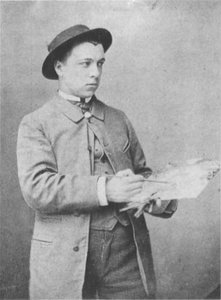
Paul Signac
1863 - 1935 , France
Quick Facts
- Artistic Movement Or Style: Neo-Impressionism, Pointillism
- Artists Or Movements Influenced By This Artist:
- Henri Matisse
- Fauvism
- André Derain
- Artists Who Influenced This Artist:
- Claude Monet
- Georges Seurat
- Date Of Birth: November 11, 1863
- Date Of Death: August 15, 1935
- Full Name: Paul Victor Jules Signac
- Nationality: French
- Notable Artworks:
- Boulevard de Clichy
- The Red Buoy
- La Valleuse
- The Velodrome
- Town Beach, Collioure
- Place Of Birth: Paris, France

