

 Preview
 Send
Send Share
Share
 Details

 Download
 Similars
 X-Ray
X-Ray Diaporama
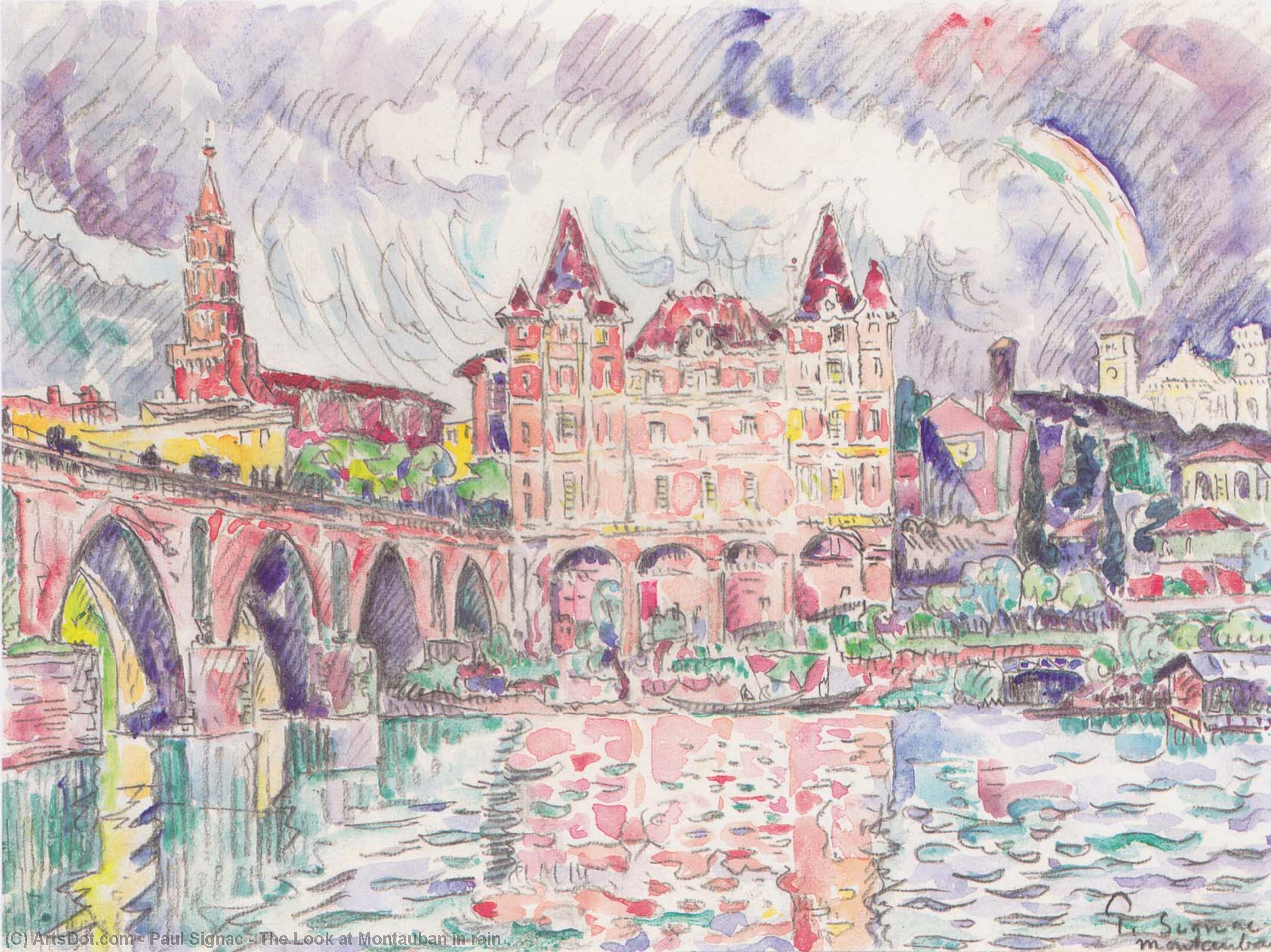
The Look at Montauban in rain
 Watercolor
- WallArt
- Neo-Impressionism
 1922
1922 27.0 x 37.0 cm
 Read More
Purchase a high-resolution, enhanced digital image, far superior to the online preview.
Each file is meticulously prepared by our in-house specialists using advanced tools and expert manual retouching. We ensure every image has exceptional clarity, precise color accuracy, and fine detail.
The final file is delivered via email within 72 hours, optimized for immediate use in professional, editorial, and print environments. This is the same quality trusted by top-tier design studios, publishers, and galleries.
Digital Image
Download a high-resolution file for personal display, printing, and creative projects. ( Buy Print Buy Hand Made Painting)
Included in Every Digital Image Order
Expert Digital Delivery, Guaranteed
When you choose ArtsDot.com, you're not just getting an image - you're receiving a professionally enhanced digital artwork, crafted with precision and backed by a satisfaction guarantee. Here's everything that comes with your order, automatically:

Fast Email Delivery
Your high-resolution digital image file will be emailed to you within 72 hours of ordering - ready for immediate use.

AI-Enhanced Digital File
Your artwork is professionally optimized using advanced AI tools and manual editing, ensuring maximum detail, clarity, and color accuracy.

Free Lifetime Re-Delivery
Accidentally deleted or lost your file? No worries - we'll resend it to you anytime, free of charge.

No Import Fees - Ever
Enjoy your artwork instantly with zero customs, duties, or delivery fees - digital downloads are always tax-free.

Color Accuracy Guarantee
We ensure your digital image reflects the original colors as closely as possible using professional tools and color management.

60-Day Satisfaction Guarantee
If you're not satisfied with your digital image, we'll revise it or refund 100% within 60 days - no questions asked.

100% Money-Back Guarantee
Not satisfied? Get a full refund within 60 days of receiving your digital file - no questions asked.

Bulk Order Discounts
Buy 3 images, save 10% - Buy 5, save 15% - Buy 10+, save 20%. Great for creative projects, galleries, and agencies.
Collectible Description
A Rainy Day Reverie in Montauban
Paul Signac’s captivating vision, The Look at Montauban in rain, transports the viewer directly into a moment suspended between the melancholy beauty of a downpour and the enduring spirit of French artistry. This painting is more than just a depiction of a city scene; it is an immersion into light filtered through water, where every arch and reflected gleam tells a story of quiet contemplation. The composition is dominated by the graceful sweep of a large bridge, its structure mirrored perfectly in the slick, rain-soaked surface of the river below. One can almost hear the gentle patter of raindrops against the stone and the murmur of the current, drawing the observer into Signac’s intimate embrace of Montauban.
The Luminous Language of Neo-Impressionism
Technically, this work stands as a masterful testament to Neo-Impressionism. Paul Signac, deeply influenced by the scientific rigor of color theory pioneered by Georges Seurat, employed his signature technique—the meticulous placement of small dots of pure color. This method is not merely decorative; it is an optical science designed to trick the eye into blending hues, creating a vibrant luminosity that seems to emanate from within the canvas itself. While the overall effect feels loose and spontaneous, characteristic of post-impressionist freedom, the underlying structure is one of calculated, harmonious color placement. The interplay between the cool blues and purples dominating the palette, punctuated by warm accents of yellow and green on the distant buildings, creates a palpable depth that rewards close inspection.
Symbolism of Light Amidst Shadow
The choice to depict Montauban in the rain imbues the piece with profound symbolism. Rain, in art, often symbolizes cleansing, renewal, or introspection. Here, it softens the hard edges of urban life, allowing the architecture—the steadfast church tower piercing the overcast sky, the contrasting red roofs—to emerge not through brute force, but through delicate suggestion. The reflections themselves become a key symbolic element; they represent memory and the way that moments, even fleeting ones like a rainy afternoon, are forever mirrored in our consciousness. It is a study in contrasts: the gray vastness of the sky against the persistent warmth suggested by the city's enduring presence.
Bringing Parisian Poetic Light Home
For collectors and designers alike, this reproduction offers an unparalleled opportunity to integrate a piece of modern art history into your living space. The size, 27 x 37 cm, makes it a perfect focal point—substantial enough to command attention yet intimate enough for a mantelpiece or gallery wall grouping. Owning this work is acquiring a dialogue with the masters; it speaks to an appreciation for structure, color theory, and the sublime beauty found in everyday natural phenomena. It promises not just decoration, but a daily moment of quiet, colorful contemplation, transforming any room into a sanctuary echoing the poetic spirit of Paul Signac.
Related Artworks

Artist Biography
The Harmonious Vision of Paul Signac
Paul Victor Jules Signac, born in Paris in 1863, emerged as a pivotal figure in the evolution of modern art, inextricably linked to the birth and development of Neo-Impressionism. Initially drawn to architecture, a youthful encounter with Claude Monet’s exhibition ignited within him an enduring passion for painting, setting him on a path that would redefine color theory and artistic expression. Signac wasn't merely a painter; he was a dedicated explorer of light, color, and the very science underpinning visual perception. His early works, though demonstrating Impressionistic leanings, quickly evolved under the profound influence of Georges Seurat, forging a partnership that birthed Pointillism – a technique characterized by the meticulous application of tiny, distinct dots of pure color intended to blend optically in the viewer’s eye. This wasn't simply about aesthetics; it was an attempt to systematize painting, grounding it in scientific principles and challenging conventional artistic norms.A Dialogue with Seurat and the Birth of Neo-Impressionism
The meeting between Signac and Seurat in 1884 proved transformative for both artists. They shared a fascination with Eugène Delacroix’s writings on color theory, particularly his exploration of complementary contrasts and the emotional impact of hue. Together, they embarked on a rigorous investigation into these principles, translating them into a revolutionary painting technique. Signac wholeheartedly embraced Seurat's vision, abandoning the fleeting brushstrokes of Impressionism for the precise, calculated application of points of color. Boulevard de Clichy (1886) stands as an early testament to this new approach, showcasing Signac’s meticulous style and his commitment to capturing the vibrancy of urban life through a scientific lens. However, their collaboration wasn't merely technical; it was intellectual, fueled by a shared desire to elevate painting to the level of a rigorous science. Signac became a devoted advocate for Seurat’s ideas, tirelessly promoting Neo-Impressionism and defending its principles against criticism. The tragic early death of Seurat in 1891 left Signac as the principal champion of their shared artistic vision, a role he embraced with unwavering dedication.Coastal Reveries and Artistic Independence
Following Seurat’s passing, Signac's artistic journey took on a new dimension, deeply influenced by his profound love for sailing and the allure of the Mediterranean coast. He discovered Saint-Tropez in 1892, establishing a home there that became a haven for artists and a source of endless inspiration. The shimmering waters, sun-drenched harbors, and picturesque coastal towns provided an ideal setting to explore the interplay of light and color. The Red Buoy, Saint-Tropez (1895) exemplifies this period, showcasing his mastery of Pointillism in capturing the vibrant hues and dynamic energy of the sea. His technique evolved, becoming more fluid and expressive while retaining its scientific foundation. He began to experiment with larger brushstrokes and a broader palette, moving beyond strict adherence to Seurat’s precise dotting method. Signac's travels extended beyond France, encompassing Italy, Holland, and even Constantinople, each journey enriching his artistic vocabulary and broadening his perspective.A Patron of the Avant-Garde and Lasting Legacy
Beyond his own artistic pursuits, Signac played a crucial role in fostering the development of modern art through his leadership within the Société des Artistes Indépendants. As president from 1908 until his death in 1935, he championed artistic freedom and provided a platform for emerging talents, including Henri Matisse, André Derain, and other pioneers of Fauvism and Cubism. He was among the first to recognize and support their groundbreaking work, exhibiting controversial pieces that challenged conventional aesthetic norms. Signac’s commitment to inclusivity and his willingness to embrace innovation helped shape the trajectory of 20th-century art. His theoretical writings, notably From Eugène Delacroix to Neo-Impressionism (1899), further solidified his position as a leading intellectual figure in the art world. Paul Signac’s legacy extends far beyond his captivating paintings; he was a visionary artist, a dedicated theorist, and a generous patron who profoundly influenced the course of modern art, leaving an indelible mark on generations of artists to come.Key Dates & Achievements
- 1863: Born in Paris, France.
- 1884: Co-founded the Société des Artistes Indépendants with Georges Seurat.
- 1886: Painted *Boulevard de Clichy*, a key example of early Pointillism.
- 1895: Created *The Red Buoy, Saint-Tropez*, showcasing his mastery of coastal scenes.
- 1899: Published *From Eugène Delacroix to Neo-Impressionism*, a seminal work on color theory.
- 1908 – 1935: Served as President of the Société des Artistes Indépendants, championing avant-garde artists.
- 1935: Passed away in Paris at the age of 72, leaving behind a rich artistic legacy.
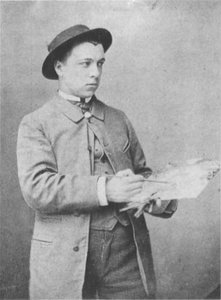
Paul Signac
1863 - 1935 , France
Quick Facts
- Artistic Movement Or Style: Neo-Impressionism, Pointillism
- Artists Or Movements Influenced By This Artist:
- Henri Matisse
- Fauvism
- André Derain
- Artists Who Influenced This Artist:
- Claude Monet
- Georges Seurat
- Date Of Birth: November 11, 1863
- Date Of Death: August 15, 1935
- Full Name: Paul Victor Jules Signac
- Nationality: French
- Notable Artworks:
- Boulevard de Clichy
- The Red Buoy
- La Valleuse
- The Velodrome
- Town Beach, Collioure
- Place Of Birth: Paris, France

