 Preview
 Send
Send Share
Share
 Details

 Download
 Similars
 X-Ray
X-Ray Diaporama
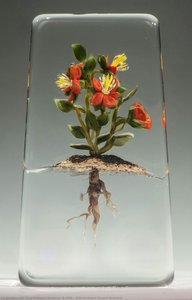
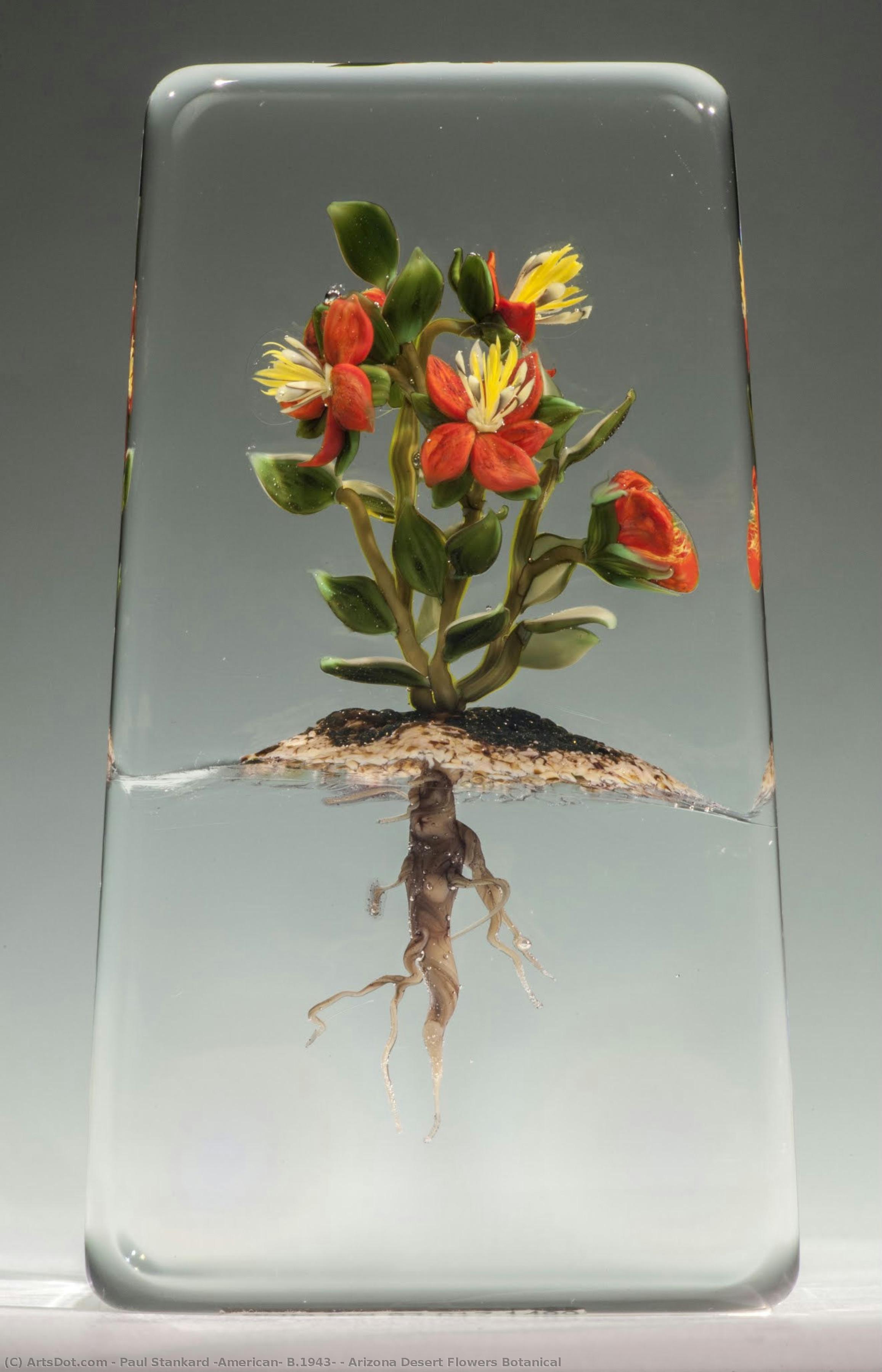
Arizona Desert Flowers Botanical
 10.0 x 5.0 cm
 Bergstrom-Mahler Museum of Glass
 Read More
Hand Made Oil Reproduction
Hand-painted oil on canvas in your size and frame, made to order by our artists. ( Buy Print Buy Image)




































Pick from our preset sizes that match the artwork's original proportions.

You may enter your own dimensions to fit a specific frame or space. If your selected size does not match the original image's proportions, we will either crop the artwork or extend the painting with additional hand-painted elements. A digital mockup will be sent for your approval before production begins.
Please note that the on-screen preview does not reflect the actual cropping or extension. Only the mockup will accurately show the final composition.
While custom sizes are available, we recommend selecting a dimension from the predefined list to preserve the original proportions.
After order, ArtsDot.com team will email client for instructions and provide a mockup preview
Worldwide Delivery () in 3/4 weeks instead of standard 5 weeks. (26 August). No compromise on quality.

Free Worldwide Express Shipping

High-Quality Linen Canvas

Full Shipping Insurance

Customs Tax Refund Guarantee

True Color Matching Guarantee

60-Day Return Policy (Defects Only)

100% Money-Back Guarantee

Bulk Discount Offer
 Glass option is only available in size under 110 CM

Arizona Desert Flowers Botanical
Reproduction Medium
Reproduction Size
-


Total Price
$ 263
Related Artworks





Artist Biography
Paul Stankard: The Alchemist of Glass
Paul Joseph Stankard, born in North Attleboro, Massachusetts, in 1943, isn’t merely a glass artist; he's an alchemist. For over six decades, he has meticulously transformed molten glass into breathtaking microcosms—paperweights that capture the ephemeral beauty of nature with astonishing realism and profound emotional resonance. His journey from a struggling scientific glassblower to a globally recognized master is a testament to perseverance, artistic vision, and a deep-seated love for the natural world. Stankard’s work transcends mere craft; it's an exploration of perception, memory, and the delicate balance between imitation and representation.
Stankard’s early life was marked by challenges that would shape his artistic approach. Diagnosed with dyslexia at a young age, he faced significant obstacles in traditional schooling. This experience fostered a self-directed learning style, fueled by an insatiable curiosity and a reliance on audiobooks – a practice that profoundly influenced his meticulous attention to detail and his ability to translate complex natural forms into glass.
His career began within the confines of scientific laboratories, where he honed his technical skills as a glassblower. However, a yearning for creative expression ultimately led him to abandon this stable profession in 1969. Inspired by visits to Harvard’s renowned Blaschka Glass Flowers – exquisitely detailed botanical specimens preserved in glass – and guided by the mentorship of Francis Whittemore, Stankard embarked on his artistic transformation. He began experimenting with paperweights in his own workshop, initially seeking to replicate the intricate beauty of the Blaschka collection. This early phase established a foundation of technical mastery and an unwavering commitment to accuracy.
The Blossoming of Botanical Realism
Stankard’s artistic breakthrough came not from mimicking existing forms but from developing his own unique style—a radical departure from the brightly colored, often stylized floral paperweights prevalent at the time. He sought to capture the essence of each flower with unparalleled realism, meticulously studying its structure, color variations, and subtle textures. This dedication resulted in paperweights that appeared almost impossibly lifelike, evoking a sense of wonder and inviting viewers to lose themselves within their miniature worlds.
His technique is deceptively complex. Stankard employs a combination of traditional flameworking techniques – heating glass rods with a torch and manipulating them with tweezers – alongside innovative methods developed over his long career. He meticulously builds up layers of colored glass, often incorporating intricate details such as veins, petals, and stamens. The process demands immense patience, precision, and an intimate understanding of the material’s behavior. Crucially, Stankard doesn't simply replicate; he imbues each piece with a sense of movement and life, capturing not just the appearance but also the feeling of a flower in bloom.
Influences and Legacy
Stankard’s artistic vision is deeply rooted in the legacy of Ferdinand Blaschka and Karl Blossfeldt, both pioneers in botanical illustration. The Blaschkas' meticulously preserved flowers provided Stankard with a model for accuracy and detail, while Blossfeldt’s photographs of plant forms emphasized structure and geometry – principles that informed Stankard’s own approach to glassmaking. Furthermore, his early exposure to audiobooks instilled a profound appreciation for the power of observation and detailed documentation.
Stankard's work has had a transformative impact on the field of studio glass. He elevated paperweights from a decorative craft to a respected art form, demonstrating their capacity for complex narratives and emotional depth. His influence can be seen in the work of countless contemporary glass artists who continue to explore themes of nature, memory, and perception. He is recognized as one of the most important figures in the Studio Glass movement, celebrated for his technical virtuosity, artistic vision, and unwavering dedication to his craft.
Major Achievements and Recognition
Throughout his illustrious career, Stankard has received numerous accolades recognizing his exceptional talent and contributions to the art world. He was awarded two honorary doctorate degrees – one from Rowan University in 1997 and another from Muskingum University in 2007 – reflecting his profound impact on education and artistic practice. He is a fellow of the American Craft Council, receiving the prestigious College of Fellows Award in 2000.
His work has been exhibited extensively at museums around the world, including the Smithsonian American Art Museum, the Metropolitan Museum of Art, the Corning Museum of Glass, and numerous galleries and institutions dedicated to contemporary art. Stankard’s paperweights are held in prestigious collections, a testament to their enduring beauty and artistic significance.
A Continuing Journey
Today, Paul Joseph Stankard continues to work tirelessly, pushing the boundaries of glassmaking and exploring new avenues for creative expression. His latest book, *Inspiration from the Art of Paul Stankard: A Window into My Studio and Soul*, offers a rare glimpse into his artistic process and provides insights into the profound influences that shape his work. Stankard’s legacy extends beyond individual artworks; it represents a commitment to lifelong learning, unwavering dedication to craft, and an enduring appreciation for the beauty of the natural world—qualities that continue to inspire artists and viewers alike.
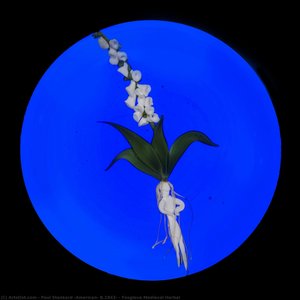
paul stankard (american, b.1943)
1943 - , United States of America
Quick Facts
- Artistic Movement Or Style: Studio Glass
- Artists Or Movements Influenced By This Artist:
- Reese Palley
- French Paperweights
- Artists Who Influenced This Artist:
- Francis Whittemore
- Blaschka Flowers
- Date Of Birth: April 7, 1943
- Full Name: Paul Joseph Stankard
- Nationality: American
- Notable Artworks:
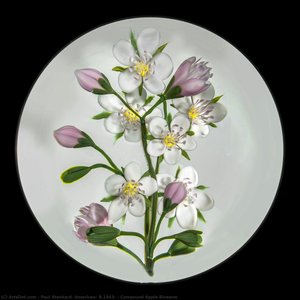
- Compound Apple Blossom
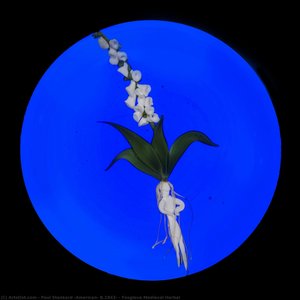
- Foxglove Medieval Herbal
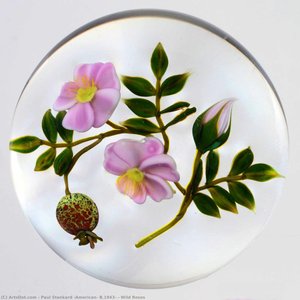
- Wild Roses
- Place Of Birth: North Attleboro, MA