 Preview
 Send
Send Share
Share
 Details

 Download
 Similars
 X-Ray
X-Ray Diaporama
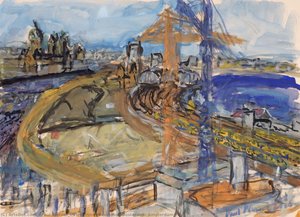
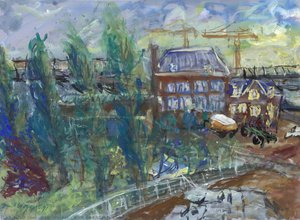
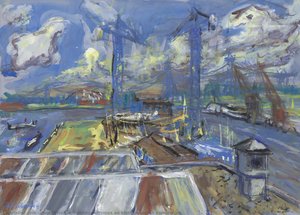
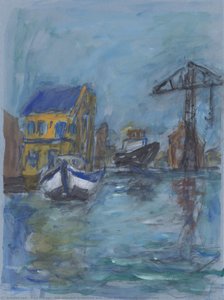
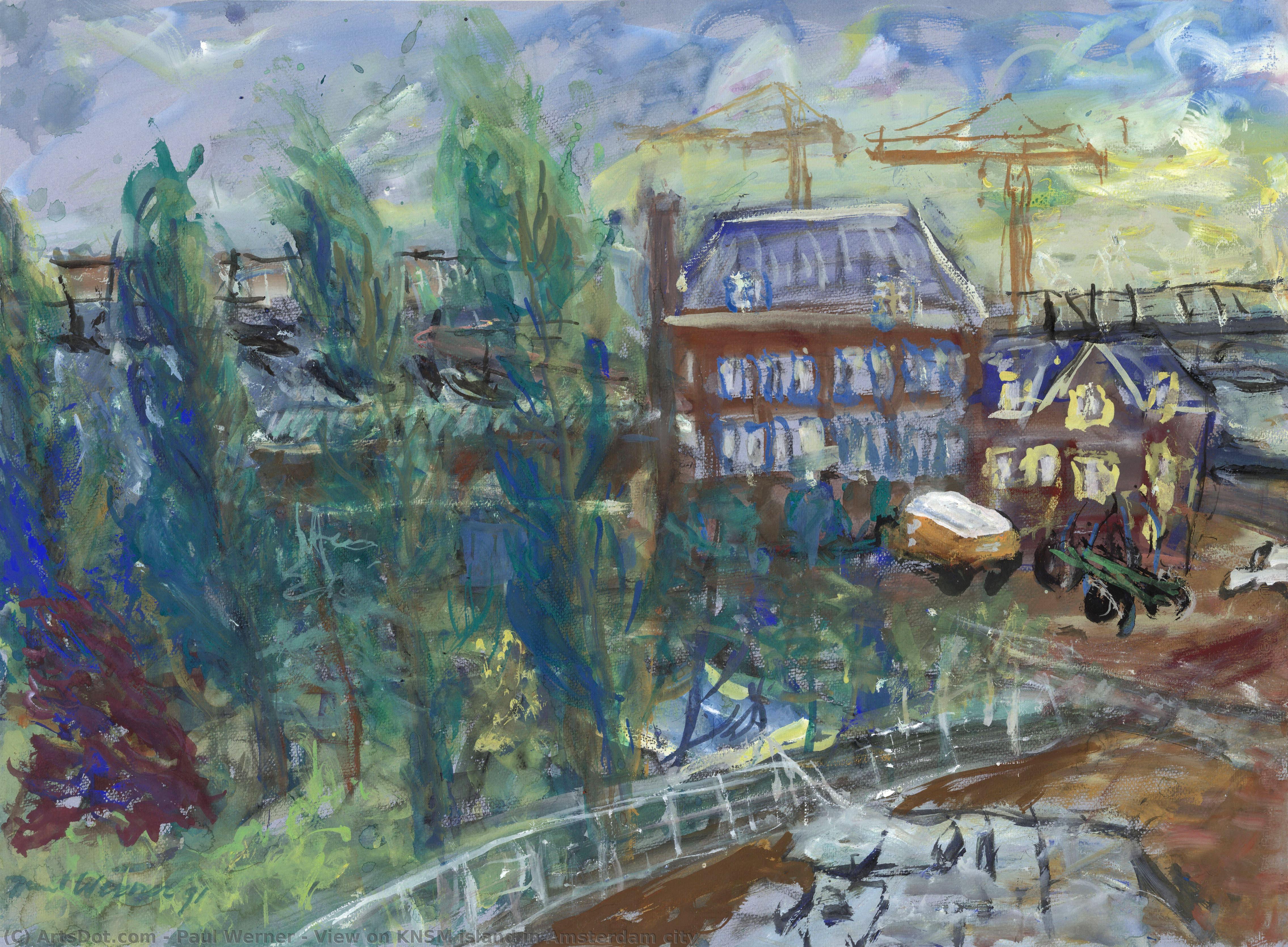
View on KNSM island in Amsterdam city
 Figurative Expressionism
 1992
1992 51.0 x 70.0 cm
 Read More
Giclée / Art Print
Museum-quality giclée or canvas print with fast production and flexible finish options. ( Buy Hand Made Painting Buy Image)




































Pick from our preset sizes that match the artwork's original proportions.

You may enter your own dimensions to fit a specific frame or space. If your selected size does not match the original image's proportions, we will either crop the artwork or extend the image with a mirrored or solid-fill edge. A digital mockup will be sent for your approval before production begins.
Please note that the on-screen preview does not reflect the actual cropping or extension. Only the mockup will accurately show the final composition.
While custom sizes are available, we recommend selecting a dimension from the predefined list to preserve the original proportions.
Worldwide Delivery () in 2 weeks instead of standard 4/5 weeks. (22 August)

Free Worldwide Express Shipping

High-Quality Linen Canvas

Full Shipping Insurance

Customs Tax Refund Guarantee

True Color Matching Guarantee

60-Day Return Policy (Defects Only)

100% Money-Back Guarantee

Bulk Discount Offer
 Glass option is only available in size under 110 CM

View on KNSM island in Amsterdam city
Giclée / Art Print
Reproduction Size
-


Total Price
$ 63
Related Artworks







Artist Biography
A Life Immersed in Expression: The World of Paul Werner
Paul Werner, a Dutch artist born in Arnhem in 1930 and passing away in 2013, dedicated his life to capturing the emotional resonance of the world around him. His artistic journey unfolded primarily through the lens of figurative expressionism, a style he embraced with unwavering commitment for over half a century, from 1959 until his death. Werner wasn’t merely depicting scenes; he was translating feelings—the weight of urban change, the quiet dignity of nature, and the complexities of the human condition—onto canvas and paper. His roots in Arnhem, a city bordering Germany along the Rhine River, perhaps instilled an early sensitivity to both beauty and the undercurrents of history that would later inform his work. Though biographical details remain somewhat sparse, the sheer volume and consistency of his output speak volumes about a life deeply intertwined with artistic exploration.The Amsterdam Years: A Focus on Urban Landscapes
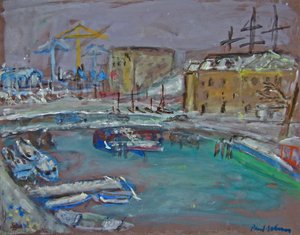
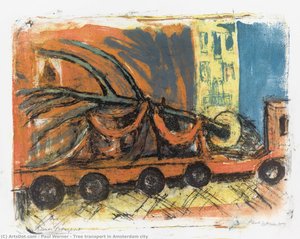
Werner’s most significant period of activity centered around the vibrant art scene of Amsterdam. It was here that he truly honed his distinctive style, becoming known for paintings and drawings that often featured the city's evolving landscape. He wasn’t interested in pristine representations; instead, his work reflects a dynamic engagement with urban encroachment—the relentless march of development juxtaposed against the enduring resilience of nature. Paintings like “Tree Transport in Amsterdam” exemplify this tension, utilizing bold colors and an impasto texture to evoke a sense of movement and perhaps even unease. The city became his laboratory, a place where he could explore themes of change, memory, and the delicate balance between the man-made and the natural world. He wasn’t simply documenting Amsterdam; he was interpreting its soul, revealing layers of emotion beneath the surface of everyday life.Technique and Influences: A Blend of Observation and Intuition
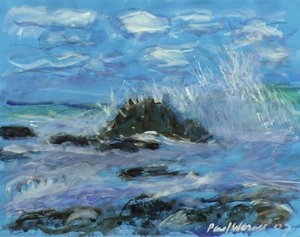
Werner's preferred medium was gouache on paper, a choice that allowed for both vibrant color and textural depth. He often worked *en plein air*, directly observing his subjects—the coasts and cliffs of Brittany and Normandy in France, the flat Dutch countryside, Amsterdam’s harbors—and translating those observations into expressive compositions. However, his work wasn't about strict realism. Werner embraced a degree of abstraction, allowing colors to emerge from his experience and intuition rather than adhering to naturalistic palettes. This pursuit of *rhythmical compositions* led him to create works that are both visually striking and emotionally evocative. While specific artistic influences aren’t widely documented, the spirit of Expressionism—with its emphasis on subjective experience and emotional intensity—is clearly evident in his brushwork and color choices. His work also reveals a deep appreciation for light and shadow, reminiscent of earlier Dutch masters but filtered through a distinctly modern sensibility.Beyond Painting: Graphic Art and Political Commentary
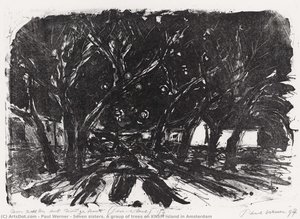
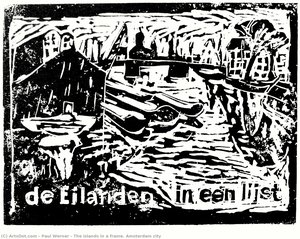
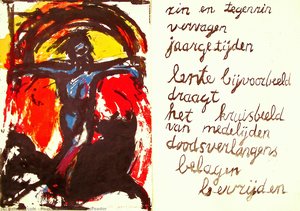
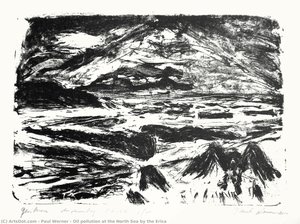
Werner’s artistic output extended beyond painting to encompass graphic art, particularly lithography. He created both individual pieces and collections organized around common themes. These thematic series included homages to Vincent van Gogh, explorations of Federico García Lorca's poetry, and interpretations of the medieval romance *Guigemar* by Marie de France—demonstrating a broad intellectual curiosity alongside his visual artistry. Notably, Werner also used lithography as a vehicle for political commentary, addressing issues such as American policies in Vietnam and Iraq. This willingness to engage with contemporary social concerns adds another layer of depth to his artistic profile, revealing an artist who was not only sensitive to the emotional landscape but also acutely aware of the world’s injustices.Legacy and Historical Significance: Capturing a Moment in Time
Paul Werner's work offers a compelling glimpse into the Dutch Expressionist movement and the evolving urban environment of Amsterdam during the latter half of the 20th century. While perhaps not as widely recognized as some of his contemporaries, his paintings and drawings possess a unique power—a raw emotional honesty that resonates with viewers today. His ability to capture both the beauty and the fragility of the world around him, combined with his willingness to explore complex themes through bold artistic expression, solidifies his place as an important figure in Dutch art history. His legacy lies not just in the artworks themselves but also in the way he invited viewers to see—and feel—the world anew. Werner’s paintings are a testament to the enduring power of observation, intuition, and the unwavering pursuit of artistic truth.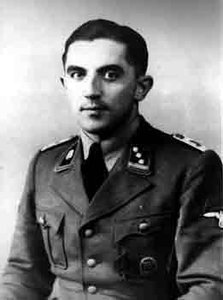
paul werner
1930 - 2013 , Netherlands
Quick Facts
- Artistic Movement Or Style: Expressionism
- Date Of Birth: 1930
- Date Of Death: 2013
- Full Name: Paul Werner
- Nationality: Dutch
- Notable Artworks:
- Tree Transport in Amsterdam city
- Seven Sisters
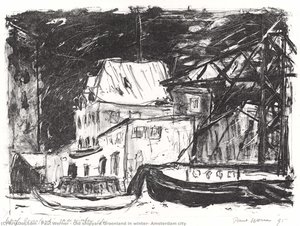
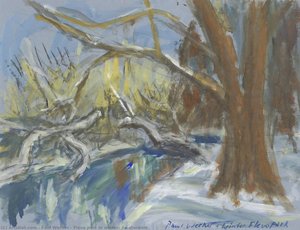
- Old shipyard Groenland in winter
- Place Of Birth: Arnhem, Netherlands