 Send
Send Share
Share
 Details

 Download
 Similars
 Diaporama
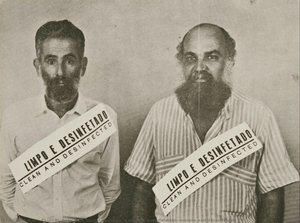
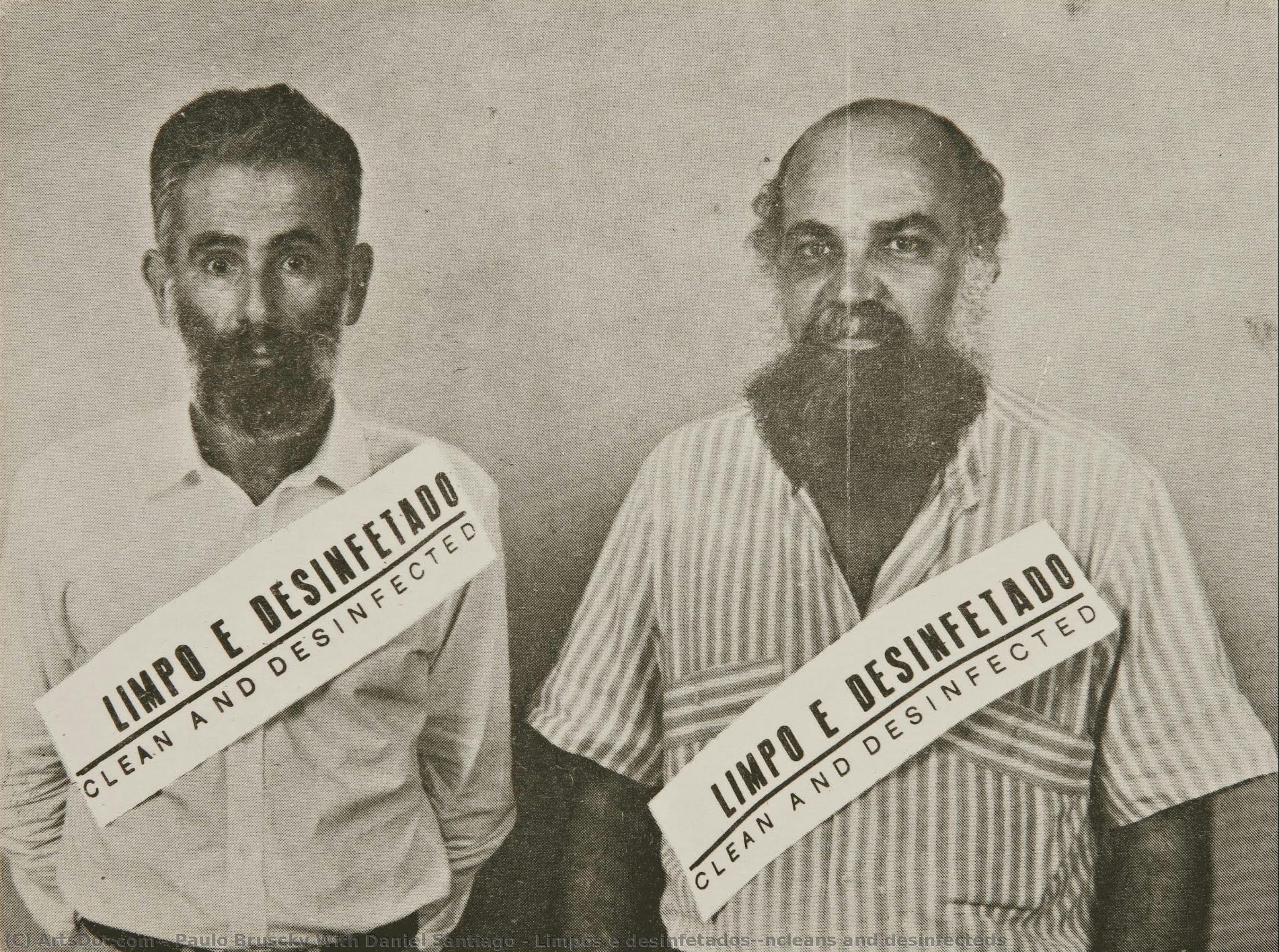
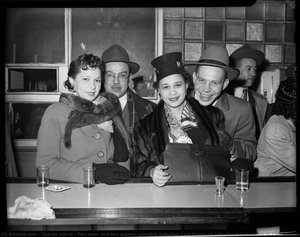
Limpos e desinfetados,\ncleans and desinfecteds
 Black and White Photography
- Photo
- Mail Art
 Contemporary
 117.0 x 89.0 cm
 Museu de Arte Moderna de São Paulo
 Read More
Hand Made Oil Reproduction
Hand-painted oil on canvas in your size and frame, made to order by our artists. ( Buy Print Buy Image)




































Pick from our preset sizes that match the artwork's original proportions.

You may enter your own dimensions to fit a specific frame or space. If your selected size does not match the original image's proportions, we will either crop the artwork or extend the painting with additional hand-painted elements. A digital mockup will be sent for your approval before production begins.
Please note that the on-screen preview does not reflect the actual cropping or extension. Only the mockup will accurately show the final composition.
While custom sizes are available, we recommend selecting a dimension from the predefined list to preserve the original proportions.
After order, ArtsDot.com team will email client for instructions and provide a mockup preview
Worldwide Delivery () in 3/4 weeks instead of standard 5 weeks. (31 August). No compromise on quality.

Free Worldwide Express Shipping

High-Quality Linen Canvas

Full Shipping Insurance

Customs Tax Refund Guarantee

True Color Matching Guarantee

60-Day Return Policy (Defects Only)

100% Money-Back Guarantee

Bulk Discount Offer
 Glass option is only available in size under 110 CM

Limpos e desinfetados,\ncleans and desinfecteds
Reproduction Medium
Reproduction Size
-


Total Price
$ 263
Related Artworks
Artist Biography
The Poetic Architect of the Postal Network
Born in Recife, Brazil, in 1949, Paulo Bruscky emerged as a transformative force in the landscape of contemporary art, redefining the boundaries between language, physical medium, and social interaction. His artistic journey is not merely a personal chronicle but a profound exploration of how communication can serve as both an aesthetic tool and a political weapon. Alongside his collaborator Daniel Santiago, Bruscky pioneered a unique intersection of concrete poetry and mail art, creating a rhythmic dialogue that bypassed traditional gallery walls to reach audiences through the global postal system.
The early years of Bruscky’s career were rooted in the tactile discipline of sculpture. This foundational focus on materiality and form provided him with a meticulous eye for detail, which he would later translate into the linguistic realm. As his practice evolved, the physical weight of stone or metal gave way to the ephemeral weight of words and stamps. Influenced heavily by the turbulent social and political climate of Brazil during the 1970s, Bruscky sought ways to challenge established ideologies. He realized that art could exist in the movement of a letter, in the texture of a stamp, and in the strategic arrangement of typography, turning the act of mailing a piece into a subversive gesture of connectivity.
A Revolution of Form and Language
At the heart of Bruscky’s legacy lies his mastery of concrete poetry. In this movement, the visual arrangement of text is as vital as the semantic meaning of the words themselves. Rejecting the linear constraints of traditional narrative, Bruscky utilized spatial considerations to force a direct confrontation between the viewer and the concept. By manipulating typography, he transformed language into a visual element, where the placement of a character or the emptiness of a margin could convey profound tension or liberation. This technique was designed to disrupt conventional reading habits, encouraging a more visceral, perceptual engagement with the art.
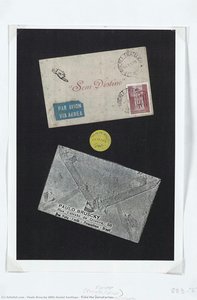
This linguistic experimentation found its most expansive stage in the Mail Art movement. For Bruscky and Santiago, the postal service was not merely a delivery mechanism but an infinite, decentralized gallery. Their works often utilized a rich collage of ephemeral materials, including:
- Vintage postcards and stamps: Used to anchor the work in a sense of historical and personal memory.
- Postal fragments: Incorporating the physical debris of communication to highlight the beauty of the mundane.
- Surrealist elements: Such as the inclusion of clocks or unexpected imagery to disrupt the viewer's sense of time and reality.
The Legacy of Connection
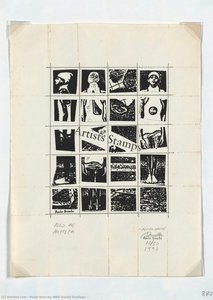
The significance of Paulo Bruscky’s work extends far beyond the aesthetic; it represents a monumental achievement in the democratization of art. Through masterpieces like País de Papel, which utilized striking arrangements of red stamps to explore Brazilian identity, and his various collage-based explorations from the 1980s, he proved that art could be both deeply personal and intensely political. His ability to weave together the tactile remnants of bureaucracy—stamps, envelopes, and paper fragments—into high art created a new vocabulary for visual communication.
Today, the collaborative spirit of Bruscky and Santiago remains a cornerstone of Brazilian art history. They transformed the act of correspondence into a profound medium of resistance and connection, ensuring that even in an era of digital saturation, the physical, poetic, and political power of the hand-delivered message continues to resonate. Their work stands as a testament to the idea that art is not just something to be viewed in silence, but something to be shared, circulated, and lived.
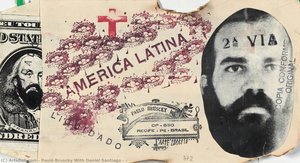
paulo bruscky with daniel santiago
1949 - , Brazil
Quick Facts
- Artistic Movement Or Style: Concrete Poetry & Mail Art
- Artists Or Movements Influenced By This Artist: ['Mail Art']
- Artists Who Influenced This Artist: ['Concrete Poetry Movement']
- Date Of Birth: 1949
- Full Name: Paulo Bruscky with Daniel Santiago
- Nationality: Brazilian
- Notable Artworks:
- Limpos e Desinfetados
- País de Papel
- Place Of Birth: Recife, Brazil
Related Articles

White on Canvas: 10 Masterpieces & Timeless Elegance for Your Home Decor
Explore 10 iconic white paintings by Monet, Whistler & Rothko! Discover the stories behind these serene masterpieces and their impact on art history. Find museum-quality reproductions for your home decor at .

Dark Masterpieces: 10 Iconic Paintings Dominated by Black Tones |
Explore 10 iconic paintings dominated by black tones, from Rembrandt’s chiaroscuro to Goya's dark expressions. Discover the stories behind these masterpieces & find museum-quality art reproductions for your home at .

Monochrome Visions: Exploring the Aesthetic & Historical Significance of Black & White Photography
Explore the rich history & artistic power of black and white photography. From early techniques to iconic masters like Ansel Adams, discover why monochrome continues to captivate art lovers today. Expert insights for collectors.
From Snapshot to Statement: Elevating Personal Photography Through Black & White Fine Art Reproduction
Transform cherished photos into timeless black & white fine art with ArtsDot. Our expert artists create museum-quality reproductions – a lasting legacy for your home and family. Discover the artistry today.
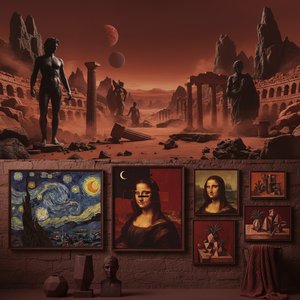
Mars Black Masterpieces: 10 Iconic Paintings & Timeless Art Decor Ideas
Delve into the power of 'Mars Black' with 10 iconic paintings by masters like Rembrandt & Caravaggio. Explore dramatic chiaroscuro, gothic art, and timeless beauty. Find museum-quality reproductions & elevate your home decor on .