

 Preview
 Send
Send Share
Share
 Details

 Download
 Similars
 X-Ray
X-Ray Diaporama
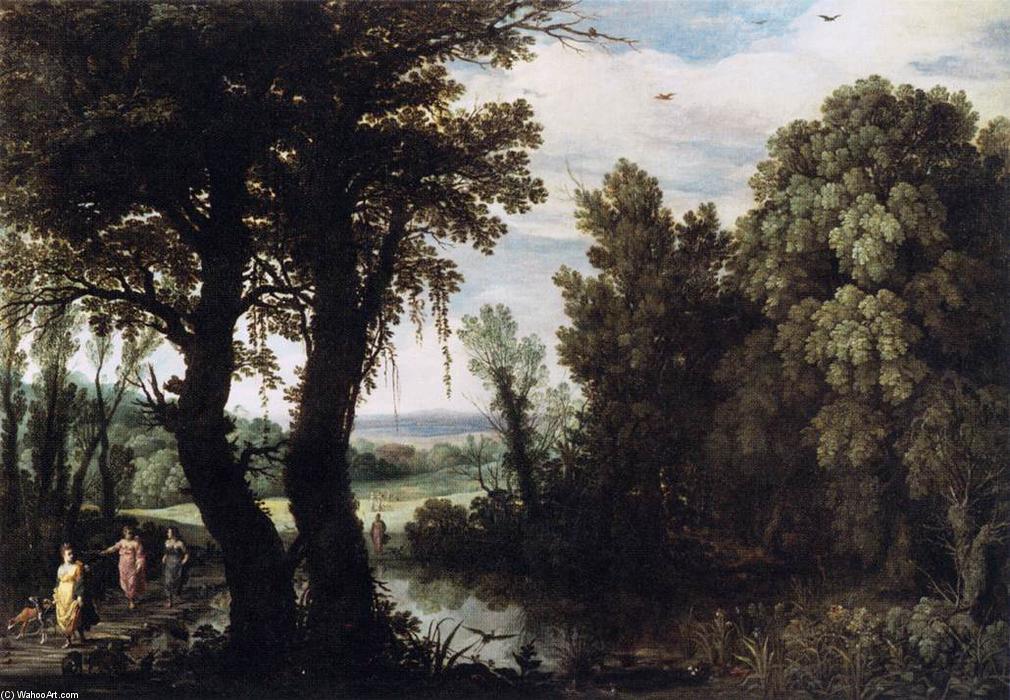
Diana and Her nymphs at the Hunt
 Oil On Canvas
- WallArt
- Baroque
 1600
1600 104.0 x 146.0 cm
 The Louvre
 Read More
Purchase a high-resolution, enhanced digital image, far superior to the online preview.
Each file is meticulously prepared by our in-house specialists using advanced tools and expert manual retouching. We ensure every image has exceptional clarity, precise color accuracy, and fine detail.
The final file is delivered via email within 72 hours, optimized for immediate use in professional, editorial, and print environments. This is the same quality trusted by top-tier design studios, publishers, and galleries.
Digital Image
Download a high-resolution file for personal display, printing, and creative projects. ( Buy Print Buy Hand Made Painting)
Included in Every Digital Image Order
Expert Digital Delivery, Guaranteed
When you choose ArtsDot.com, you're not just getting an image - you're receiving a professionally enhanced digital artwork, crafted with precision and backed by a satisfaction guarantee. Here's everything that comes with your order, automatically:

Fast Email Delivery
Your high-resolution digital image file will be emailed to you within 72 hours of ordering - ready for immediate use.

AI-Enhanced Digital File
Your artwork is professionally optimized using advanced AI tools and manual editing, ensuring maximum detail, clarity, and color accuracy.

Free Lifetime Re-Delivery
Accidentally deleted or lost your file? No worries - we'll resend it to you anytime, free of charge.

No Import Fees - Ever
Enjoy your artwork instantly with zero customs, duties, or delivery fees - digital downloads are always tax-free.

Color Accuracy Guarantee
We ensure your digital image reflects the original colors as closely as possible using professional tools and color management.

60-Day Satisfaction Guarantee
If you're not satisfied with your digital image, we'll revise it or refund 100% within 60 days - no questions asked.

100% Money-Back Guarantee
Not satisfied? Get a full refund within 60 days of receiving your digital file - no questions asked.

Bulk Order Discounts
Buy 3 images, save 10% - Buy 5, save 15% - Buy 10+, save 20%. Great for creative projects, galleries, and agencies.
Collectible Description
A Glimpse into Baroque Grandeur: Diana and Her Nymphs at the Hunt
Step into a world of classical mythology and lush landscapes with Paul Bril’s "Diana and Her Nymphs at the Hunt." This captivating oil on canvas, created in 1600 and now residing within the esteemed Musée du Louvre, exemplifies the Baroque period's mastery of light, shadow, and detailed realism. The painting depicts a scene brimming with vitality: Diana, the Roman goddess of the hunt, accompanied by her graceful nymphs as they pursue game through an idyllic forest setting. Bril’s skill lies in capturing not just the figures themselves but also the atmosphere – the dappled sunlight filtering through the trees, the gentle movement of the water, and the overall sense of harmony between humanity and nature. This work isn't merely a depiction; it's an invitation to experience the beauty and drama of a classical narrative brought to life on canvas.The Artist: Paul Bril and His Italianate Vision
Paul Bril (1554-1626) was a Flemish painter renowned for his captivating landscapes, significantly influenced by his extended sojourn in Rome. Born in Antwerp, he honed his skills under his father, Matthijs Bril the Elder, before embracing the vibrant artistic environment of Italy. His time in Rome profoundly shaped his style, leading him to adopt an "Italianate" approach characterized by dramatic lighting, atmospheric perspective, and a focus on idealized landscapes. Bril’s influence extended beyond his own works; he played a crucial role in popularizing landscape painting throughout Europe, inspiring generations of artists with his masterful use of color and light to create depth and evoke emotion. He was known for collaborating with other prominent artists, often providing the picturesque backgrounds for their larger compositions.Decoding the Scene: Symbolism and Narrative
Beyond its aesthetic appeal, "Diana and Her Nymphs at the Hunt" is rich in symbolism rooted in classical mythology. Diana, as the goddess of the hunt, embodies strength, independence, and a connection to the natural world. The nymphs accompanying her represent purity, grace, and the inherent beauty of nature itself. The hunt itself can be interpreted as a metaphor for the pursuit of knowledge or virtue – a timeless theme explored throughout art history. Notice how Bril carefully arranges the composition; the winding path leads the viewer's eye deeper into the scene, creating a sense of exploration and discovery. The detailed rendering of flora and fauna further emphasizes the painting’s connection to the natural world, highlighting the Baroque fascination with realism and observation.Baroque Technique: Light, Shadow, and Texture
Bril's mastery of Baroque techniques is evident in every detail of this work. The dramatic use of *chiaroscuro* – the contrast between light and shadow – creates a palpable sense of three-dimensionality, bringing the figures and landscape to life. Observe how the artist uses highlights to illuminate specific areas, drawing attention to Diana's figure and the surrounding foliage while leaving other parts shrouded in subtle shadows. The meticulous rendering of textures—the softness of the nymphs’ garments, the roughness of tree bark, the shimmering surface of the water—demonstrates Bril’s exceptional skill as a painter. The oil paint medium allowed for rich color saturation and fine detail, contributing to the overall luxuriousness and visual impact of the piece.Related Artworks


Artist Biography
Paulus Bril (Paul Brill): A Master of Italianate Landscape
Paulus Bril, also known as Paul Brill (1554-1626), was a highly influential Flemish painter and printmaker celebrated for his pioneering role in developing the Italianate landscape genre. Born in Antwerp, Belgium, he spent the majority of his career in Rome, where his work significantly impacted both Italian and Northern European landscape painting. His artistic legacy lies in his ability to capture the beauty and grandeur of the Italian countryside while incorporating classical motifs and a distinctive atmospheric perspective.
Early Life and Artistic Development
- Birth and Family: Paulus Bril was born in Antwerp, though some sources suggest Breda as a possible birthplace. He hailed from an artistic family; his father was both a painter and an art dealer, providing young Paulus with early exposure to the art world.
- Early Training & Influences: His initial training likely occurred within his family circle, absorbing the traditions of Flemish landscape painting. This foundation emphasized atmospheric effects – the use of light, color, and aerial perspective to create a sense of depth and mood. Early works reflect this influence, showcasing meticulous detail and a focus on realistic representation.
- Move to Rome: A pivotal moment in Bril's career was his relocation to Rome. This move exposed him directly to the landscapes of Italy and allowed him to develop his signature style – the Italianate landscape.
The Italianate Landscape and Artistic Innovations
- Defining Characteristics: Bril’s Italianate landscapes are characterized by their depiction of idealized views of the Italian countryside, often featuring classical ruins (temples, arches, columns), picturesque waterways, lush vegetation, and idyllic pastoral scenes.
- Classical Motifs & Composition: He skillfully integrated classical architectural elements into his compositions, creating a harmonious blend of nature and antiquity. His landscapes are not merely depictions of scenery; they evoke a sense of history, grandeur, and timeless beauty.
- Light and Atmosphere: Bril’s masterful use of light and color is crucial to the appeal of his work. He employed warm tones and subtle gradations to create a luminous atmosphere that draws the viewer into the scene. His understanding of aerial perspective – how objects appear fainter and bluer with distance – adds depth and realism to his landscapes.
- Influence on Contemporaries: Bril's style had a profound impact on other artists, most notably Claude Lorrain, who greatly admired and emulated Bril’s approach to landscape painting. He also influenced Willem van Nieulandt, as evidenced by their shared interest in depicting Italianate ruins.
Major Achievements and Historical Significance
- Revolutionizing Landscape Painting: Paulus Bril is considered a key figure in the development of the Italianate landscape genre, establishing a new standard for landscape painting both in Italy and Northern Europe.
- Popularity & Patronage: His works were highly sought after during his lifetime, demonstrating his popularity among collectors and patrons.
- Legacy: Bril’s emphasis on classical motifs, atmospheric perspective, and the idealized depiction of nature influenced generations of landscape painters who followed in his footsteps. He helped to elevate landscape painting from a secondary genre to one of considerable artistic merit.
Collections and Further Exploration
Works by Paulus Bril can be found in prestigious museums and collections across Europe. Notable holdings include:
- Groeninge Museum, Bruges, Belgium
- Rockox House, Antwerp, Belgium
To further explore his art, consider visiting the Paulus Bril artist page and related artworks on ArtsDot.com.
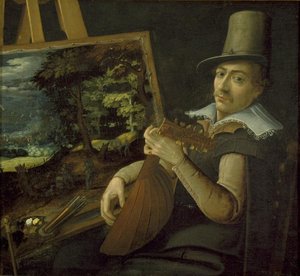
Paulus Bril
1554 - 1626 , Belgium
Quick Facts
- Artistic Movement Or Style: Italianate landscapes, Mannerism
- Artists Or Movements Influenced By This Artist: ['Claude Lorrain']
- Date Of Birth: 1554
- Date Of Death: 1626
- Full Name: Paulus Bril / Paul Brill
- Nationality: Flemish
- Notable Artworks:
- View of Bracciano
- Landscape with Erminia
- Place Of Birth (City And Country): Antwerp, Belgium

