 Preview
 Send
Send Share
Share
 Details

 Download
 Similars
 X-Ray
X-Ray Diaporama
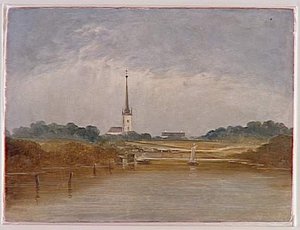
VUE DE CHRISTIANIA (AUJOURD'HUI OSLO)


 Read More
Giclée / Art Print
Museum-quality giclée or canvas print with fast production and flexible finish options. ( Buy Hand Made Painting Buy Image)




P118B $10

P118H $10

P118W $10

P438Z $10

P508JH $12

P508YH $12

P805H $10

P805Z $10

P919BZ $10

P919G $10

P919XJ $10

P959ZH $10

P968JZ $12

W106C $8

W218G $10

W218JH $8

W218Y $10

W307PJ $10

W316G $10

W316PJ $8

W316Y $10

W398PJ $8

W4111J $10

W500HY $15

W500JH $15

W692G $12

W849H $8

W940BG $15

W953PJ $8




Pick from our preset sizes that match the artwork's original proportions.

You may enter your own dimensions to fit a specific frame or space. If your selected size does not match the original image's proportions, we will either crop the artwork or extend the image with a mirrored or solid-fill edge. A digital mockup will be sent for your approval before production begins.
Please note that the on-screen preview does not reflect the actual cropping or extension. Only the mockup will accurately show the final composition.
While custom sizes are available, we recommend selecting a dimension from the predefined list to preserve the original proportions.
Worldwide Delivery () in 2 weeks instead of standard 4/5 weeks. (26 August)

Free Worldwide Express Shipping

High-Quality Linen Canvas

Full Shipping Insurance

Customs Tax Refund Guarantee

True Color Matching Guarantee

60-Day Return Policy (Defects Only)

100% Money-Back Guarantee

Bulk Discount Offer
 Glass option is only available in size under 110 CM

VUE DE CHRISTIANIA (AUJOURD'HUI OSLO)
Giclée / Art Print
Reproduction Size
-


Total Price
$ 63
Collectible Description
A Vision of Tranquility: Exploring Peder Balke's View of Christiania
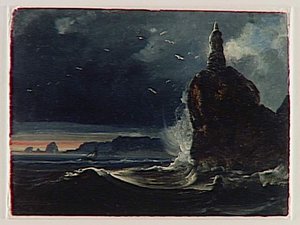
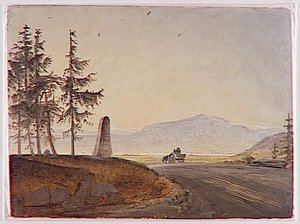
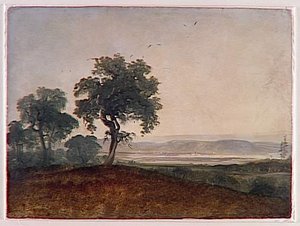
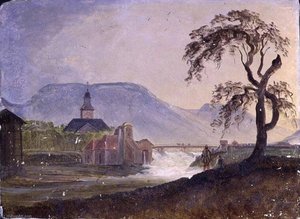
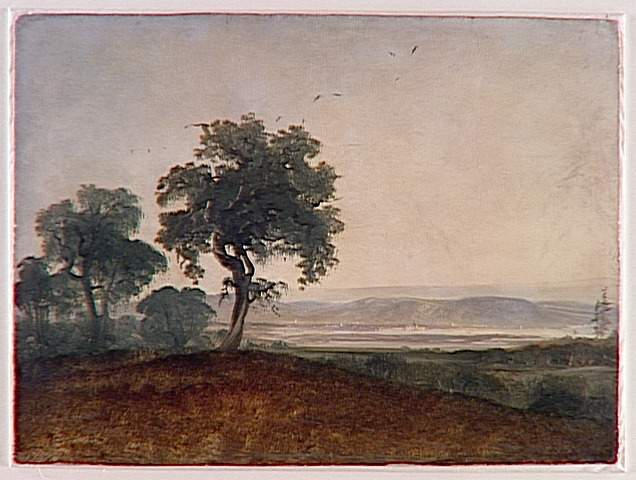
To gaze upon Peder Balke’s Vue de Christiania (Aujourd'hui Oslo) is to step across the threshold of time and into a moment suspended in ethereal light. This painting is far more than a mere depiction of a Norwegian vista; it is an immersion into the Romantic sensibility that elevated nature to the highest plane of human experience. Balke, a master chronicler of the Scandinavian landscape, captures not just the geography of Christiania—the precursor to modern Oslo—but the very spirit of its relationship with the wild, embracing elements like water and forest. The overall impression is one of profound serenity, inviting the viewer into a quiet contemplation far removed from the clamor of urban life.
The Language of Light and Atmosphere
Technically, Balke employs an exquisite mastery of atmospheric perspective. Notice how the foreground, anchored by that magnificent, slightly off-center tree, possesses richer detail and deeper saturation in its greens and browns. As the eye travels across the gently sloping hill toward the distant cityscape nestled among rolling hills, the colors soften, becoming paler and more diffused against the expansive sky. This subtle gradation is achieved through delicate layering of thin washes of paint, giving the entire scene a hazy, almost breathable quality. The lighting itself suggests an overcast day—a diffused glow that eliminates harsh shadows and bathes everything in an even, contemplative luminescence. It is this handling of light, reminiscent of Luminism's focus on atmosphere, combined with the emotional depth characteristic of Romanticism, that makes the piece so captivating.
Compositional Harmony: Nature’s Embrace
The composition guides the viewer through a carefully orchestrated journey. The foreground elements—the clustered trees and the immediate rise of earth—provide an intimate anchor, drawing us in with their organic, fluid shapes. These natural forms contrast beautifully with the suggestion of human settlement beyond. Balke masterfully balances the vertical thrust of the tree trunks against the sweeping horizontal lines defining the distant horizon and water's edge. There is a deliberate lack of sharp geometry; everything flows, suggesting that even the burgeoning city remains cradled within nature’s enduring embrace. This balance speaks to a deep-seated belief in the sublime power of the natural world.
Symbolism and Emotional Resonance
For the art lover or collector seeking an emotional anchor for their space, this work resonates deeply with themes of solitude and resilience. The lone, prominent tree often serves as a potent symbol—a steadfast sentinel against the backdrop of change. In the context of Christiania’s growth, it speaks to nature's enduring spirit amidst human development. The muted palette of grays, earthy browns, and pale blues evokes a sense of nostalgia, perhaps even a gentle melancholy, yet this sadness is always tempered by an underlying peace. It invites us to pause, breathe deeply, and reconnect with the quiet moments that define our most cherished memories.
Bringing the Vista Home
For those considering a hand-painted reproduction for your home or studio, understanding Balke's technique is key. The soft blending and layered washes are what give this piece its signature breathability. Owning a reproduction allows one to bring this specific feeling—this quiet Norwegian contemplation—into your daily life. It functions not merely as decoration, but as a visual meditation, transforming any room into a sanctuary echoing the peaceful grandeur of Balke’s vision.
Related Artworks

Artist Biography
A Norwegian Romantic Visionary: The Life and Art of Peder Balke
Peder Andersen Balke, born in 1804 on the humble island of Helgøya in Norway, emerged as a profoundly original voice within the landscape tradition of the 19th century. His life story is one of determined artistic pursuit against a backdrop of rural hardship and societal constraints. Growing up amidst the stark beauty of the Norwegian countryside instilled in him a deep connection to nature that would become the defining characteristic of his oeuvre. Though born into a family of farmers, Balke’s innate talent was recognized by his community, who pooled resources to support his artistic education – a testament to the value placed on creativity even within modest means. This early encouragement propelled him towards formal training, first with Heinrich August Grosch and Jacob Munch, then venturing further afield to study at the Royal Swedish Academy of Fine Arts in Stockholm under Carl Johan Fahlcrantz, and later refining his skills alongside Johan Christian Dahl.
The Shaping of a Unique Style
Balke’s artistic development was marked by a restless exploration of technique and expression. He wasn't content to simply replicate the visual world; instead, he sought to capture its emotional essence, its sublime power. His paintings are immediately recognizable for their dramatic lighting, often depicting scenes bathed in an ethereal glow or shrouded in atmospheric darkness. This fascination with light—particularly the fleeting effects of moonlight and twilight—became a hallmark of his style. He developed a distinctive brushwork characterized by textured strokes and an unconventional use of color, creating a dreamlike quality that sets his work apart from more conventional Romantic landscapes. It’s as if he wasn't merely painting what he *saw*, but rather what he *felt* in the presence of nature.
Landscapes of Norway: A National Identity on Canvas
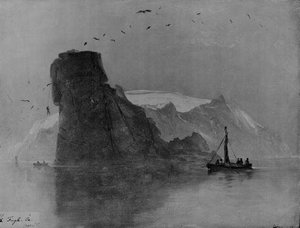
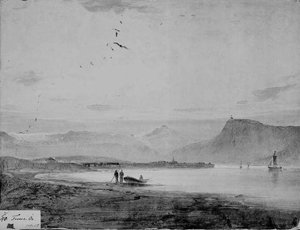
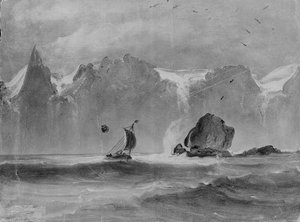
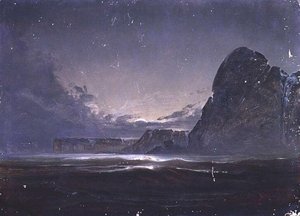
Balke is best known for his evocative depictions of the Norwegian landscape, a subject he returned to repeatedly throughout his career. Works like Vue de Christiania (aujourd'hui Oslo), painted in 1872, offer a compelling glimpse into the urban life of Norway’s capital, yet even here, the natural world looms large, framing the cityscape and reminding viewers of its connection to the surrounding wilderness. The Harbor at Skjervøy (1846) showcases his meticulous attention to detail alongside an ability to capture the bustling energy of a coastal port. Old Trees (1840), with its stark winter scene and powerful lighting, exemplifies his mastery of mood and atmosphere. Seascape (1845) and The North Cape by Moonlight (1848) further demonstrate his ability to convey the rugged beauty and untamed spirit of Norway’s coastline and northern reaches. These weren't simply picturesque views; they were statements about national identity, a celebration of Norway’s unique natural heritage.
Beyond the Canvas: A Social Conscience
Peder Balke was more than just an artist; he was a committed social reformer who actively engaged with the pressing issues of his time. He believed in using his resources and influence to improve the lives of others, most notably through the Balkeby project – a new suburb of Oslo designed to provide decent living conditions for workers. He provided loans and enforced strict building regulations, demonstrating a practical commitment to social justice. Furthermore, Balke tirelessly advocated for financial support for artists, arguing for grants and pensions for both men and women, recognizing the vital role that creativity played in society. This dedication to social causes reveals a compassionate and forward-thinking individual who saw art as intrinsically linked to human well-being.
Rediscovery and Legacy
Despite his significant contributions, Balke’s work was largely overlooked for many years after his death in 1887. It wasn't until the late 20th and early 21st centuries that a renewed appreciation for his unique vision began to emerge. Major exhibitions at prestigious institutions like the National Gallery in London (2014-2015) and the Metropolitan Museum of Art (2017) brought his paintings to a wider audience, sparking critical acclaim and scholarly interest. Today, Peder Balke is recognized as a pivotal figure in Norwegian art history, an artist whose dramatic landscapes and emotional depth continue to resonate with viewers. His influence can be seen in the work of subsequent Nordic artists, solidifying his place as a true visionary who captured the soul of Norway on canvas.
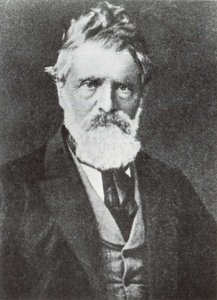
Peder Balke
1804 - 1887 , Norway
Quick Facts
- Artistic Movement Or Style: Romantic Landscape
- Artists Or Movements Influenced By This Artist:
- Nordic Art
- Romanticism
- Artists Who Influenced This Artist:
- Heinrich Grosch
- Jacob Munch
- Carl Fahlcrantz
- Johan Dahl
- Date Of Birth: 1804
- Date Of Death: 1887
- Full Name: Peder Balke
- Nationality: Norwegian
- Notable Artworks:
- Vue de Christiania
- The Harbor at Skjervøy
- Old Trees
- Seascape
- Fredrikshald
- North Cape by Moonlight
- Place Of Birth: Hegøy, Norway
Related Articles

Goya's Masterpieces: Explore 25 Iconic Paintings & Art Prints | ArtsDot
Delve into the world of Francisco Goya with ArtsDot. Explore 25 iconic paintings – from 'The Third of May' to his haunting Black Paintings. Discover the stories, techniques & emotions behind these Spanish masterpieces. Find museum-quality art reproductions for your home at ArtsDot.com!

Romantic Landscapes: 10 Masterpieces for Your Home | ArtsDot
Journey through 10 Romantic landscape masterpieces by Friedrich, Turner & Cole. Explore emotional art, sublime nature scenes & iconic 19th-century paintings. Find museum-quality reproductions for your home at ArtsDot.com – discover the full collection online!

About Us
Discover our story! We bring world-class art into your life through expert curation, personalized creations, and free previews. Trusted by individuals and businesses since 2000.

Evocations of Place: A Historical Journey Through Landscape Art
Explore the rich history of landscape art with ArtsDot. Discover renowned artists, movements like Impressionism & Romanticism, and expert guidance for collecting timeless pieces. Find your perfect serene escape today!

John Constable's Masterpieces: Explore 25 Iconic Landscapes for Your Home
Journey through John Constable's 25 most celebrated landscapes. Explore Romanticism, Dedham Vale & his masterful use of light in iconic paintings like 'Hay Wain'. Find museum-quality art reproductions and elevate your home decor on ArtsDot.com.