 Preview
 Send
Send Share
Share
 Details

 Download
 Similars
 X-Ray
X-Ray Diaporama
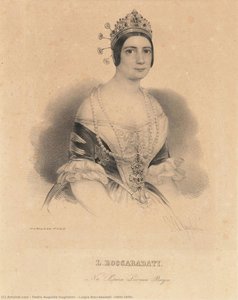
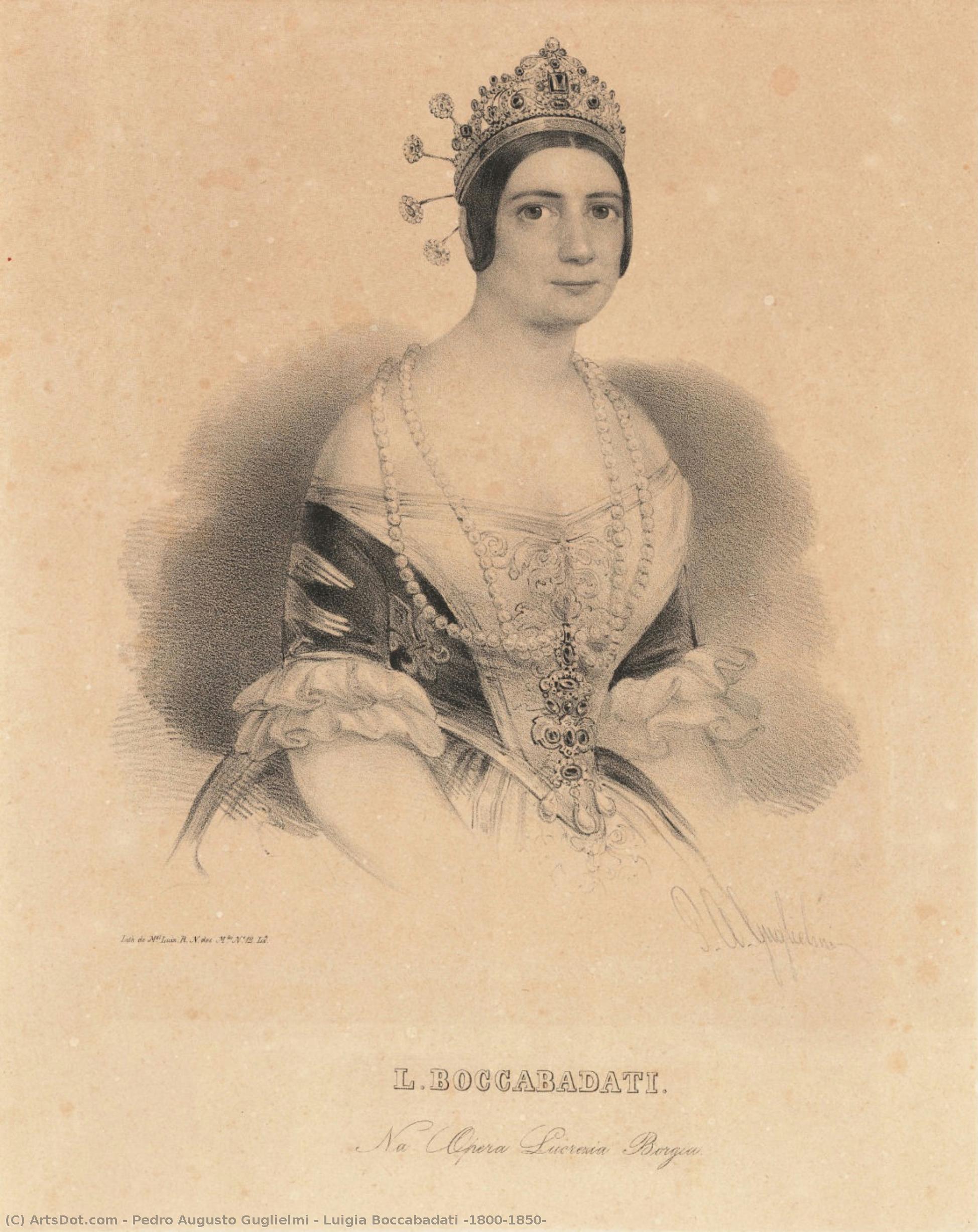
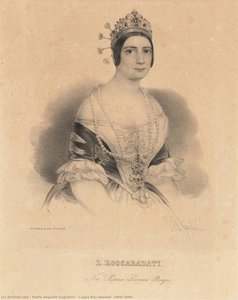
Luigia Boccabadati (1800-1850)
 1800
1800 32.0 x 28.0 cm
 Museu Nacional da Música
 Read More
Hand Made Oil Reproduction
Hand-painted oil on canvas in your size and frame, made to order by our artists. ( Buy Print Buy Image)




































Pick from our preset sizes that match the artwork's original proportions.

You may enter your own dimensions to fit a specific frame or space. If your selected size does not match the original image's proportions, we will either crop the artwork or extend the painting with additional hand-painted elements. A digital mockup will be sent for your approval before production begins.
Please note that the on-screen preview does not reflect the actual cropping or extension. Only the mockup will accurately show the final composition.
While custom sizes are available, we recommend selecting a dimension from the predefined list to preserve the original proportions.
After order, ArtsDot.com team will email client for instructions and provide a mockup preview
Worldwide Delivery () in 3/4 weeks instead of standard 5 weeks. (25 August). No compromise on quality.

Free Worldwide Express Shipping

High-Quality Linen Canvas

Full Shipping Insurance

Customs Tax Refund Guarantee

True Color Matching Guarantee

60-Day Return Policy (Defects Only)

100% Money-Back Guarantee

Bulk Discount Offer
 Glass option is only available in size under 110 CM

Luigia Boccabadati (1800-1850)
Reproduction Medium
Reproduction Size
-


Total Price
$ 263
Artwork Description
Related Artworks



Artist Biography
A Lithographer's Legacy in Romantic Portugal
The mid-nineteenth century in Portugal was a period defined by the sweeping currents of Romanticism, an era where artists sought to bridge the gap between classical perfection and raw, emotional expression. Within this vibrant cultural landscape, Pedro Augusto Guglielmi (1811–1854) emerged as a vital, if somewhat understated, figure. Though his life remains shrouded in the quiet mysteries of history, his artistic output provides a profound window into the aesthetic soul of Lisbon during a time of great transition. Born in Portugal, Guglielmi did not merely observe the changing tides of art; he actively participated in the dissemination of European greatness through the innovative medium of lithography.
Guglielmi’s artistry was deeply rooted in a reverence for tradition, yet he embraced the technological advancements of his age. He became particularly renowned for his mastery of the lithographic process—a technique pioneered by Aloist Senefelder that revolutionized the way art could be shared beyond the walls of royal palaces. Unlike the harsher lines of traditional etching, Guglielmi utilized lithography to achieve a breathtaking range of tonal gradations and delicate textures. This allowed him to translate the monumental weight of oil paintings into a more intimate, reproducible format, capturing the subtle play of light and shadow that defines the masters of the past.
Bridging Spanish Grandeur and Portuguese Vision
One of Guglielmi’s most significant contributions to the art world was his role as a visual messenger for the Spanish Royal Collection. Through his meticulous reproductions, he brought the genius of legendary painters such as Francisco Goya and Diego Velázquez to a wider audience. These works were far more than mere mechanical copies; Guglielmi infused each print with a stylistic elegance that resonated with the Romantic spirit. He possessed a rare ability to maintain faithful representation while imbuing his prints with an expressive quality, prioritizing emotional resonance and a sense of movement that mirrored the brushstrokes of the original masters.
Beyond his celebrated reproductions, Guglielmi was a gifted portraitist capable of capturing the very essence of his subjects. His portraits are noted for their refined compositional balance and a meticulous attention to detail that speaks to a deep understanding of human character. One of his most evocative works remains his depiction of the Italian soprano Luigia Boccabadati, where he captures her dressed as Lucrezia Borgia. In such works, one sees the intersection of his technical precision and his ability to convey the theatricality and drama inherent in the Romantic era.
Artistic Significance and Enduring Impression
The legacy of Pedro Augusto Guglielmi lies in his ability to act as a bridge between eras and nations. By translating the grandeur of Spanish masters into the accessible medium of lithography, he helped foster a shared European visual language. His work represents a moment in history where technical innovation met classical devotion, creating a lasting impact on how art was consumed and appreciated in Portugal.
While his biography may be sparse, the traces of his talent remain visible in the delicate textures and soulful expressions of his surviving works. He remains a testament to the power of the artist as both a creator and a curator of beauty, ensuring that the light of the Old Masters continued to shine brightly through the lens of 19th-century Romanticism.
pedro augusto guglielmi
1811 - 1854 , Portugal
Quick Facts
- Artistic Movement Or Style: Lithography
- Date Of Death: 1854
- Full Name: Pedro Augusto Guglielmi
- Nationality: Portuguese
- Notable Artworks: ['Luigia Boccabadati']
- Place Of Birth: Portugal