 Preview
 Send
Send Share
Share
 Details

 Download
 Similars
 X-Ray
X-Ray Diaporama
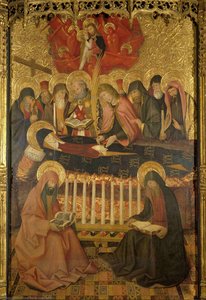
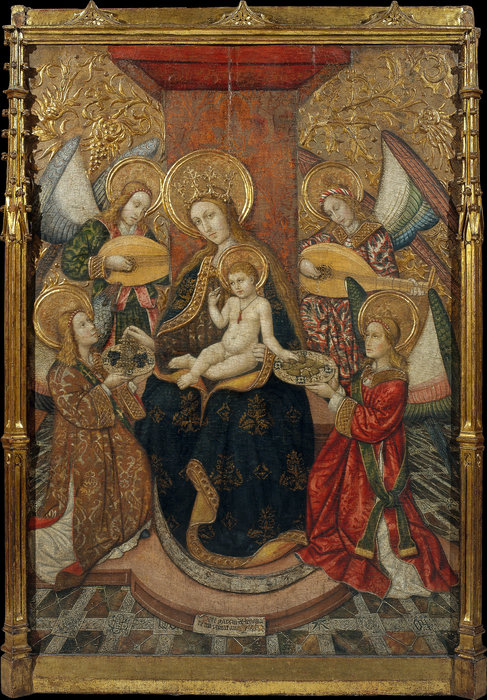
Garcia de - (211 x 147 CM) (1470)
 Read More
Giclée / Art Print
Museum-quality giclée or canvas print with fast production and flexible finish options. ( Buy Hand Made Painting Buy Image)




































Pick from our preset sizes that match the artwork's original proportions.

You may enter your own dimensions to fit a specific frame or space. If your selected size does not match the original image's proportions, we will either crop the artwork or extend the image with a mirrored or solid-fill edge. A digital mockup will be sent for your approval before production begins.
Please note that the on-screen preview does not reflect the actual cropping or extension. Only the mockup will accurately show the final composition.
While custom sizes are available, we recommend selecting a dimension from the predefined list to preserve the original proportions.
Worldwide Delivery () in 2 weeks instead of standard 4/5 weeks. (24 August)

Free Worldwide Express Shipping

High-Quality Linen Canvas

Full Shipping Insurance

Customs Tax Refund Guarantee

True Color Matching Guarantee

60-Day Return Policy (Defects Only)

100% Money-Back Guarantee

Bulk Discount Offer
 Glass option is only available in size under 110 CM

Garcia de - (211 x 147 CM) (1470)
Giclée / Art Print
Reproduction Size
-


Total Price
$ 63
Related Artworks








Artist Biography
A Legacy Forged in Faith: The Life and Art of Pedro García de Benabarre
Pedro García de Benabarre, a name resonating within the annals of Spanish Renaissance art, stands as a testament to the enduring power of religious devotion translated into breathtaking visual form. While biographical details surrounding his life remain somewhat elusive – a common characteristic for artists working in the intensely spiritual context of 15th-century Spain – the sheer volume and profound impact of his surviving works speak volumes about his skill, dedication, and artistic vision. Born sometime in the latter half of the 15th century, Benabarre flourished during a period of significant transition in Spanish art, bridging the gap between the late Gothic traditions and the burgeoning Renaissance aesthetic arriving from Italy. He wasn’t merely replicating styles; he was synthesizing them with deeply ingrained Iberian sensibilities, creating a uniquely Spanish expression of religious narrative.The Workshop and Early Influences
Benabarre's artistic journey likely began within the confines of a workshop – the traditional training ground for aspiring painters in that era. The precise location of this formative apprenticeship remains unknown, though scholars posit connections to workshops active in Aragon or Valencia, regions known for their vibrant religious communities and patronage. The influence of earlier masters is subtly present in his early works; one can detect echoes of the International Gothic style in the delicate drapery and refined facial features of his figures. However, Benabarre quickly moved beyond mere imitation. He absorbed these influences, refining them with a growing emphasis on naturalism and emotional depth. His work is characterized by an exquisite attention to detail, particularly in rendering textures – from the shimmering gold leaf adorning saints’ halos to the rough-hewn wood of the crosses they bear. This meticulous approach wasn't simply about technical prowess; it was a deliberate attempt to imbue his paintings with a sense of tangible reality, drawing viewers closer to the sacred stories he depicted.Themes and Techniques: A Painter of Devotion
The vast majority of Benabarre’s oeuvre revolves around religious subjects – scenes from the life of Christ, depictions of the Virgin Mary, and portraits of saints. He was particularly adept at portraying moments of intense spiritual drama, such as the Crucifixion, the Pietà, or the Annunciation. His compositions are often characterized by a sense of restrained emotion, avoiding overt displays of sentimentality in favor of quiet contemplation and profound reverence. Benabarre’s technique is masterful, employing tempera on wood panel with remarkable skill. He layered colors meticulously, creating luminous surfaces that seem to radiate an inner light. His use of gold leaf was not merely decorative; it served as a symbolic representation of the divine presence, highlighting the sacred nature of his subjects. Furthermore, he demonstrated a keen understanding of perspective, though often employing it in a subtle and intuitive manner rather than adhering strictly to Italian Renaissance principles. He favored rich, saturated colors – deep blues, vibrant reds, and earthy ochres – creating a visual language that was both powerful and deeply moving.Major Achievements and Lasting Significance
Identifying specific “major” works by Benabarre is complicated by the fact that many of his paintings were created for altarpieces or private chapels, often remaining in situ for centuries. However, several panels attributed to him – particularly those depicting scenes from the Passion of Christ – are widely recognized as masterpieces of Spanish Renaissance art. These works showcase his ability to convey complex theological ideas through compelling visual narratives.- His depictions of suffering are not gratuitous but rather serve to emphasize the sacrifice and redemption offered by Christ.
- The figures in his paintings possess a quiet dignity and humanity, inviting viewers to empathize with their plight.
- Benabarre’s masterful use of color and light creates an atmosphere of profound spiritual contemplation.