 Preview
 Send
Send Share
Share
 Details

 Download
 Similars
 X-Ray
X-Ray Diaporama
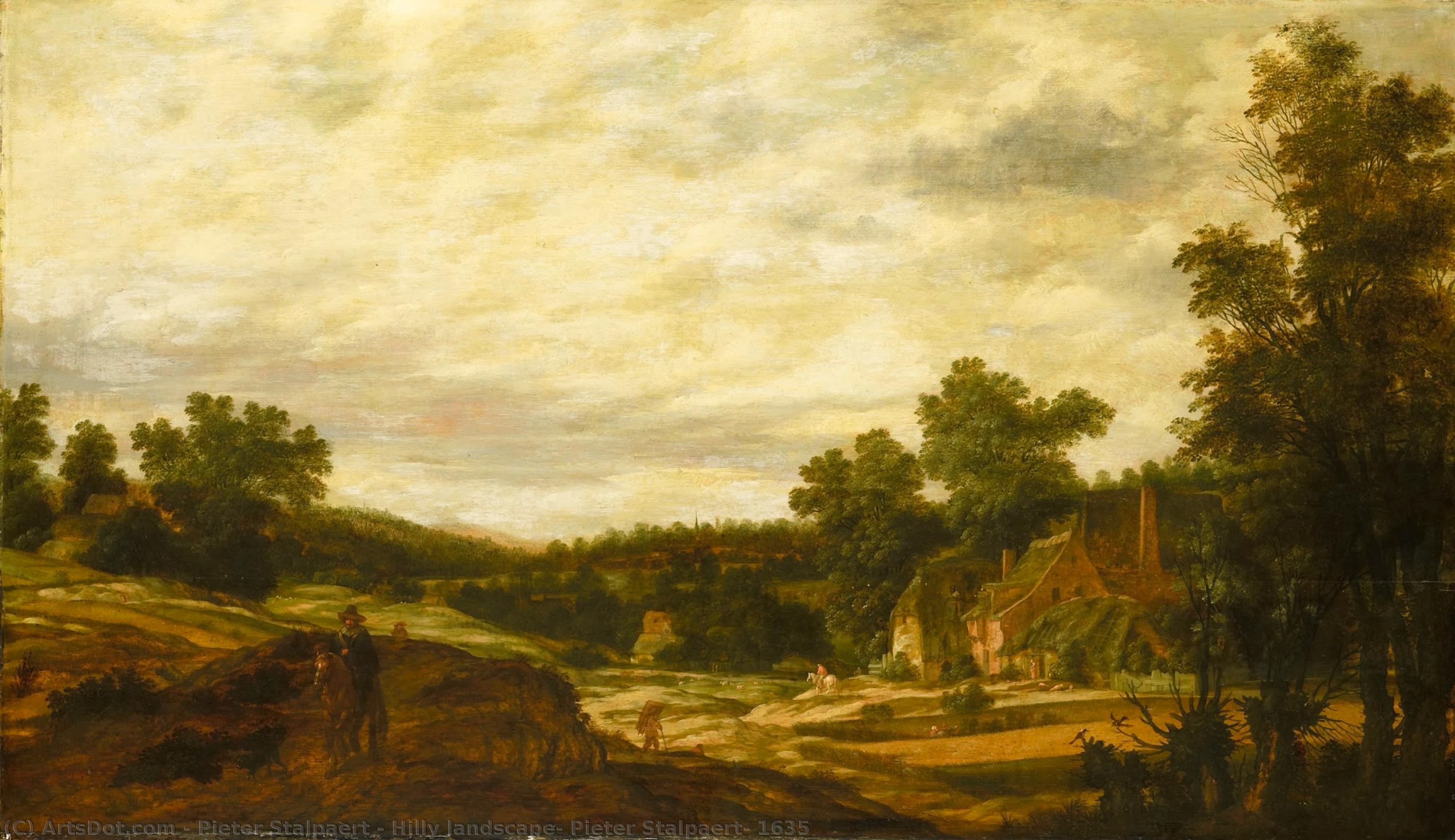
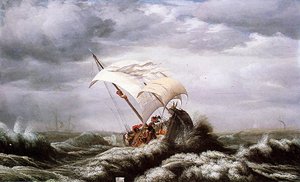
Hilly landscape, Pieter Stalpaert, 1635
 1635
1635 67.0 x 115.0 cm
 Read More
Giclée / Art Print
Museum-quality giclée or canvas print with fast production and flexible finish options. ( Buy Hand Made Painting Buy Image)




































Pick from our preset sizes that match the artwork's original proportions.

You may enter your own dimensions to fit a specific frame or space. If your selected size does not match the original image's proportions, we will either crop the artwork or extend the image with a mirrored or solid-fill edge. A digital mockup will be sent for your approval before production begins.
Please note that the on-screen preview does not reflect the actual cropping or extension. Only the mockup will accurately show the final composition.
While custom sizes are available, we recommend selecting a dimension from the predefined list to preserve the original proportions.
Worldwide Delivery () in 2 weeks instead of standard 4/5 weeks. (17 August)

Free Worldwide Express Shipping

High-Quality Linen Canvas

Full Shipping Insurance

Customs Tax Refund Guarantee

True Color Matching Guarantee

60-Day Return Policy (Defects Only)

100% Money-Back Guarantee

Bulk Discount Offer
 Glass option is only available in size under 110 CM

Hilly landscape, Pieter Stalpaert, 1635
Giclée / Art Print
Reproduction Size
-


Total Price
$ 63
Collectible Description
Related Artworks
Artist Biography
François Clouet: A Master of Renaissance Portraiture
Born around 1510 and tragically dying in 1572, François Clouet remains a pivotal figure in the late Northern Renaissance art scene, particularly renowned for his exquisitely detailed portraits of the French court and nobility. While often overshadowed by contemporaries like Hans Holbein the Younger, Clouet’s work possesses a unique elegance and psychological depth that continues to captivate viewers today. His legacy rests not on grand, revolutionary innovations but rather on a consistent pursuit of refined realism and an uncanny ability to capture the essence of his subjects – their status, personality, and even a hint of their inner lives.
Clouet’s early career is somewhat shrouded in mystery, though it's believed he was apprenticed to Jean Fouquet, a prominent artist known for his illuminated manuscripts and portraiture. This formative period undoubtedly instilled in him a deep appreciation for detail and a sophisticated understanding of artistic conventions. He quickly established himself as a sought-after portraitist, initially serving the court of Francis I of France at Fontainebleau. It was during this time that he began to develop his signature style – characterized by meticulous observation, subtle expressions, and an almost photographic quality in rendering fabrics, jewelry, and other accessories.
The Influence of Bronzino and Mannerism
Clouet’s work is inextricably linked to the broader artistic currents of the late 16th century. He was deeply influenced by the Florentine painter Agnolo di Cosimo, known as Bronzino, a leading figure in the Mannerist movement. Bronzino's emphasis on cool colors, stylized figures, and an intellectualized approach to portraiture resonated strongly with Clouet. However, unlike Bronzino’s often overtly artificial style, Clouet retained a greater sense of naturalism, carefully balancing the influence of Mannerism with traditional Renaissance ideals.
The impact of Mannerism is evident in Clouet's compositions – frequently employing pyramidal arrangements and careful attention to detail. He was particularly adept at capturing the textures of luxurious fabrics, such as velvet, silk, and brocade, using a subtle layering of colors and meticulous rendering of folds and creases. His portraits are not merely representations of appearance; they are carefully constructed narratives that reveal the social status, wealth, and personality of their subjects. He frequently depicted members of the French court, including Francis I himself, as well as prominent figures like Claude Gouffier, a renowned diplomat and advisor to the king.
Technique and Style: A Portrait of Precision
Clouet’s technical skill is truly remarkable. His portraits are characterized by an astonishing level of detail – from the individual strands of hair to the intricate patterns on clothing. He employed a technique known as *pointillé*, using numerous small, closely spaced dots to create smooth gradations of tone and texture. This method allowed him to achieve a remarkably realistic effect, particularly in rendering skin tones and fabrics.
Furthermore, Clouet was a master of capturing subtle expressions. His portraits are not stiff or formal; they convey a sense of personality and emotion. He paid close attention to the eyes, capturing fleeting moments of thought, amusement, or contemplation. His ability to portray psychological depth within a relatively small format is a testament to his artistic skill and sensitivity.
Legacy and Historical Significance
Despite not achieving widespread fame during his lifetime, François Clouet’s work has been recognized as a significant contribution to the history of portraiture. His portraits offer invaluable insights into the lives and personalities of the French court in the late 16th century. His meticulous attention to detail and psychological realism set him apart from many of his contemporaries, establishing him as one of the most accomplished portraitists of his era.
Today, Clouet’s portraits are housed in major museums around the world, including the Louvre Museum in Paris and the National Gallery in London. They continue to be admired for their beauty, elegance, and enduring appeal – a testament to the skill and artistry of this often-overlooked master of Renaissance portraiture.
peeter stalpaert
1572 - , Belgium
Quick Facts
- Artistic Movement Or Style: Mannerism
- Artists Or Movements Influenced By This Artist:
- Bronzino
- Renaissance Painting
- Artists Who Influenced This Artist:
- Michelangelo
- Pontormo
- Date Of Birth: c. 1510
- Date Of Death: 22 December 1572
- Full Name: François Clouet
- Nationality: French
- Notable Artworks:
- Portrait of a Young Man
- Portraits of Francis I
- Place Of Birth: France