 Preview
 Send
Send Share
Share
 Details

 Download
 Similars
 X-Ray
X-Ray Diaporama
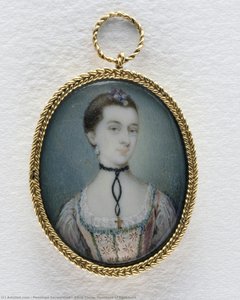
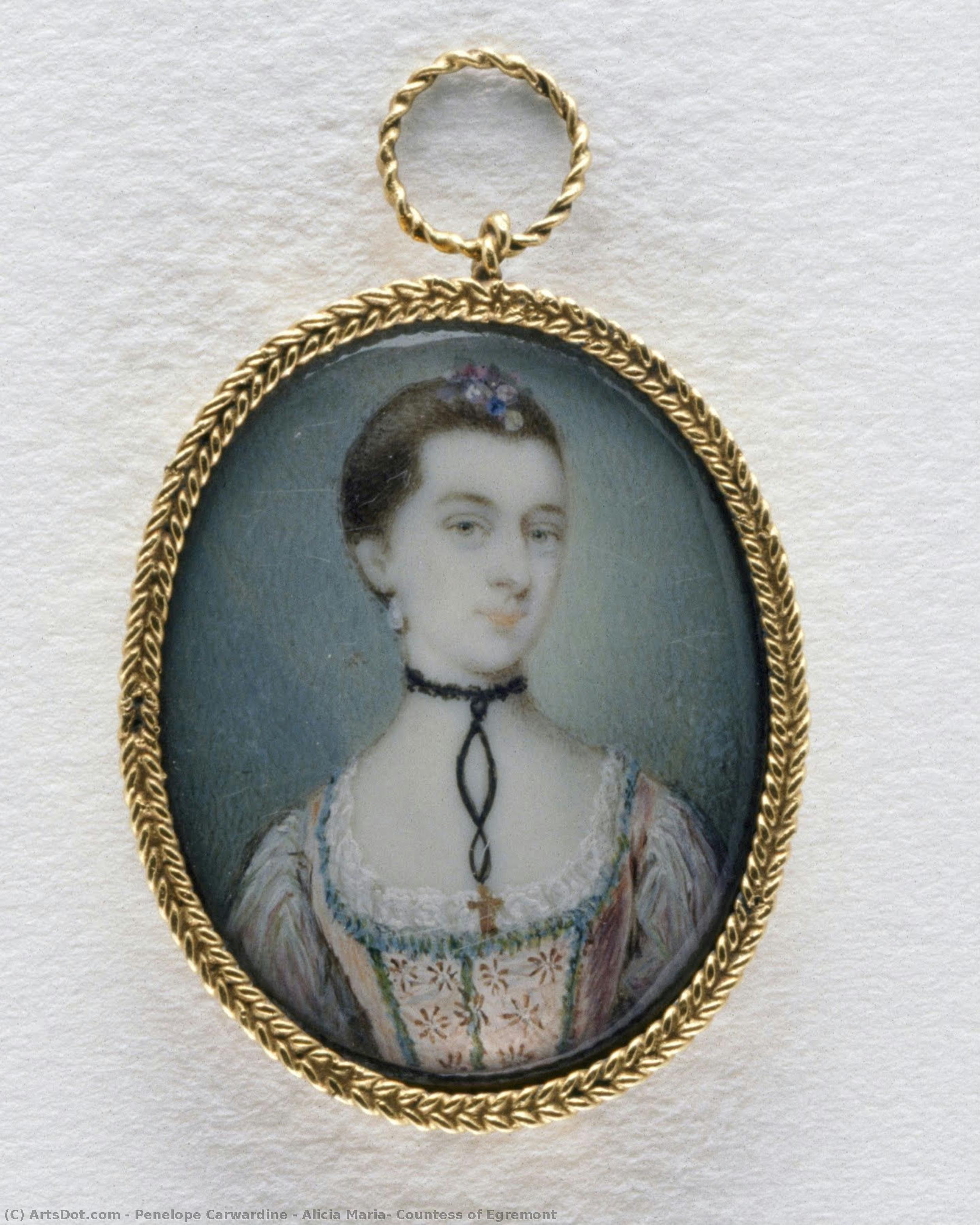
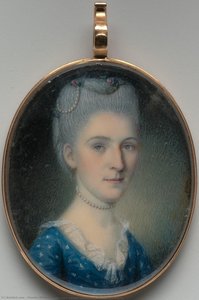
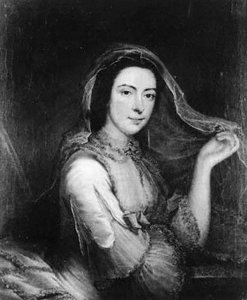
Alicia Maria, Countess of Egremont
 1757
1757 3.0 x 2.0 cm
 Read More
Giclée / Art Print
Museum-quality giclée or canvas print with fast production and flexible finish options. ( Buy Hand Made Painting Buy Image)




































Pick from our preset sizes that match the artwork's original proportions.

You may enter your own dimensions to fit a specific frame or space. If your selected size does not match the original image's proportions, we will either crop the artwork or extend the image with a mirrored or solid-fill edge. A digital mockup will be sent for your approval before production begins.
Please note that the on-screen preview does not reflect the actual cropping or extension. Only the mockup will accurately show the final composition.
While custom sizes are available, we recommend selecting a dimension from the predefined list to preserve the original proportions.
Worldwide Delivery () in 2 weeks instead of standard 4/5 weeks. (27 August)

Free Worldwide Express Shipping

High-Quality Linen Canvas

Full Shipping Insurance

Customs Tax Refund Guarantee

True Color Matching Guarantee

60-Day Return Policy (Defects Only)

100% Money-Back Guarantee

Bulk Discount Offer
 Glass option is only available in size under 110 CM

Alicia Maria, Countess of Egremont
Giclée / Art Print
Reproduction Size
-


Total Price
$ 63
Collectible Description
Related Artworks




Artist Biography
A Delicate Hand Amidst Financial Ruin
In the quiet, pastoral corners of eighteenth-century England, where the fortunes of landed families could shift as mercurially as the weather, Penelope Carwardine emerged not merely as a lady of gentle birth, but as a resilient force of artistic necessity. Born around 1729 in Withington, Herefordshire, her early life was marked by the shadows cast by her father’s extravagant financial failures. As the daughter of John Carwardint, she witnessed the erosion of her family's estate, a circumstance that transformed what might have been a mere genteel pastime—the delicate art of watercolor—into a vital professional pursuit. This transition from amateur to professional miniature painter was a courageous response to hardship, allowing her to navigate the precarious social landscape of the Georgian era with a brush in hand and a profound sense of purpose.
Her upbringing instilled in her a deep appreciation for the minute details of the world around her, a quality that would later define her career. While many women of her station were taught painting as a decorative skill, Carwardine pursued it with a technical rigor that commanded respect within the burgeoning London art scene. Her journey was one of transformation, where the loss of material wealth was compensated by the acquisition of a masterful, enduring talent.
The Luminous Art of the Modest School
Carwardine’s mastery was defined by an exquisite precision that captured the very soul within an intimate, small-scale frame. Having honed her craft under the tutelage of Ozias Humphrey, she developed a technique that became her hallmark: the use of translucent watercolors on ivory. This method allowed the natural, pale glow of the ivory support to shine through the pigment, lending a lifelike, ethereal luminosity to the flesh tones of her subjects. She was a prominent figure within the so-called Modest School of English miniaturists, a group celebrated for their dedication to capturing the essential character and quiet dignity of their sitters without excessive or distracting ornamentation.
The technical brilliance of her work lay in its ability to balance strength with softness. Her portraits were not merely likenesses but emotional windows, utilizing subtle nuances in color and light to convey depth. The use of more translucent colors for skin tones reflected the significant developments in miniature painting during this period, a blossoming of the art form that allowed for a level of realism and intimacy previously unseen in the medium.
Legacy and the Social Tapestry of Portraiture
The career of Penelope Carwardine was inextricably linked to the vibrant artistic community of London. From her early exhibitions at the Incorporated Society of Artists in the 1760s, where she presented herself under the name Mrs. Thomas Carwardine, to her later years, her presence was felt among the luminaries of her age. She moved within circles that included the great Joshua Reynolds, and her talent earned her the attention of notable figures whose lives were captured in her delicate strokes. Her work provided a sense of permanence to the fleeting moments of high society.
However, as was the custom for women of her station, her professional journey took a quiet pause following her marriage to Thomas Butler in 1772. As social customs dictated, she stepped away from her business, yet the impact of her artistry remained etched in the history of English portraiture. Her legacy is found in the enduring charm of her miniatures—small, precious artifacts that continue to offer a glimpse into the elegance and intimacy of a bygone era. Through her work, Carwardine proved that even the smallest canvas can hold the weight of an entire lifetime of skill and spirit.
penelope carwardine
1729 - 1804 , United Kingdom
Quick Facts
- Artistic Movement Or Style: Modest School of miniaturists
- Artists Or Movements Influenced By This Artist:
- Peter Paul Lens
- Gervase Spencer
- Artists Who Influenced This Artist: ['Ozias Humphrey']
- Date Of Birth: c. 1729
- Date Of Death: 1805
- Full Name: Penelope Carwardine (Butler)
- Nationality: English
- Notable Artworks: ['Watercolor paintings']
- Place Of Birth: Withington, United Kingdom