

 Preview
 Send
Send Share
Share
 Details

 Download
 Similars
 X-Ray
X-Ray Diaporama
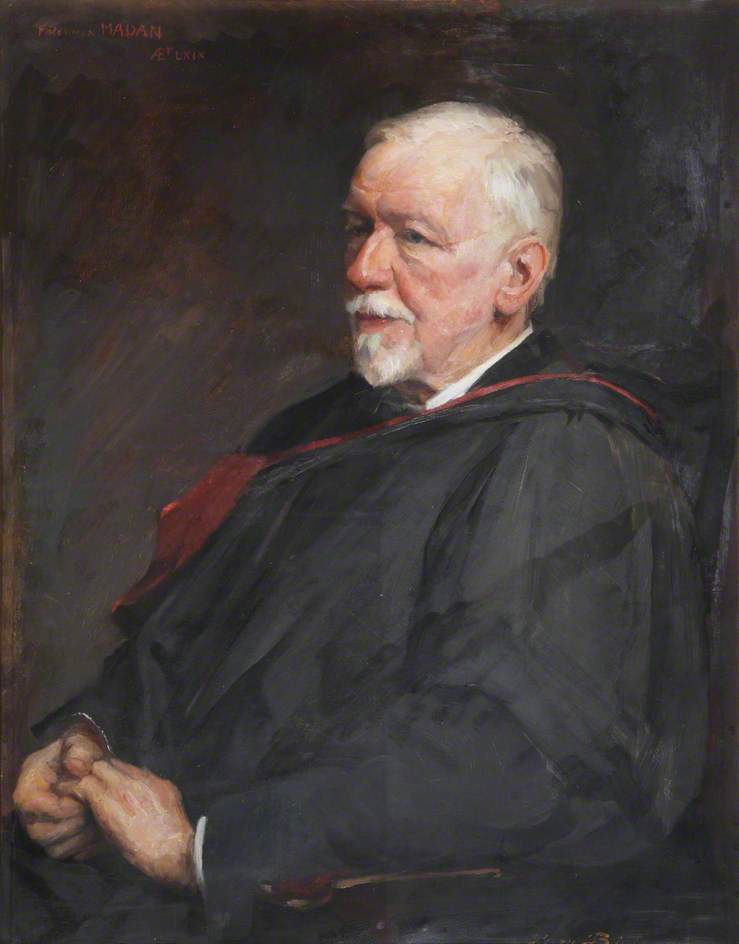
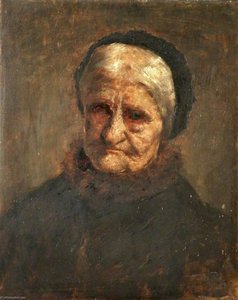
Falconer Madan (1851–1935)
 76.0 x 64.0 cm
 Bodleian Libraries
 Read More
Purchase a high-resolution, enhanced digital image, far superior to the online preview.
Each file is meticulously prepared by our in-house specialists using advanced tools and expert manual retouching. We ensure every image has exceptional clarity, precise color accuracy, and fine detail.
The final file is delivered via email within 72 hours, optimized for immediate use in professional, editorial, and print environments. This is the same quality trusted by top-tier design studios, publishers, and galleries.
Digital Image
Download a high-resolution file for personal display, printing, and creative projects. ( Buy Print Buy Hand Made Painting)
Included in Every Digital Image Order
Expert Digital Delivery, Guaranteed
When you choose ArtsDot.com, you're not just getting an image - you're receiving a professionally enhanced digital artwork, crafted with precision and backed by a satisfaction guarantee. Here's everything that comes with your order, automatically:

Fast Email Delivery
Your high-resolution digital image file will be emailed to you within 72 hours of ordering - ready for immediate use.

AI-Enhanced Digital File
Your artwork is professionally optimized using advanced AI tools and manual editing, ensuring maximum detail, clarity, and color accuracy.

Free Lifetime Re-Delivery
Accidentally deleted or lost your file? No worries - we'll resend it to you anytime, free of charge.

No Import Fees - Ever
Enjoy your artwork instantly with zero customs, duties, or delivery fees - digital downloads are always tax-free.

Color Accuracy Guarantee
We ensure your digital image reflects the original colors as closely as possible using professional tools and color management.

60-Day Satisfaction Guarantee
If you're not satisfied with your digital image, we'll revise it or refund 100% within 60 days - no questions asked.

100% Money-Back Guarantee
Not satisfied? Get a full refund within 60 days of receiving your digital file - no questions asked.

Bulk Order Discounts
Buy 3 images, save 10% - Buy 5, save 15% - Buy 10+, save 20%. Great for creative projects, galleries, and agencies.
Related Artworks







Artist Biography
Percy Bigland: A Victorian Portraitist of Dignity and Detail
Percy Bigland (1858-1926) stands as a significant, yet often overlooked, figure in 19th-century British portraiture. Born into a Quaker family in Wallasey, Cheshire, his artistic journey began not within the traditional confines of formal training but through self-directed study in Munich, Germany – a period that profoundly shaped his aesthetic sensibilities and technical skill. Returning to England, Bigland established himself as a respected artist, primarily known for his meticulously rendered portraits of prominent figures, including Prime Minister William Gladstone, members of the Royal Family, and notable industrialists and politicians. His work offers a fascinating glimpse into Victorian society, capturing not just likenesses but also the dignity, gravitas, and subtle nuances of character that defined its elite circles.
Bigland’s early life instilled in him a quiet observation and an appreciation for detail – qualities that would become hallmarks of his artistic style. His Quaker upbringing fostered a sense of integrity and a respect for truthfulness, which he translated into his portraits through careful study of anatomy, light, and shadow. Unlike the often flamboyant styles of some contemporary portraitists, Bigland favored a restrained elegance, employing a classical approach rooted in academic training but infused with a distinctly personal vision. He was a regular exhibitor at institutions like the Royal Academy and the Royal Society of Portrait Painters, gaining recognition for his technical proficiency and ability to capture the essence of his subjects.
The Gladstone Portraits: A Defining Series
Perhaps Bigland’s most enduring legacy lies in his series of portraits depicting William Ewart Gladstone. These works – including the iconic image of Gladstone seated at his desk, now housed in the National Portrait Gallery – are not merely representations of a political figure; they are profound studies in character and intellect. Bigland meticulously captured Gladstone's furrowed brow, intense gaze, and the weight of responsibility etched upon his face. The portraits convey a sense of both strength and vulnerability, reflecting the complexities of Gladstone’s life and career. The use of chiaroscuro – dramatic contrasts between light and dark – is particularly effective in highlighting Gladstone’s features and creating a powerful emotional impact.
Beyond the sheer technical skill involved, these portraits demonstrate Bigland's ability to imbue his subjects with a sense of humanity. He avoided simplistic depictions, instead presenting Gladstone as a complex individual grappling with weighty decisions and enduring personal challenges. The subtle details – the texture of his clothing, the arrangement of objects on his desk, the way he holds his pen – all contribute to a richly layered portrayal that transcends mere likeness.
Technique and Influences
Bigland’s artistic technique was characterized by a meticulous attention to detail and a mastery of oil painting. He employed a layering approach, building up color gradually through numerous thin glazes, creating a luminous and textured surface. His use of impasto – applying paint thickly in certain areas – added depth and dimension to his portraits, particularly in the rendering of fabrics and textures. While influenced by the academic tradition of portraiture, Bigland also drew inspiration from the works of earlier masters, such as Rembrandt and Anthony van Dyck, evident in his masterful use of light and shadow.
Furthermore, Bigland’s time spent in Munich exposed him to a broader range of artistic influences, including Impressionism. Although he never fully embraced the Impressionist style, elements of its emphasis on capturing fleeting moments of light and color can be detected in some of his later works. His portraits of Elizabeth Hanbury, a centenarian who sat for him in 1893, demonstrate this shift towards a more atmospheric approach to portraiture.
Legacy and Recognition
Despite not achieving the widespread fame of some of his contemporaries, Percy Bigland’s work has been steadily recognized for its quality and historical significance. His portraits are now held in numerous public collections across Britain, including the National Portrait Gallery, the Williamson Art Gallery in Birkenhead (where a portrait of his brother Alfred Bigland is displayed), and various regional museums. His meticulous attention to detail, combined with his ability to capture the essence of his subjects, ensures that his work continues to resonate with viewers today.
Bigland’s contribution to Victorian portraiture lies not only in his technical skill but also in his quiet dignity and understated elegance. He was a master of his craft, producing portraits that are both aesthetically pleasing and historically informative – offering valuable insights into the lives and times of those who shaped Britain's social and political landscape.
percy bigland
1856 - 1926
Quick Facts
- Artistic Movement Or Style: Portraiture
- Artists Or Movements Influenced By This Artist: ['Royal Society Painters']
- Artists Who Influenced This Artist: ['Sidcot School']
- Date Of Birth: 1858-11-27
- Date Of Death: 1926-04-08
- Full Name: Percy Bigland
- Nationality: English
- Notable Artworks:
- Gladstone Portraits
- Alfred Bigland
- Henrietta Busk
- Place Of Birth: Wallasey, Cheshire

