 Preview
 Send
Send Share
Share
 Details

 Download
 Similars
 X-Ray
X-Ray Diaporama
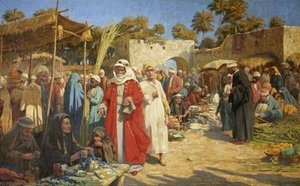
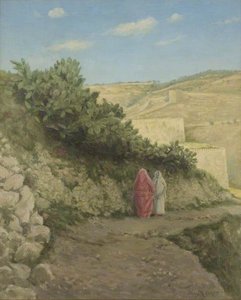
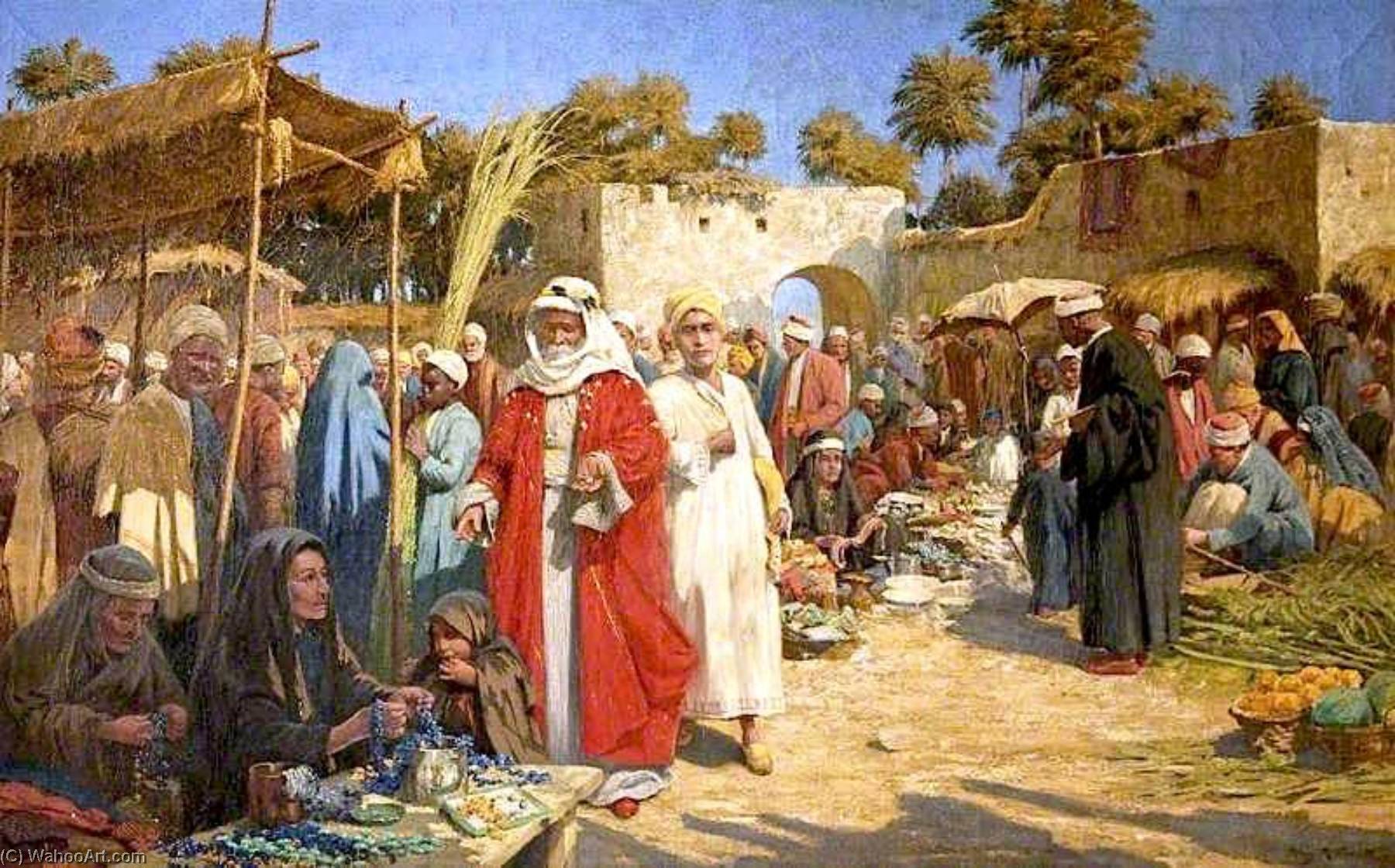
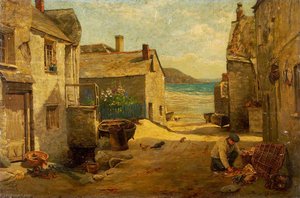
In a Damascus Market, Syria


 Read More
Hand Made Oil Reproduction
Hand-painted oil on canvas in your size and frame, made to order by our artists. ( Buy Print Buy Image)




































Pick from our preset sizes that match the artwork's original proportions.

You may enter your own dimensions to fit a specific frame or space. If your selected size does not match the original image's proportions, we will either crop the artwork or extend the painting with additional hand-painted elements. A digital mockup will be sent for your approval before production begins.
Please note that the on-screen preview does not reflect the actual cropping or extension. Only the mockup will accurately show the final composition.
While custom sizes are available, we recommend selecting a dimension from the predefined list to preserve the original proportions.
After order, ArtsDot.com team will email client for instructions and provide a mockup preview
Worldwide Delivery () in 3/4 weeks instead of standard 5 weeks. (23 August). No compromise on quality.

Free Worldwide Express Shipping

High-Quality Linen Canvas

Full Shipping Insurance

Customs Tax Refund Guarantee

True Color Matching Guarantee

60-Day Return Policy (Defects Only)

100% Money-Back Guarantee

Bulk Discount Offer
 Glass option is only available in size under 110 CM

In a Damascus Market, Syria
Reproduction Medium
Reproduction Size
-


Total Price
$ 263
Related Artworks



Artist Biography
The Soul of the Cornish Coast: The Life and Legacy of Percy Robert Craft
The history of British landscape painting is often told through the lens of grand, sweeping vistas, yet some of its most profound emotional resonances are found in the intimate, salt-sprayed corners of the world. Percy Robert Craft (1856–1934) was a master of such intimacy. Born in Worcestershire, England, Craft’s early life was marked by a poignant struggle against hardship; the loss of his father to tuberculosis when he was only eight years and a mere child left an indelible mark on his spirit. This early encounter with fragility and the ephemeral nature of life perhaps fueled his later devotion to capturing the fleeting light and rugged permanence of the Cornish coastline.
Around 1880, Craft found his true artistic home in Mousehole, Cornwall, becoming a vital participant in the Newlyn School. This collective of artists sought to move away from the polished, idealized landscapes of the past, opting instead for an uncompromising honesty. They looked toward the sea, the fishing communities, and the daily rhythms of coastal life. Craft did not merely observe these scenes; he immersed himself in them. Through self-teaching and a relentless dedication to observation, he developed a style that bridged the gap between traditional realism and the burgeoning energy of Post-Impressionism.
Technique, Light, and the Impressionistic Spirit
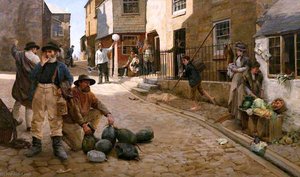
Craft’s mastery lay in his ability to translate the sensory experience of Cornwall onto canvas. His work is characterized by a sophisticated use of color and texture that goes far beyond simple representation. Influenced by the luminous techniques of Jules Bastien-Lepage and the classical elegance of Frederic Leighton, he learned to manipulate light to evoke specific moods—from the bright, salt-crusted clarity of a midday harbor to the melancholic, misty shadows of a twilight sea. His brushwork often employed bold, confident strokes that conveyed movement, whether it was the churning of waves or the bustling activity of a street scene.
While many associate him strictly with seascapes, his versatility allowed him to explore diverse subject matters with equal fervor:
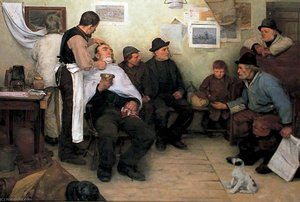
- Genre Scenes: Works such as "Barber's Shop" (1900) reveal his talent for capturing the warmth of human connection and the quiet dignity of everyday urban life.
- Narrative Landscapes: In pieces like "Hevva Hevva" (1887), he utilized a more atmospheric approach, blending elements of Symbolism to inject subtle narratives into his compositions.
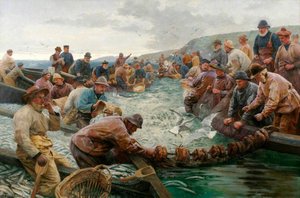
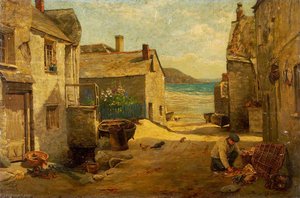
- Coastal Realism: His depictions of fishing boats and the labor of the Newlyn fishermen remain some of his most enduring contributions, rendered with a meticulous attention to the grit and reality of maritime life.
Historical Significance and Artistic Endurance
The significance of Percy Robert Craft extends beyond his individual technical achievements. He stood at a pivotal moment in art history, helping to transition British art from the rigid structures of the Victorian era toward the more emotive, light-focused explorations of the modern age. His ability to blend Impressionistic luminosity with a deep, grounded connection to local tradition helped define the identity of the Newlyn School for generations to come.
With an output exceeding 300 paintings, Craft left behind a vast visual record of a disappearing way of life. Today, his works reside in prestigious collections such as the Penlee House Gallery - Museum in Penzance and the Ramsgate Library, serving as enduring echoes of the Cornish landscape. To look upon a Craft painting is to experience more than just a view; it is to feel the dampness of the Atlantic mist, the weight of the fishing nets, and the timeless, rhythmic pulse of the sea that so profoundly shaped his creative soul.
percy robert craft
1856 - 1934
Quick Facts
- Artistic Movement Or Style: Newlyn School
- Artists Or Movements Influenced By This Artist: ['Impressionism']
- Artists Who Influenced This Artist:
- Georges Seurat
- Claude Monet
- Date Of Birth: 1856
- Date Of Death: 1934
- Full Name: Percy Robert Craft
- Nationality: British
- Notable Artworks:
- The Fishing Boats
- Coastal Landscape
- Place Of Birth: Cornwall, England