 Preview
 Send
Send Share
Share
 Details

 Download
 Similars
 X-Ray
X-Ray Diaporama
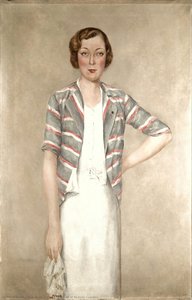
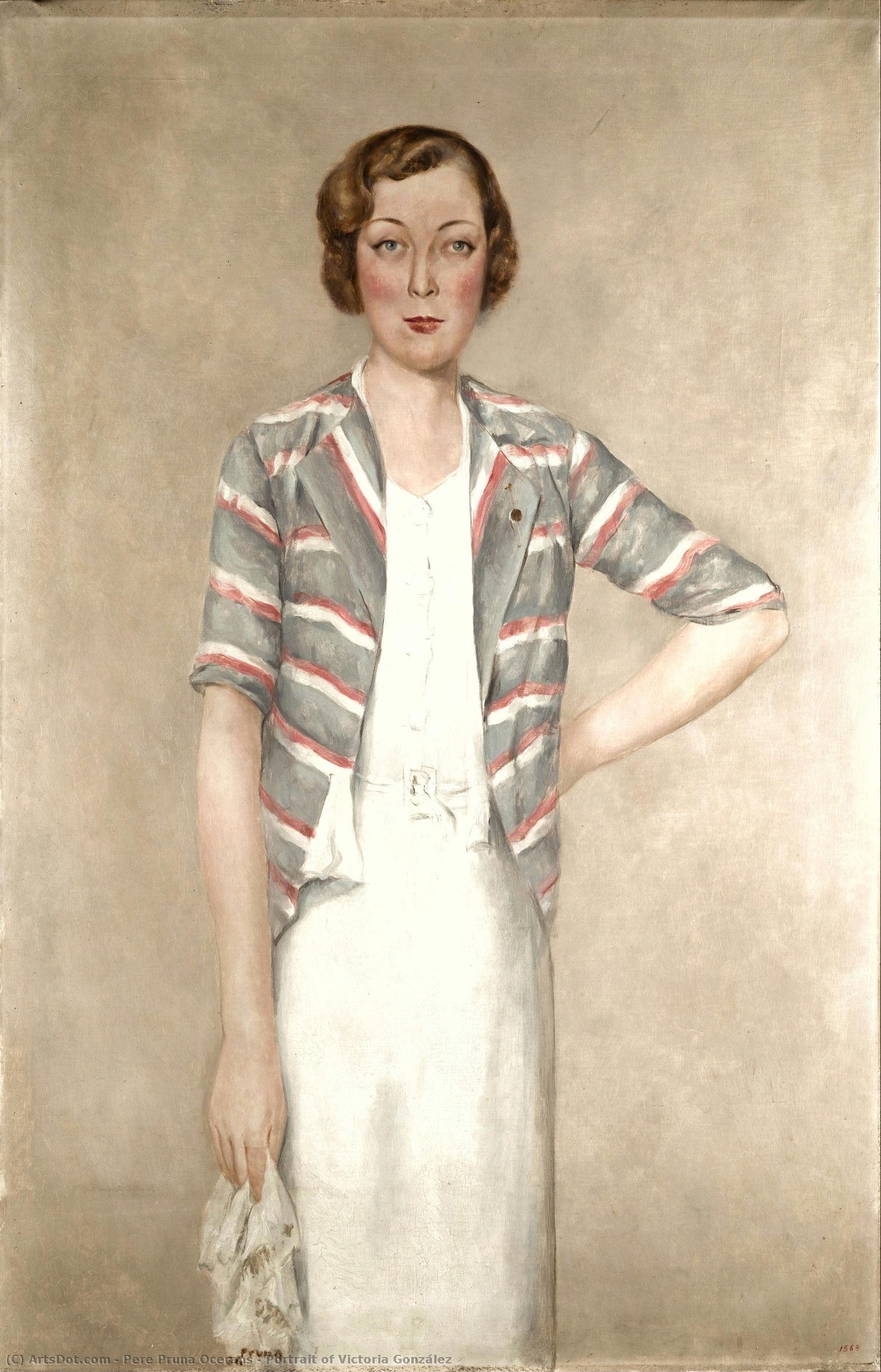
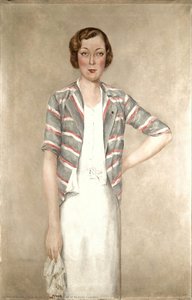
Portrait of Victoria González


 Read More
Hand Made Oil Reproduction
Hand-painted oil on canvas in your size and frame, made to order by our artists. ( Buy Print Buy Image)




































Pick from our preset sizes that match the artwork's original proportions.

You may enter your own dimensions to fit a specific frame or space. If your selected size does not match the original image's proportions, we will either crop the artwork or extend the painting with additional hand-painted elements. A digital mockup will be sent for your approval before production begins.
Please note that the on-screen preview does not reflect the actual cropping or extension. Only the mockup will accurately show the final composition.
While custom sizes are available, we recommend selecting a dimension from the predefined list to preserve the original proportions.
After order, ArtsDot.com team will email client for instructions and provide a mockup preview
Worldwide Delivery () in 3/4 weeks instead of standard 5 weeks. (5 September). No compromise on quality.

Free Worldwide Express Shipping

High-Quality Linen Canvas

Full Shipping Insurance

Customs Tax Refund Guarantee

True Color Matching Guarantee

60-Day Return Policy (Defects Only)

100% Money-Back Guarantee

Bulk Discount Offer
 Glass option is only available in size under 110 CM

Portrait of Victoria González
Reproduction Medium
Reproduction Size
-


Total Price
$ 263
Related Artworks








Artist Biography
The Luminous Legacy of Pere Pruna Ocerans
In the vibrant tapestry of twentieth-century Spanish art, few threads are as intricately woven with both classical grace and modern tension as those left by Pere Pruna Ocerans. Born in Barcelona in 1904, Pruna emerged from a city that was itself a crucible of avant-garde experimentation. His early years were defined by a rigorous academic foundation at the Escuela Superior de Bellas Artes de Barcelona, yet his spirit was never confined to the traditionalist boundaries of the classroom. Instead, he sought a dialogue with the giants of his era, most notably Pablo Picasso. This connection, forged through mutual respect and shared artistic circles, would become the cornerstone of his stylistic evolution, infusing his work with a sophisticated understanding of form and a subtle, rhythmic approach to composition.
Pruna’s journey was one of constant movement and cultural immersion. In 1921, his travels took him to Paris, the beating heart of the international art scene, where he encountered not only the transformative influence of Picasso but also the intellectual currents of the French avant-garde. It was in this cosmopolitan atmosphere that Pruna’s brush began to dance between the precision of classicism and the burgeoning language of modernism. He found himself deeply moved by the masters of the Italian Renaissance—the ethereal beauty of Botticelli, the structural clarity of Piero della Francesca, and the divine harmony of Raphael. This reverence for the past allowed him to develop a technique that felt both timeless and contemporary, characterized by a restrained palette and an exquisite command over tonal harmony.
A Mastery of Form and Figure
The essence of Pruna’s oeuvre lies in his profound devotion to the human figure, particularly the feminine form. His canvases often serve as intimate windows into a world of quiet elegance and mythological resonance. Through his use of oil, pastel, and ink, he achieved a remarkable textural depth that breathed life into his subjects. He did not merely depict women; he sculpted them with light and shadow, capturing nuanced atmospheric effects that suggested a sense of spiritual or psychological interiority. His work often leaned toward the decorative arts, a passion fueled by his time in Paris working on stage sets for the Ballets Russes under the influence of Sergei Diaghilev. This experience instilled in him a unique sense of theatricality and design, which he translated into the sweeping gestures of his portraits and mythological scenes.
Beyond the delicate beauty of his portraits, Pruna’s career was marked by a significant, albeit complex, engagement with the political landscape of his homeland. During the Spanish Civil War and the subsequent era, his art took on a more monumental dimension. Commissioned by the authorities of the time, he produced large-scale murals that utilized the language of heroism and patriotism to serve ideological ends. While these works reflect the turbulent political climate of 20th-century Spain, they also demonstrate his technical versatility—the ability to move from the intimate, soft-focus portrait to the grand, structured narrative of a public fresco.
Artistic Achievements and Enduring Significance
The breadth of Pruna’s recognition extended far beyond the borders of Catalonia. His talent earned him international acclaim, notably receiving the second prize at the prestigious Carnegie Institute exhibition in Pittsburgh, an achievement that signaled his arrival on the global stage. Throughout his life, he maintained a presence in the most vital art centers, from the galleries of Paris to the coastal retreats of Sitges, where he continued to find inspiration in the local landscapes and people. His ability to navigate the shifting tastes of Europe—moving away from the frantic energy of pure abstraction toward a more grounded, aesthetic classicism—ensured his work remained relevant to an audience seeking beauty and order amidst historical upheaval.
Today, the legacy of Pere Pruna Ocerans is viewed through a lens of profound respect for his technical mastery and his role as a bridge between eras. His life’s work stands as a testament to the power of artistic synthesis:
- The Fusion of Traditions: A unique blend of Renaissance structural integrity and Picasso-inspired modernism.
- Versatility of Medium: An expert command over oil, engraving, pastel, and large-scale mural painting.
- Cultural Connectivity: A career that successfully linked the academic traditions of Barcelona with the avant-garde pulse of Paris.
- Thematic Depth: A lasting contribution to the genre of figurative portraiture and mythological storytelling.
pere pruna ocerans
1904 - 1977 , Spain
Quick Facts
- Artistic Movement Or Style: Classicism; Picasso influence
- Artists Or Movements Influenced By This Artist: Belle Époque Paris
- Artists Who Influenced This Artist: Pablo Picasso
- Date Of Birth: Barcelona, Spain (1904)
- Date Of Death: 1977
- Full Name: Pere Pruna Ocerans
- Nationality: Spanish
- Notable Artworks: ['Portrait of Victoria González']
- Place Of Birth: Barcelona