 Preview
 Send
Send Share
Share
 Details

 Download
 Similars
 X-Ray
X-Ray Diaporama
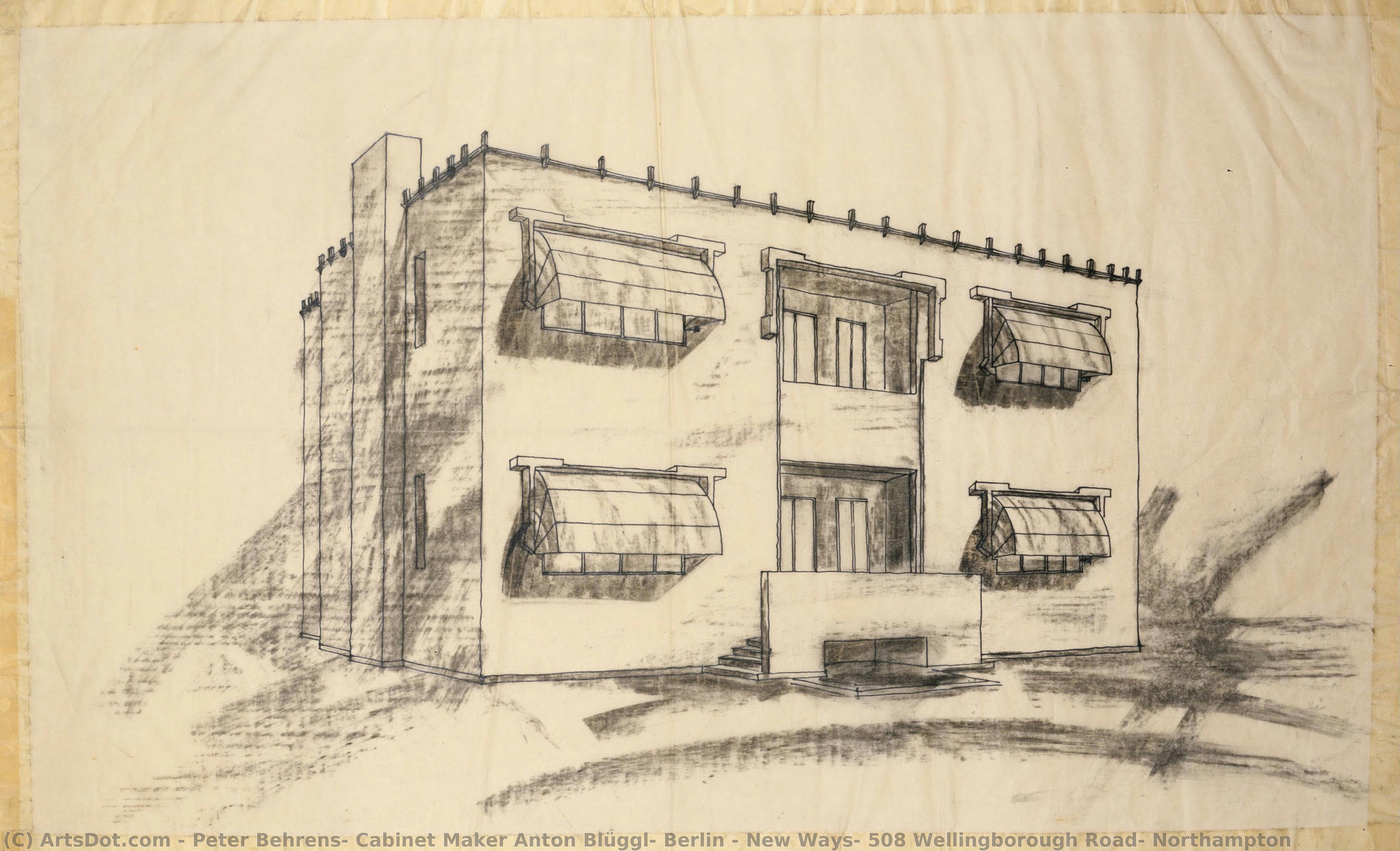
New Ways, 508 Wellingborough Road, Northampton


 Read More
Hand Made Oil Reproduction
Hand-painted oil on canvas in your size and frame, made to order by our artists. ( Buy Print Buy Image)




P118B $10

P118H $10

P118W $10

P438Z $10

P508JH $12

P508YH $12

P805H $10

P805Z $10

P919BZ $10

P919G $10

P919XJ $10

P959ZH $10

P968JZ $12

W106C $8

W218G $10

W218JH $8

W218Y $10

W307PJ $10

W316G $10

W316PJ $8

W316Y $10

W398PJ $8

W4111J $10

W500HY $15

W500JH $15

W692G $12

W849H $8

W940BG $15

W953PJ $8




Pick from our preset sizes that match the artwork's original proportions.

You may enter your own dimensions to fit a specific frame or space. If your selected size does not match the original image's proportions, we will either crop the artwork or extend the painting with additional hand-painted elements. A digital mockup will be sent for your approval before production begins.
Please note that the on-screen preview does not reflect the actual cropping or extension. Only the mockup will accurately show the final composition.
While custom sizes are available, we recommend selecting a dimension from the predefined list to preserve the original proportions.
After order, ArtsDot.com team will email client for instructions and provide a mockup preview
Worldwide Delivery () in 3/4 weeks instead of standard 5 weeks. (17 August). No compromise on quality.

Free Worldwide Express Shipping

High-Quality Linen Canvas

Full Shipping Insurance

Customs Tax Refund Guarantee

True Color Matching Guarantee

60-Day Return Policy (Defects Only)

100% Money-Back Guarantee

Bulk Discount Offer
 Glass option is only available in size under 110 CM

New Ways, 508 Wellingborough Road, Northampton
Reproduction Medium
Reproduction Size
-


Total Price
$ 263
Artwork Description
A Vision of Architectural Elegance
In the quiet, monochromatic depths of this 1926 drawing, we encounter a profound moment of architectural contemplation. New Ways, 508 Wellingborough Road, Northampton serves as more than just a structural study; it is a window into an era where the lines between industrial utility and artistic grace were being redrawn. The composition presents a stately building, characterized by its rhythmic arrangement of windows and the inviting presence of upper-level balconies that suggest a life lived in harmony with light and air. Through the meticulous use of line and shadow, the artist captures a sense of permanence and grandeur, evoking the atmosphere of a sophisticated urban retreat or an elegant residential complex.
The drawing’s strength lies in its ability to transform a structural subject into a poetic narrative. The interplay between the primary edifice and the smaller, secondary structure in the background creates a layered depth that draws the eye inward, inviting the viewer to wander through the imagined streets of this historical setting. There is an undeniable sense of architectural poise here—a balance of weight and lightness that speaks to the burgeoning modernist sensibilities of the early twentieth century. For the collector or interior designer, this piece offers a timeless aesthetic that anchors a room with its sophisticated, understated drama.
The Hand of a Master: Behrens and the Modernist Dawn
To understand the soul of this work, one must look to the lineage of its creator, Peter Behrens. As a pioneer who bridged the gap between the ornate flourishes of Art Nouveau and the stripped-back precision of Modernism, Behrens brought a unique designer's eye to every stroke. His background as both a painter and an industrial designer allows this drawing to transcend mere documentation. Every window frame and balcony rail feels intentional, part of a larger, cohesive vision of functional beauty. The work reflects the spirit of his era—a time when the burgeoning machine age was being tempered by a deep respect for classical composition and craftsmanship.
The technique employed in this black and white rendering relies heavily on tonal contrast to define form. Without the distraction of color, the viewer is forced to engage with the raw geometry and the subtle textures of the building's facade. This monochromatic approach lends the piece a nostalgic, archival quality, making it an exquisite choice for spaces that celebrate historical continuity or minimalist luxury. It is a piece that does not shout for attention but rather commands respect through its quiet, disciplined elegance, offering a sophisticated focal point for any curated collection.
An Inspiration for the Modern Interior
For those seeking to infuse their living spaces with a sense of history and intellectual depth, this reproduction offers unparalleled inspiration. The architectural subject matter makes it an ideal companion for contemporary interiors that utilize clean lines, neutral palettes, and high-quality materials like marble, steel, or dark wood. It serves as a conversation piece that bridges the gap between the 1920s avant-garde and the modern day.
Integrating such a work into a design scheme allows for a layering of textures and eras. Whether placed in a sunlit study, a grand hallway, or a minimalist dining room, the drawing provides an emotional anchor—a sense of stability and refined taste. It is an invitation to appreciate the beauty found in structure, the poetry found in shadows, and the enduring legacy of the masters who first taught us how to see the modern world.
Related Artworks



Artist Biography
Peter Behrens: Architect of Modernity’s Dawn
Peter Behrens, a name often whispered in the halls of architectural history, represents far more than just a single building or design. He was a pivotal figure in the transition from historical styles to the nascent principles of modernism, a pioneer who seamlessly blended architecture, graphic design, and industrial aesthetics – a truly revolutionary concept for his time. Born in Hamburg in 1868, amidst the burgeoning artistic and intellectual ferment of late 19th-century Germany, Behrens’s life was marked by an insatiable curiosity and a relentless pursuit of innovation. His early training as a painter provided him with a foundational understanding of color, composition, and visual storytelling – skills that would later inform his groundbreaking approach to design. However, it was his move to Düsseldorf and enrollment at the Kunstgewerbeschule (School of Applied Arts) where he encountered the burgeoning Art Nouveau movement, and subsequently, the seeds of a new aesthetic were sown. This early exposure to decorative arts and craftsmanship laid the groundwork for his later embrace of functionality and simplicity, while retaining an appreciation for beauty and detail.The AEG Turbine Hall: A Manifesto in Steel and Light
Behrens’s career truly ignited with his commission by the *Allgemeine Elektrizitäts-Gesellschaft* (AEG), Germany's leading electrical utility company, to design their new turbine hall in Berlin in 1907. This project wasn’t merely a building; it was a statement – a bold declaration of AEG’s commitment to modernity and industrial progress. Behrens conceived the hall as a unified work of art, meticulously overseeing every aspect of its creation, from the structural steel framework to the lighting fixtures, signage, furniture, and even the typeface for the company's stationary. The resulting space was a breathtaking spectacle of soaring height, expansive light, and geometric precision – a testament to the power of industrial design. It became an instant icon, instantly recognizable as one of the first examples of what would later be termed “total work of art” or *Gesamtkunstwerk*. The hall’s influence extended far beyond its physical form; it established Behrens as a leading figure in the burgeoning Werkbund movement and profoundly impacted the direction of industrial design for decades to come. The sheer scale and ambition of the project demonstrated that architecture could be both functional and aesthetically compelling, setting a new standard for corporate identity and building design.Beyond the Turbine Hall: A Multifaceted Career
While the AEG turbine hall remains his most celebrated achievement, Behrens’s career was remarkably diverse and prolific. He designed numerous private residences, public buildings, and furniture pieces, each reflecting a careful balance between classical principles and modern sensibilities. His work for the Wertheim department store in Frankfurt showcased his mastery of interior design, creating luxurious spaces that blended Art Nouveau ornamentation with functional elements. He also developed innovative typefaces – notably the “Behrens” typeface – which became widely used throughout Germany. Furthermore, Behrens’s influence extended to graphic design, producing posters, brochures, and other promotional materials for a variety of clients. He was a true polymath, seamlessly integrating his skills across multiple disciplines. His designs for everyday objects, such as kettles and teapots (as evidenced by the “Electric Kettle” artwork), demonstrated an understanding of ergonomics and aesthetics that anticipated the principles of industrial design.The Bauhaus and the Legacy of Reform
Following World War I, Behrens played a crucial role in shaping the nascent Bauhaus school in Weimar, serving as its director from 1923 to 1936. He brought his extensive experience in combining art and industry to the Bauhaus curriculum, emphasizing the importance of functional design and mass production. His influence on the young architects and designers who passed through the Bauhaus was profound, shaping their approach to modern architecture and industrial design. He championed a rationalist aesthetic, advocating for simplicity, clarity, and functionality – principles that would become hallmarks of the Bauhaus movement. Even after leaving Weimar, Behrens continued to explore new directions in architectural design, embracing Brick Expressionism with his iconic Hoechst Administration Building, a testament to his enduring commitment to innovation and experimentation.A Complex Figure: Historical Context and Enduring Significance
Peter Behrens’s life and work are inextricably linked to the tumultuous historical context of early 20th-century Germany. His embrace of industrial design coincided with a period of rapid technological advancement, economic growth, and social change. While his designs were often lauded for their modernity and functionality, they also reflected the prevailing anxieties about progress and the role of technology in society. During the rise of Nazism, Behrens’s career faced increasing challenges, and he eventually emigrated to Switzerland in 1938. Despite facing persecution and displacement, his legacy as a pioneer of modern design endures. His work continues to inspire architects and designers today, demonstrating the power of art, industry, and innovation to shape our world. His influence can be seen in countless buildings, products, and designs that embody the principles of functionalism, simplicity, and beauty – solidifying his place as a foundational figure in the history of modern design.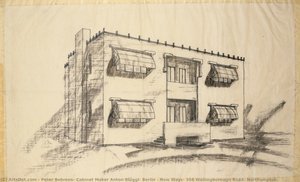
peter behrens, cabinet maker anton blüggl, berlin
1868 - 1940 , Germany
Quick Facts
- Artistic Movement Or Style: Modernism, Bauhaus influence
- Artists Or Movements Influenced By This Artist:
- Ludwig Mies van der Rohe
- Walter Gropius
- Artists Who Influenced This Artist:
- Frank Lloyd Wright
- Rudolf Dührkoop
- Date Of Birth: 1868, Hamburg, Germany
- Date Of Death: 1940, Berlin, Germany
- Full Name: Peter Behrens
- Nationality: German
- Notable Artworks:
- AEG Turbine Hall
- Paramount Selection
- Electric kettle
- Place Of Birth: Hamburg, Germany
Related Articles
White on Canvas: 10 Masterpieces & Timeless Elegance for Your Home Decor
Explore 10 iconic white paintings by Monet, Whistler & Rothko! Discover the stories behind these serene masterpieces and their impact on art history. Find museum-quality reproductions for your home decor at .

Monochrome Visions: Exploring the Aesthetic & Historical Significance of Black & White Photography
Explore the rich history & artistic power of black and white photography. From early techniques to iconic masters like Ansel Adams, discover why monochrome continues to captivate art lovers today. Expert insights for collectors.

Dark Masterpieces: 10 Iconic Paintings Dominated by Black Tones |
Explore 10 iconic paintings dominated by black tones, from Rembrandt’s chiaroscuro to Goya's dark expressions. Discover the stories behind these masterpieces & find museum-quality art reproductions for your home at .

Chromatic Absence: Exploring the Aesthetic Power of Black & White Art
Explore the captivating world of monochrome art! Discover its rich history, influential artists like Malevich & Klein, and profound emotional impact. Expert insights for collectors & design enthusiasts.

Monochrome Masters: 10 Artworks That Define Color Intensity |
Explore 10 iconic monochrome artworks – from Yves Klein to Rothko – that masterfully showcase color intensity. Discover the stories behind these timeless paintings & find museum-quality reproductions for your home at .