

 Preview
 Send
Send Share
Share
 Details

 Download
 Similars
 X-Ray
X-Ray Diaporama
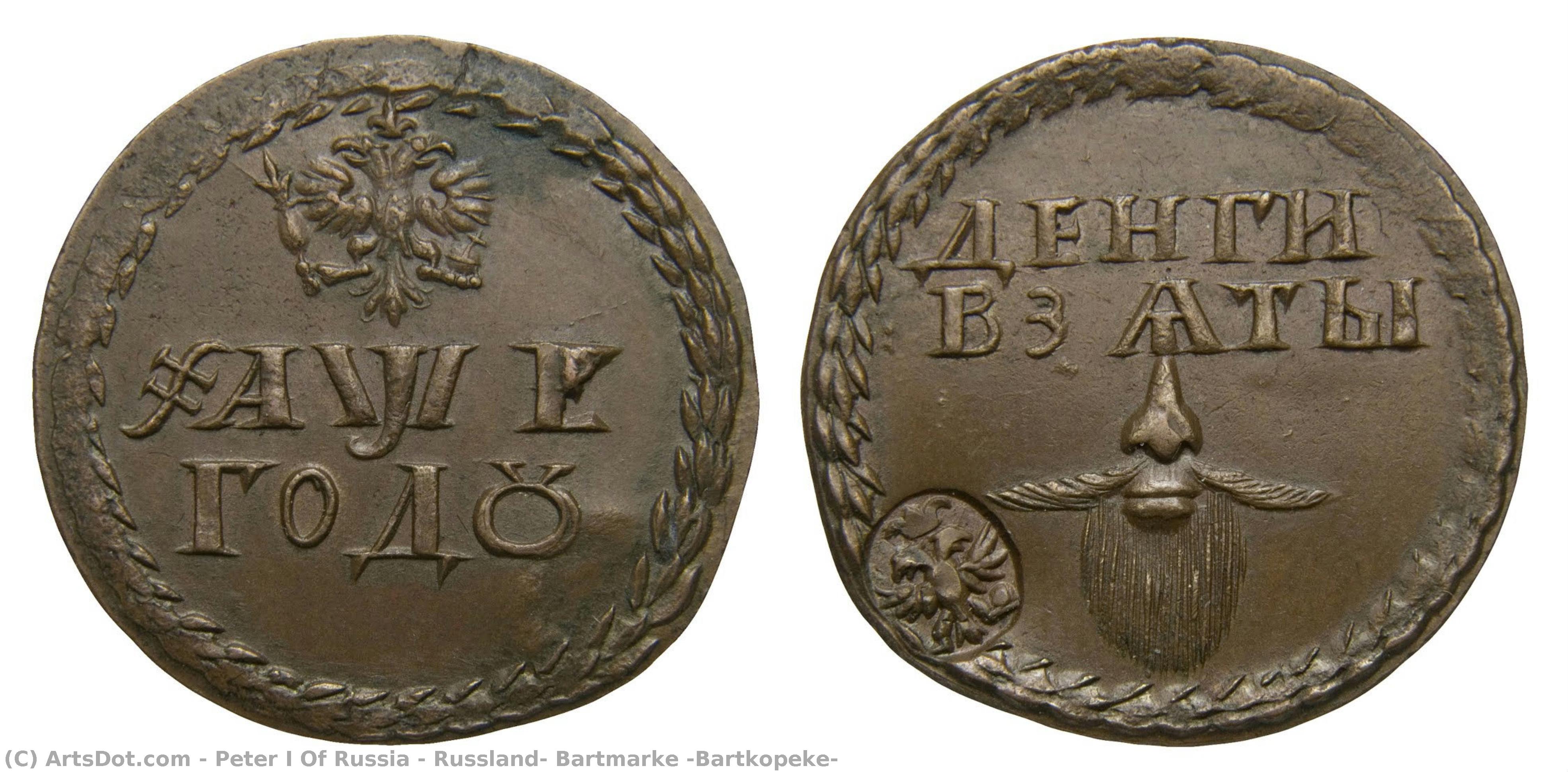
Russland: Bartmarke (Bartkopeke)

 Read More
Purchase a high-resolution, enhanced digital image, far superior to the online preview.
Each file is meticulously prepared by our in-house specialists using advanced tools and expert manual retouching. We ensure every image has exceptional clarity, precise color accuracy, and fine detail.
The final file is delivered via email within 72 hours, optimized for immediate use in professional, editorial, and print environments. This is the same quality trusted by top-tier design studios, publishers, and galleries.
Digital Image
Download a high-resolution file for personal display, printing, and creative projects. ( Buy Print Buy Hand Made Painting)
Included in Every Digital Image Order
Expert Digital Delivery, Guaranteed
When you choose ArtsDot.com, you're not just getting an image - you're receiving a professionally enhanced digital artwork, crafted with precision and backed by a satisfaction guarantee. Here's everything that comes with your order, automatically:

Fast Email Delivery
Your high-resolution digital image file will be emailed to you within 72 hours of ordering - ready for immediate use.

AI-Enhanced Digital File
Your artwork is professionally optimized using advanced AI tools and manual editing, ensuring maximum detail, clarity, and color accuracy.

Free Lifetime Re-Delivery
Accidentally deleted or lost your file? No worries - we'll resend it to you anytime, free of charge.

No Import Fees - Ever
Enjoy your artwork instantly with zero customs, duties, or delivery fees - digital downloads are always tax-free.

Color Accuracy Guarantee
We ensure your digital image reflects the original colors as closely as possible using professional tools and color management.

60-Day Satisfaction Guarantee
If you're not satisfied with your digital image, we'll revise it or refund 100% within 60 days - no questions asked.

100% Money-Back Guarantee
Not satisfied? Get a full refund within 60 days of receiving your digital file - no questions asked.

Bulk Order Discounts
Buy 3 images, save 10% - Buy 5, save 15% - Buy 10+, save 20%. Great for creative projects, galleries, and agencies.
Collectible Description
Related Artworks





Artist Biography
Peter the Great: Architect of a Nation
Peter I, more commonly known as Peter the Great, remains one of the most transformative figures in Russian history – a man who fundamentally reshaped his nation and propelled it onto the world stage. Born in Moscow in 1672, he ascended to the throne at just ten years old, inheriting a Russia largely defined by its isolation and adherence to antiquated traditions. His reign, from 1682 until his death in 1725, wasn’t merely a continuation of the past; it was a deliberate, often brutal, assault on convention, a radical modernization that irrevocably altered the course of Russian identity. His story is one of ambition, relentless drive, and a profound belief in Russia's potential – a vision he relentlessly pursued through military conquest, diplomatic maneuvering, and sweeping social reforms.
Peter’s early life was marked by instability and political intrigue. The death of his father, Tsar Alexis, plunged the country into turmoil, culminating in the Streltsy revolt – an uprising brutally suppressed by Sophia Alekseyevna, Peter's half-sister, who became regent. This event deeply scarred young Peter, fueling a lifelong distrust of the old guard and shaping his determination to dismantle the perceived weaknesses of Muscovite society. His childhood spent largely outside Moscow, in the secluded village of Preobrazhenskoe, fostered an independent spirit and allowed him to cultivate a passion for Western European culture – a fascination that would become central to his reform agenda.
The Grand Embassy and Seeds of Change
In 1697, Peter embarked on what became known as the “Grand Embassy,” a daring and unprecedented journey across Europe disguised as a commoner. This clandestine voyage was not merely a diplomatic mission; it was an intensive apprenticeship in Western military technology, shipbuilding, governance, and social customs. He spent months studying artillery in Prussia under the tutelage of Johann Sutor, mastered shipbuilding in Holland, observed parliamentary proceedings in England, and immersed himself in the intellectual life of France. The Grand Embassy wasn’t just about acquiring knowledge; it was about demonstrating a willingness to embrace innovation and challenging the established order – a bold statement that signaled Russia's intent to join the ranks of Europe’s great powers.
Returning to Russia in 1699, Peter immediately began implementing the reforms he had observed abroad. He reorganized the army along Western lines, establishing a professional standing force and introducing new weaponry and tactics. He founded the Russian Navy, recognizing its crucial role in securing access to trade routes and projecting power overseas. Crucially, he initiated sweeping changes within the social and cultural spheres, encouraging the adoption of Western clothing, hairstyles, and customs – measures that were met with resistance from conservative elements but ultimately symbolized a deliberate effort to modernize Russia’s image.
Building St. Petersburg: A Window on Europe
Perhaps Peter's most enduring legacy is the founding of St. Petersburg in 1703. Situated on the Baltic Sea, this new capital city was designed as a “window on Europe,” a deliberate attempt to connect Russia with the West and serve as a gateway for trade and cultural exchange. The construction of St. Petersburg was an immense undertaking, involving forced labor and significant financial investment. However, it represented more than just a physical transformation; it symbolized Peter’s ambition to create a modern, European-influenced capital that would rival those of Western powers. The city's architecture, layout, and cultural institutions were all consciously modeled on the best examples of European design – reflecting Peter’s unwavering commitment to embracing Western ideals.
Military Conquest and Imperial Ambitions
Peter’s reign was dominated by military campaigns aimed at expanding Russia’s territory and securing its borders. The Great Northern War against Sweden (1700-1721) proved to be the defining conflict of his era. Through a combination of strategic brilliance, relentless determination, and the bravery of his troops, Peter secured decisive victories at Poltava in 1709, effectively ending Swedish dominance over the Baltic Sea and establishing Russia as a major European power. Following the war, Russia annexed vast territories including parts of Ukraine, Belarus, and Finland – significantly expanding its landmass and resources.
Legacy and Historical Significance
Peter the Great’s reforms fundamentally transformed Russia, laying the foundation for its rise to prominence in the 18th and 19th centuries. He modernized the military, established a centralized government, promoted trade and industry, and fostered cultural exchange with Europe. While his methods were often autocratic and ruthless, his vision of a strong, modern Russia proved remarkably successful. His legacy continues to be debated – some celebrate him as a visionary reformer who dragged Russia into the modern era, while others criticize his authoritarianism and disregard for traditional values. Nevertheless, Peter I remains an undeniably pivotal figure in Russian history, whose actions shaped the nation’s destiny and left an indelible mark on its cultural and political landscape.
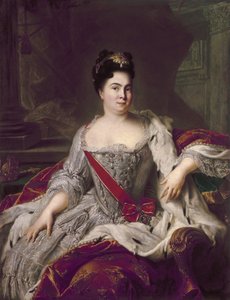
peter i of russia
1672 - 1725 , Russia
Quick Facts
- Artistic Movement Or Style: Baroque, Westernization
- Artists Or Movements Influenced By This Artist: ['Peter III of Russia']
- Artists Who Influenced This Artist: ['Roman Petrovich de Russie']
- Date Of Birth: June 9, 1672
- Date Of Death: January 8, 1725
- Full Name: Peter I of Russia
- Nationality: Russian
- Notable Artworks:
- Peter the Great - Wikipedia
- Portrait of Peter III
- Peter I Of Russia And Louis XV
- Place Of Birth: Moscow, Russia

