

 Preview
 Send
Send Share
Share
 Details

 Download
 Similars
 X-Ray
X-Ray Diaporama
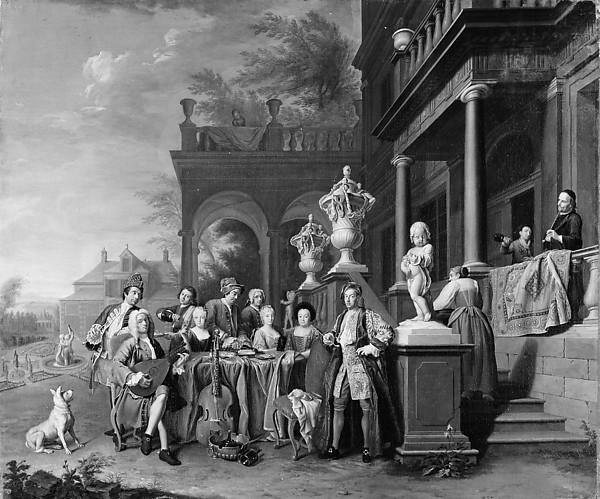
A Musical Gathering at the Court of the Elector Karl Albrecht of Bavaria
 1730
1730 88.0 x 107.0 cm
 Read More
Purchase a high-resolution, enhanced digital image, far superior to the online preview.
Each file is meticulously prepared by our in-house specialists using advanced tools and expert manual retouching. We ensure every image has exceptional clarity, precise color accuracy, and fine detail.
The final file is delivered via email within 72 hours, optimized for immediate use in professional, editorial, and print environments. This is the same quality trusted by top-tier design studios, publishers, and galleries.
Digital Image
Download a high-resolution file for personal display, printing, and creative projects. ( Buy Print Buy Hand Made Painting)
Included in Every Digital Image Order
Expert Digital Delivery, Guaranteed
When you choose ArtsDot.com, you're not just getting an image - you're receiving a professionally enhanced digital artwork, crafted with precision and backed by a satisfaction guarantee. Here's everything that comes with your order, automatically:

Fast Email Delivery
Your high-resolution digital image file will be emailed to you within 72 hours of ordering - ready for immediate use.

AI-Enhanced Digital File
Your artwork is professionally optimized using advanced AI tools and manual editing, ensuring maximum detail, clarity, and color accuracy.

Free Lifetime Re-Delivery
Accidentally deleted or lost your file? No worries - we'll resend it to you anytime, free of charge.

No Import Fees - Ever
Enjoy your artwork instantly with zero customs, duties, or delivery fees - digital downloads are always tax-free.

Color Accuracy Guarantee
We ensure your digital image reflects the original colors as closely as possible using professional tools and color management.

60-Day Satisfaction Guarantee
If you're not satisfied with your digital image, we'll revise it or refund 100% within 60 days - no questions asked.

100% Money-Back Guarantee
Not satisfied? Get a full refund within 60 days of receiving your digital file - no questions asked.

Bulk Order Discounts
Buy 3 images, save 10% - Buy 5, save 15% - Buy 10+, save 20%. Great for creative projects, galleries, and agencies.
Related Artworks




Artist Biography
A Life Immersed in the Courts of Europe: Peter Jacob Horemans
Peter Jacob Horemans, a name perhaps less immediately recognizable than some of his contemporaries, nevertheless occupies a fascinating and important niche within 18th-century European painting. Born in Antwerp, likely around 1709 – precise dates remain elusive – Horemans dedicated his artistic life to capturing the vibrant, often frivolous, world of aristocratic society. He wasn’t a painter of grand historical narratives or religious allegories; instead, he meticulously documented the intimate moments of courtly existence: balls, musical gatherings, conversations in gardens, and the subtle dramas unfolding within opulent interiors. His work offers a unique window into the customs, fashions, and social dynamics of an era teetering between Baroque extravagance and Rococo refinement. While his early life remains shrouded in some mystery, it’s clear he received a solid artistic training, likely within the Antwerp guild system, which fostered a strong tradition of genre painting. He wasn't merely replicating scenes; he was crafting narratives about social interaction, status, and the pursuit of pleasure.From Flemish Roots to Bavarian Patronage
Horemans’ early career unfolded primarily in Flanders, where he established himself as a skilled painter of *genre* scenes – everyday life depictions that were increasingly popular among the burgeoning merchant class and lower nobility. However, his fortunes took a significant turn when he entered the service of the Bavarian court in Munich around 1745. This move proved pivotal, shaping both the subject matter and style of his mature work. He became a favored artist of Empress Maria Amalia of Austria, wife of Emperor Charles VII, who commissioned numerous paintings depicting scenes from her own life and those of the Bavarian court. These weren’t official portraits in the traditional sense; rather, they were intimate *vedute* – views of everyday life – rendered with remarkable detail and a keen eye for character. The patronage allowed Horemans to flourish, providing him with access to exclusive settings and subjects unavailable elsewhere. He wasn't simply an observer but a participant, subtly embedded within the world he portrayed. This proximity lent his paintings an authenticity that distinguished them from more formulaic courtly depictions.A Master of Detail and Narrative
Horemans’ artistic style is characterized by its meticulous attention to detail, delicate brushwork, and subtle use of color. He possessed a remarkable ability to render textures – the sheen of silk gowns, the gleam of polished furniture, the intricate patterns of wallpaper – with astonishing realism. However, his paintings are more than just technical exercises; they’re imbued with a sense of narrative and psychological insight. He excelled at capturing fleeting expressions, gestures, and interactions that reveal the personalities and relationships of his subjects. His compositions often feature numerous figures engaged in various activities, creating a lively and dynamic atmosphere.- Compositional Skill: Horemans masterfully arranged groups within complex interiors, guiding the viewer’s eye through the scene.
- Color Palette: He favored a soft, harmonious color palette, often employing muted tones and subtle gradations of light and shadow.
- Psychological Depth: His figures are not merely decorative elements; they possess individual personalities and engage in believable interactions.
Themes and Symbolism within Courtly Life
While seemingly straightforward depictions of everyday life, Horemans' paintings are often rich with subtle symbolism and social commentary. The objects depicted – musical instruments, books, flowers, games – frequently carried specific meanings that would have been understood by his aristocratic patrons. For example, a lute might symbolize courtship or romantic love, while a book could represent learning or intellectual pursuits. He also subtly alluded to the status and wealth of his subjects through their clothing, furnishings, and surroundings. The paintings are not simply records of events but carefully constructed statements about social identity and cultural values. Furthermore, Horemans often depicted scenes of leisure and entertainment, reflecting the aristocratic ideal of *l’art de vivre* – the art of living well. These paintings weren't necessarily critiques of courtly life; rather, they were celebrations of its pleasures and refinements. However, a closer examination reveals a certain degree of irony and detachment, suggesting that Horemans was not entirely uncritical of the society he portrayed.Legacy and Historical Significance
Peter Jacob Horemans died in Munich in 1776, leaving behind a substantial body of work that provides invaluable insights into the world of 18th-century European aristocracy. While his paintings were highly sought after by collectors during his lifetime, his reputation waned somewhat in the 19th and early 20th centuries. However, recent scholarship has brought renewed attention to his artistic achievements, recognizing him as a master of genre painting and a keen observer of social life. His work stands as a testament to the power of art to capture not just *what* people did but *how* they lived – their customs, values, and aspirations. He offers a unique perspective on an era often romanticized or idealized, providing a more nuanced and realistic portrayal of courtly existence. Today, his paintings are held in major museums and private collections around the world, continuing to captivate audiences with their beauty, detail, and historical significance. His legacy lies not in grand pronouncements but in the quiet eloquence of everyday life, meticulously rendered for posterity.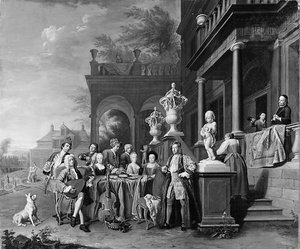
Quick Facts
- Artistic Movement Or Style: Genre painting
- Date Of Death: Living
- Full Name: Peter Jacob Horemans
- Notable Artworks:
- Court gatherings
- Detailed genre scenes

