

 Preview
 Send
Send Share
Share
 Details

 Download
 Similars
 X-Ray
X-Ray Diaporama
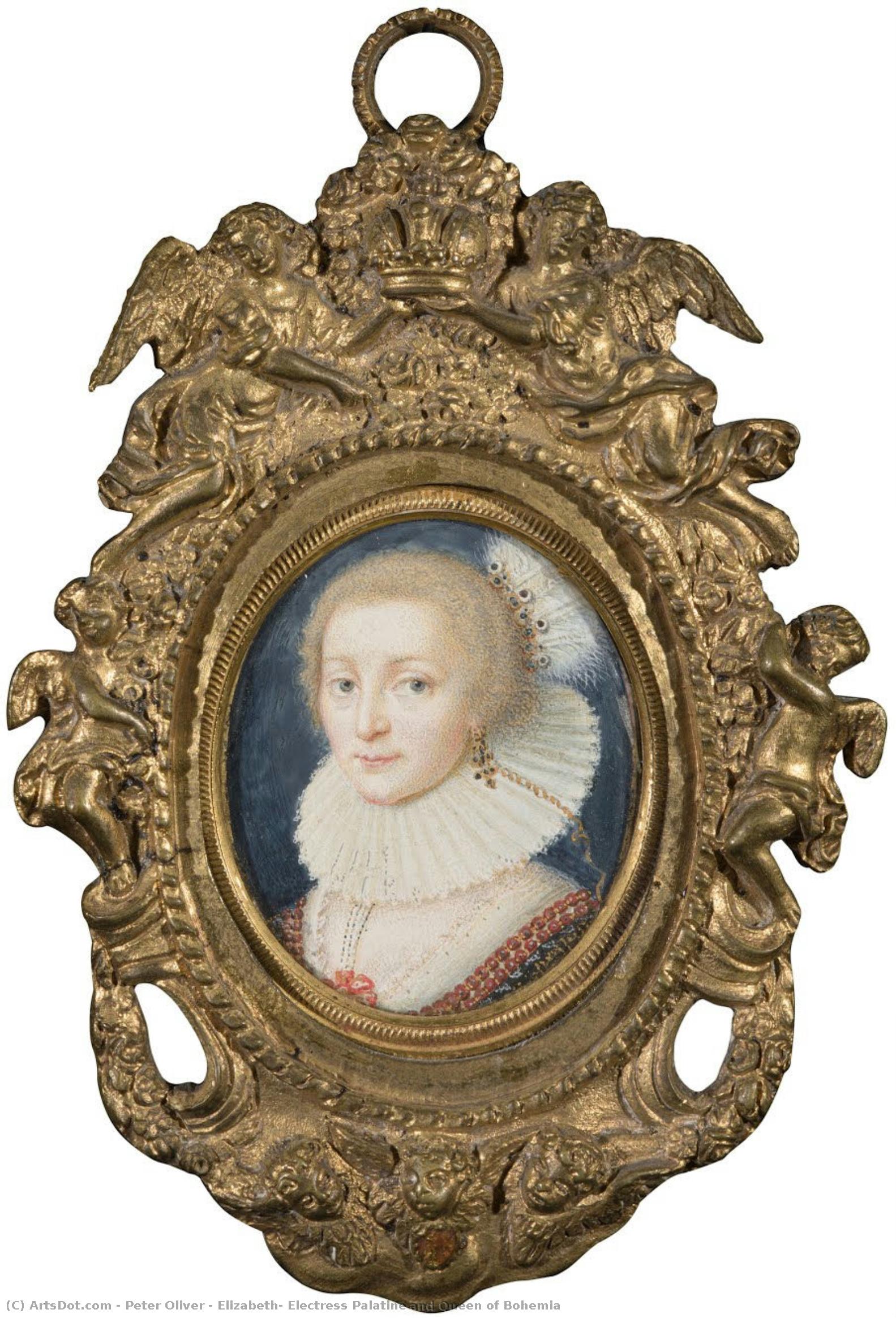
Elizabeth, Electress Palatine and Queen of Bohemia


 Read More
Purchase a high-resolution, enhanced digital image, far superior to the online preview.
Each file is meticulously prepared by our in-house specialists using advanced tools and expert manual retouching. We ensure every image has exceptional clarity, precise color accuracy, and fine detail.
The final file is delivered via email within 72 hours, optimized for immediate use in professional, editorial, and print environments. This is the same quality trusted by top-tier design studios, publishers, and galleries.
Digital Image
Download a high-resolution file for personal display, printing, and creative projects. ( Buy Print Buy Hand Made Painting)
Included in Every Digital Image Order
Expert Digital Delivery, Guaranteed
When you choose ArtsDot.com, you're not just getting an image - you're receiving a professionally enhanced digital artwork, crafted with precision and backed by a satisfaction guarantee. Here's everything that comes with your order, automatically:

Fast Email Delivery
Your high-resolution digital image file will be emailed to you within 72 hours of ordering - ready for immediate use.

AI-Enhanced Digital File
Your artwork is professionally optimized using advanced AI tools and manual editing, ensuring maximum detail, clarity, and color accuracy.

Free Lifetime Re-Delivery
Accidentally deleted or lost your file? No worries - we'll resend it to you anytime, free of charge.

No Import Fees - Ever
Enjoy your artwork instantly with zero customs, duties, or delivery fees - digital downloads are always tax-free.

Color Accuracy Guarantee
We ensure your digital image reflects the original colors as closely as possible using professional tools and color management.

60-Day Satisfaction Guarantee
If you're not satisfied with your digital image, we'll revise it or refund 100% within 60 days - no questions asked.

100% Money-Back Guarantee
Not satisfied? Get a full refund within 60 days of receiving your digital file - no questions asked.

Bulk Order Discounts
Buy 3 images, save 10% - Buy 5, save 15% - Buy 10+, save 20%. Great for creative projects, galleries, and agencies.
Related Artworks









Artist Biography
The Master of the Miniature: The Life and Legacy of Peter Oliver
In the intimate, jewel-like world of seventeenth-century portraiture, few names evoke as much delicate precision as Peter Oliver. A pivotal figure in the burgeoning English miniature art movement, Oliver emerged during a period of profound religious and political transformation. While the broader art world often grappled with the dramatic shifts of the Reformation, Oliver remained a steadfast guardian of refined traditions. Born around 1594, his early years were shaped by the shadows of great masters, yet he would eventually step out from those shadows to become one of the most highly compensated and sought-after artists at the court of Charles I.
The foundation of Oliver’s extraordinary skill was laid through a rigorous apprenticeship under his father, Isaac Oliver, a celebrated French-born English painter. This lineage provided Peter with more than just technical instruction; it bequeathed to him a deep reverence for Flemish techniques and the meticulous layering of glazes. Through this method, he learned to manipulate light and shadow on a microscopic scale, creating surfaces that seemed to possess a subtle, breathing vitality. Unlike many of his contemporaries who were drawn to the exaggerated flourishes of Mannerism, Peter Oliver championed the Renaissance ideals of clarity, elegance, and an unwavering commitment to accurate representation.
A Window into the Soul: Technique and Subject Matter
The true magic of Oliver’s work lies in his ability to transcend the physical limitations of the miniature medium. Though his canvases were often no larger than a palm, they contained vast psychological landscapes. His workshop was a site of incredible productivity, yielding an estimated 350 portraits that served as much more than mere visual records. To hold an Oliver miniature is to encounter a person’s very essence; he possessed a rare gift for capturing nuanced expressions and the quiet dignity of his subjects. Whether depicting the regal poise of the royal court or the steady gaze of wealthy merchants, his brushwork conveyed a profound understanding of human character.
His artistic repertoire was characterized by several defining elements:
- Psychological Depth: Moving beyond simple likeness to capture the internal temperament and emotion of the sitter.
- Technical Mastery: The use of delicate glazes to create a sense of three-dimensional modeling on a flat, small surface.
- Historical Continuity: A dedication to preserving the sophisticated aesthetic traditions of the Huguenot and Flemish schools within an English context.
- Social Commemoration: Creating enduring symbols of status for the nobility, diplomats, and the rising merchant class.
The Twilight of a Golden Age
As the mid-seventeenth century progressed, the political landscape of England grew increasingly turbulent, yet Oliver’s dedication to his craft remained unshakeable. He resided in Isleworth, continuing to refine his ability to document the faces of an era that was on the brink of monumental change. His work stands today not merely as a collection of beautiful objects, but as a vital historical archive. Through his portraits, we glimpse the faces of those who navigated the complexities of the Stuart era—individuals whose social standing and personal identities were immortalized through his meticulous hand.
Though history occasionally casts him in the shadow of his father’s fame, modern scholarship has rightfully reclaimed Peter Oliver as a master in his own right. He was an artist who bridged the gap between the classical elegance of the Renaissance and the burgeoning portrait traditions of the English Baroque. His death, recorded around 1647 or 1648, marked the end of a prolific career that had successfully woven together French tradition, Flemish technique, and English sensibility into a singular, luminous legacy.
peter oliver
1594 - 1648
Quick Facts
- Artistic Movement Or Style: Huguenot Art Style
- Artists Or Movements Influenced By This Artist: ['Renaissance Portraits']
- Artists Who Influenced This Artist: ['Isaac Oliver']
- Date Of Birth: 1594
- Date Of Death: 1648
- Full Name: Peter Oliver
- Nationality: English
- Notable Artworks:
- Portrait of Robert Dudley
- Portrait of William Cecil
- Place Of Birth: London, England

