 Preview
 Send
Send Share
Share
 Details

 Download
 Similars
 X-Ray
X-Ray Diaporama
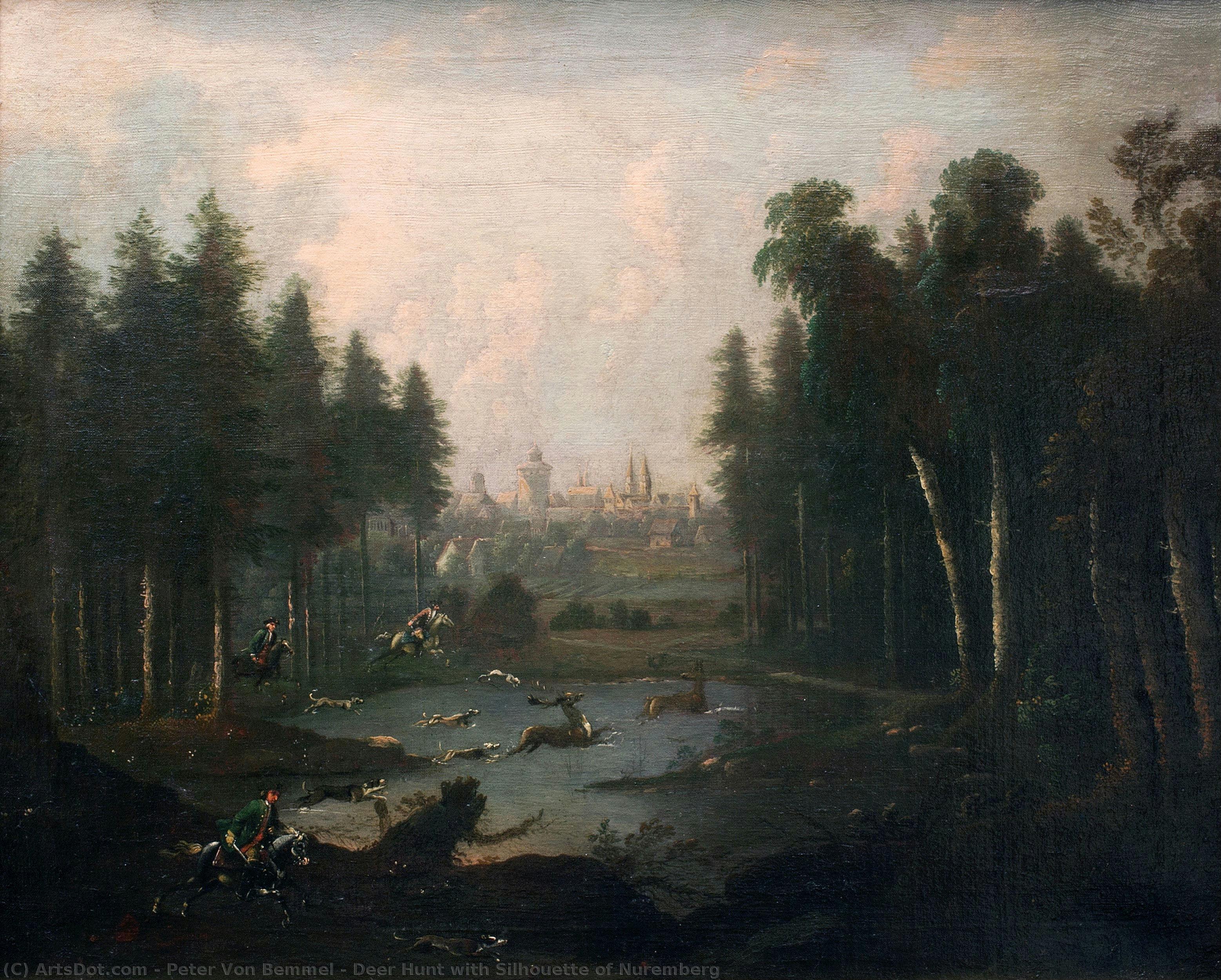
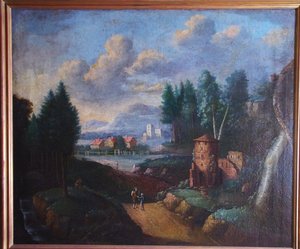
Deer Hunt with Silhouette of Nuremberg


 Read More
Hand Made Oil Reproduction
Hand-painted oil on canvas in your size and frame, made to order by our artists. ( Buy Print Buy Image)




































Pick from our preset sizes that match the artwork's original proportions.

You may enter your own dimensions to fit a specific frame or space. If your selected size does not match the original image's proportions, we will either crop the artwork or extend the painting with additional hand-painted elements. A digital mockup will be sent for your approval before production begins.
Please note that the on-screen preview does not reflect the actual cropping or extension. Only the mockup will accurately show the final composition.
While custom sizes are available, we recommend selecting a dimension from the predefined list to preserve the original proportions.
After order, ArtsDot.com team will email client for instructions and provide a mockup preview
Worldwide Delivery () in 3/4 weeks instead of standard 5 weeks. (20 August). No compromise on quality.

Free Worldwide Express Shipping

High-Quality Linen Canvas

Full Shipping Insurance

Customs Tax Refund Guarantee

True Color Matching Guarantee

60-Day Return Policy (Defects Only)

100% Money-Back Guarantee

Bulk Discount Offer
 Glass option is only available in size under 110 CM

Deer Hunt with Silhouette of Nuremberg
Reproduction Medium
Reproduction Size
-


Total Price
$ 263
Artwork Description
Related Artworks
Artist Biography
Frederik de Moucheron: A Painter of Serene Devotion
Born in 1633, Frederik de Moucheron’s life and art were inextricably linked to his profound religious faith. Though often overshadowed by more flamboyant contemporaries, De Moucheron stands as a significant figure within the Baroque period, particularly recognized for his exquisitely rendered devotional paintings that offered a quiet contemplation rarely found in the grander narratives of his time. His work, characterized by its meticulous detail and serene atmosphere, reflects a deep-seated piety and a commitment to capturing the essence of religious subjects with remarkable sensitivity.
De Moucheron’s early life remains somewhat obscure, but it is known that he received training in Florence, a city renowned for its artistic excellence during the Baroque era. The influence of Carlo Dolci, another Florentine painter known for his intimate and devotional scenes, is readily apparent in De Moucheron's style. Like Dolci, De Moucheron favored small-scale compositions, often depicting solitary figures within richly detailed interiors or landscapes—a deliberate choice that encouraged a sense of intimacy and spiritual reflection. His paintings were not intended to overwhelm the viewer with dramatic action or elaborate ornamentation; rather, they aimed to draw the observer into a quiet dialogue with the divine.
- Key Characteristics: De Moucheron’s style is defined by its smooth, polished surfaces, delicate modeling, and subtle use of color. He employed a technique known as ‘sfumato,’ creating hazy outlines and soft transitions between tones to evoke a sense of ethereal beauty.
- Subject Matter: Primarily focused on religious scenes—often featuring the Virgin Mary with the infant Jesus, saints in contemplation, or biblical narratives—his works are imbued with an atmosphere of profound peace and reverence.
- Compositional Style: Frequently utilized small, intimate compositions, emphasizing the emotional connection between the subject and the viewer.
The Florentine Context and Artistic Influences
De Moucheron’s artistic development occurred within the vibrant cultural landscape of Florence in the mid-17th century. The city was a hub for artistic innovation, attracting artists from across Europe and fostering a tradition of religious painting that emphasized emotional intensity and psychological realism. The influence of Carlo Dolci is particularly noteworthy; both painters shared a similar approach to depicting religious subjects—a focus on intimate scenes, serene atmospheres, and the conveyance of spiritual emotion. However, De Moucheron’s work possesses a distinct quality of restraint and solemnity, diverging slightly from Dolci's more overtly sentimental style.
Beyond Dolci, De Moucheron was also influenced by the broader trends of the Baroque period, including the emphasis on naturalism, dramatic lighting (though subtly employed), and dynamic composition. The legacy of Isaac, a prominent Florentine painter known for his expressive portraits and religious scenes, can be detected in De Moucheron’s careful observation of human anatomy and his ability to capture subtle nuances of emotion.
Notable Works and Patronage
While De Moucheron's output was relatively modest compared to some of his contemporaries, several paintings have survived that offer a compelling glimpse into his artistic vision. These works are often characterized by their exquisite detail, serene atmosphere, and profound sense of devotion. His portraits, in particular, demonstrate a remarkable ability to capture the dignity and solemnity of his subjects.
- The Virgin and Child with Saint Anne: This painting exemplifies De Moucheron’s signature style—a small-scale composition featuring the Virgin Mary holding the infant Jesus while Saint Anne looks on in contemplation.
- Portrait of Sir John Finch: Painted for Sir John Finch, a physician and art collector, this portrait showcases De Moucheron's skill in capturing the likeness and character of his subjects with understated elegance.
De Moucheron’s paintings were highly prized by contemporary British visitors to Florence, who recognized their beauty and spiritual depth. The collection assembled by Sir John Finch at the Fitzwilliam Museum in Cambridge stands as a testament to the enduring appeal of his work.
Legacy and Historical Significance
Despite not achieving widespread fame during his lifetime, Frederik de Moucheron’s paintings have been increasingly appreciated for their quiet beauty and spiritual resonance. His meticulous technique, serene atmosphere, and profound sense of devotion offer a valuable counterpoint to the more flamboyant styles of the Baroque period. De Moucheron's work serves as a reminder that religious art can be both visually stunning and deeply moving—a testament to the power of faith to inspire artistic expression.
His contribution lies in providing a space for quiet contemplation, a rare offering within the often-dramatic world of Baroque painting. Today, his paintings continue to evoke a sense of peace and reverence, inviting viewers to pause and reflect on the mysteries of faith.
peter von bemmel
1686 - 1754 , Germany
Quick Facts
- Artistic Movement Or Style: Baroque, Landscape painting
- Artists Who Influenced This Artist: ['Isaac']
- Date Of Birth: 1633
- Date Of Death: 1686
- Full Name: Frederik de Moucheron