 Preview
 Send
Send Share
Share
 Details

 Download
 Similars
 X-Ray
X-Ray Diaporama
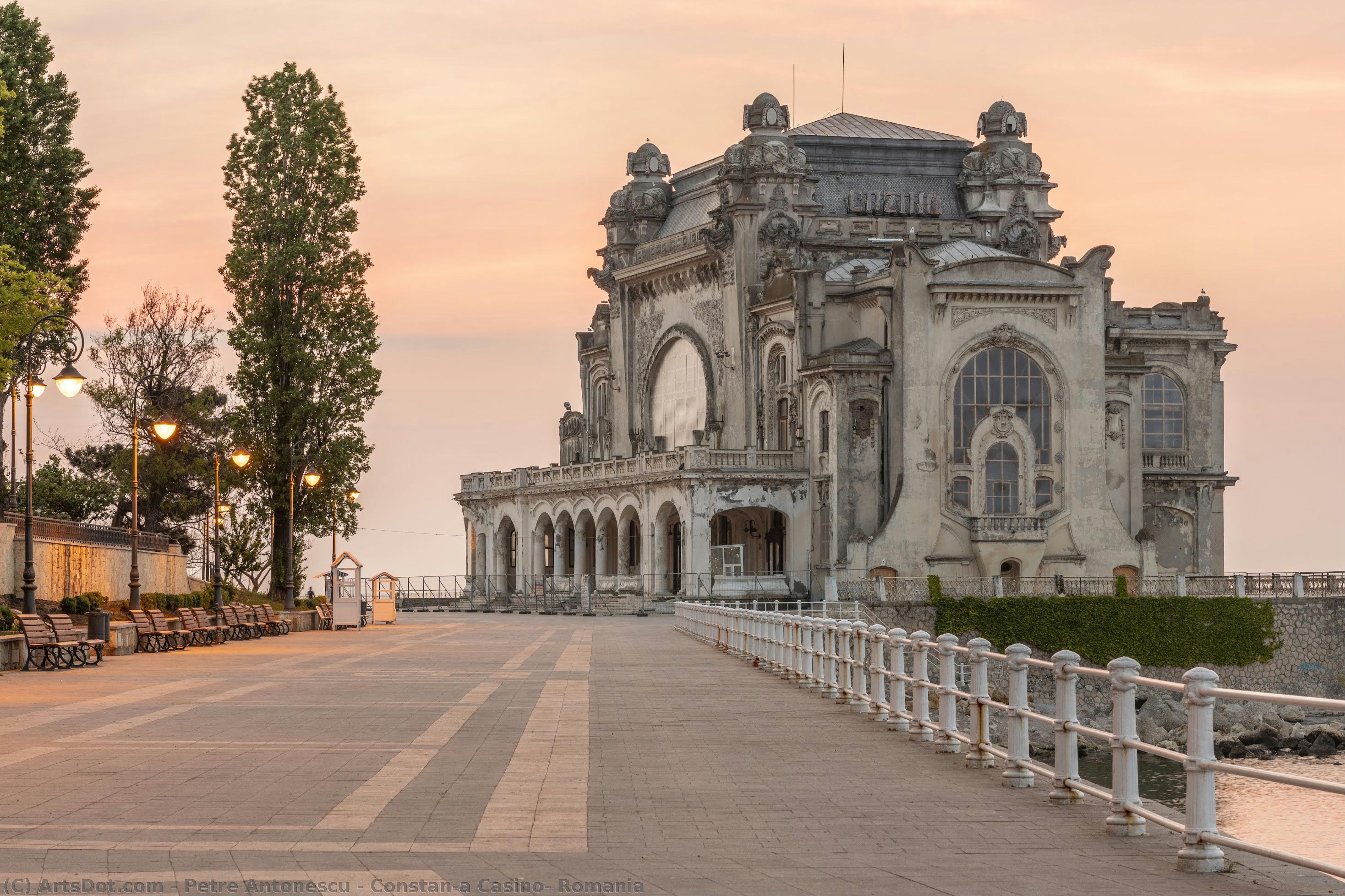
Constanța Casino, Romania

 Read More
Giclée / Art Print
Museum-quality giclée or canvas print with fast production and flexible finish options. ( Buy Hand Made Painting Buy Image)




































Pick from our preset sizes that match the artwork's original proportions.

You may enter your own dimensions to fit a specific frame or space. If your selected size does not match the original image's proportions, we will either crop the artwork or extend the image with a mirrored or solid-fill edge. A digital mockup will be sent for your approval before production begins.
Please note that the on-screen preview does not reflect the actual cropping or extension. Only the mockup will accurately show the final composition.
While custom sizes are available, we recommend selecting a dimension from the predefined list to preserve the original proportions.
Worldwide Delivery () in 2 weeks instead of standard 4/5 weeks. (26 August)

Free Worldwide Express Shipping

High-Quality Linen Canvas

Full Shipping Insurance

Customs Tax Refund Guarantee

True Color Matching Guarantee

60-Day Return Policy (Defects Only)

100% Money-Back Guarantee

Bulk Discount Offer
 Glass option is only available in size under 110 CM

Constanța Casino, Romania
Giclée / Art Print
Reproduction Size
-


Total Price
$ 63
Related Artworks









Artist Biography
A Pioneer of Romanian Modernism: The Life and Legacy of Petre Antonescu
Petre Antonescu, born in Pitești, Romania in 1873, stands as a pivotal figure in the development of modern Romanian architecture. His career unfolded across the first half of the 20th century, a period of intense national identity formation and artistic experimentation. While many European architects embraced international styles like Art Nouveau and Bauhaus, Antonescu dedicated himself to forging an architectural language uniquely rooted in Romania’s history and cultural heritage – a style that would become known as Neo-Romanian architecture. He wasn't simply replicating past forms; rather, he synthesized traditional Romanian motifs, construction techniques, and spatial arrangements with contemporary design principles, creating buildings that were both distinctly nationalistic and undeniably modern. His work reflects a deep understanding of the country’s vernacular traditions, coupled with a sophisticated awareness of European architectural trends.Early Life and Education: Foundations in Tradition
Antonescu's early life provided the fertile ground for his later artistic endeavors. Growing up in Pitești, he was immersed in the rich tapestry of Romanian folk architecture – the wooden churches with their soaring spires, the sturdy peasant houses adorned with intricate carvings, and the monastic complexes that dotted the landscape. He received formal training at the School of Architecture in Bucharest, but it was his travels throughout Romania, meticulously documenting regional building styles, that truly shaped his aesthetic sensibility. This period wasn't merely about observation; he actively sought to understand the underlying principles of Romanian design – the use of natural materials, the emphasis on craftsmanship, and the harmonious integration with the surrounding environment. These early explorations instilled in him a profound respect for Romania’s architectural past and fueled his desire to create a new architecture that honored those traditions while embracing the possibilities of modernity.Defining Neo-Romanian Architecture: A Synthesis of Styles
The core of Antonescu's achievement lies in his ability to synthesize seemingly disparate elements into a cohesive and compelling architectural style. Neo-Romanian architecture, as he pioneered it, wasn’t a revivalist movement in the strict sense. It didn’t aim to faithfully reproduce historical buildings but rather drew inspiration from them – adapting their forms, motifs, and spatial qualities for contemporary purposes. He skillfully blended elements of Brâncovenesc style (known for its elegant symmetry and intricate detailing), traditional Romanian peasant architecture, and Byzantine influences with modern construction techniques and functional requirements. This resulted in buildings that were characterized by steeply pitched roofs, ornate wood carvings, decorative brickwork, and a sense of monumentality. His designs often featured asymmetrical compositions, creating dynamic and visually engaging facades. He also prioritized the use of local materials – stone, wood, and brick – further grounding his work in the Romanian landscape.Major Achievements: Monuments to National Identity
Antonescu’s most iconic creation is undoubtedly the Arcul de Triumf in Bucharest. Completed in 1936, this monumental arch serves as a powerful symbol of Romanian national pride and commemorates the country's victories in World War I. The design skillfully incorporates traditional Romanian motifs into its classical framework, creating a unique architectural statement that reflects both Romania’s historical heritage and its aspirations for modernity. Another significant achievement is the Constanța Casino, a stunning Art Nouveau building with Neo-Romanian elements completed in 1910. While not solely his design, Antonescu's contributions to its renovation and expansion were crucial in establishing it as an architectural landmark. Beyond these iconic structures, he designed numerous churches, public buildings, and private residences throughout Romania, each reflecting his commitment to the Neo-Romanian aesthetic. His work helped define the visual landscape of Bucharest and other Romanian cities during the interwar period.Historical Significance: A Lasting Impact
Petre Antonescu’s legacy extends far beyond the buildings he designed. He played a pivotal role in shaping Romania's architectural identity during a crucial period of national development. His Neo-Romanian style became synonymous with Romanian modernism, influencing generations of architects and designers. Even after World War II and the subsequent communist regime, which favored socialist realism, his work continued to be admired and studied. Today, Antonescu’s buildings stand as testaments to his artistic vision and his unwavering commitment to celebrating Romania's cultural heritage. He demonstrated that it was possible to embrace modernity without sacrificing national identity – a lesson that continues to resonate with architects around the world. His ability to synthesize tradition and innovation cemented his place as one of Romania’s most important architectural figures, leaving an indelible mark on the country’s built environment and its collective memory.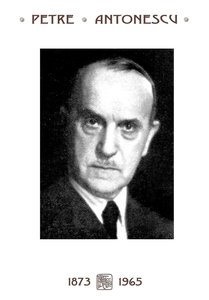
petre antonescu
1873 - 1965 , Romania
Quick Facts
- Artistic Movement Or Style: Neo-Romanian architecture
- Date Of Birth: 1873
- Date Of Death: 1965
- Full Name: Petre Antonescu
- Nationality: Romanian
- Notable Artworks:
- Arcul de Triumf
- Constanța Casino
- Place Of Birth: Pitești, Romania