

 Preview
 Send
Send Share
Share
 Details

 Download
 Similars
 X-Ray
X-Ray Diaporama
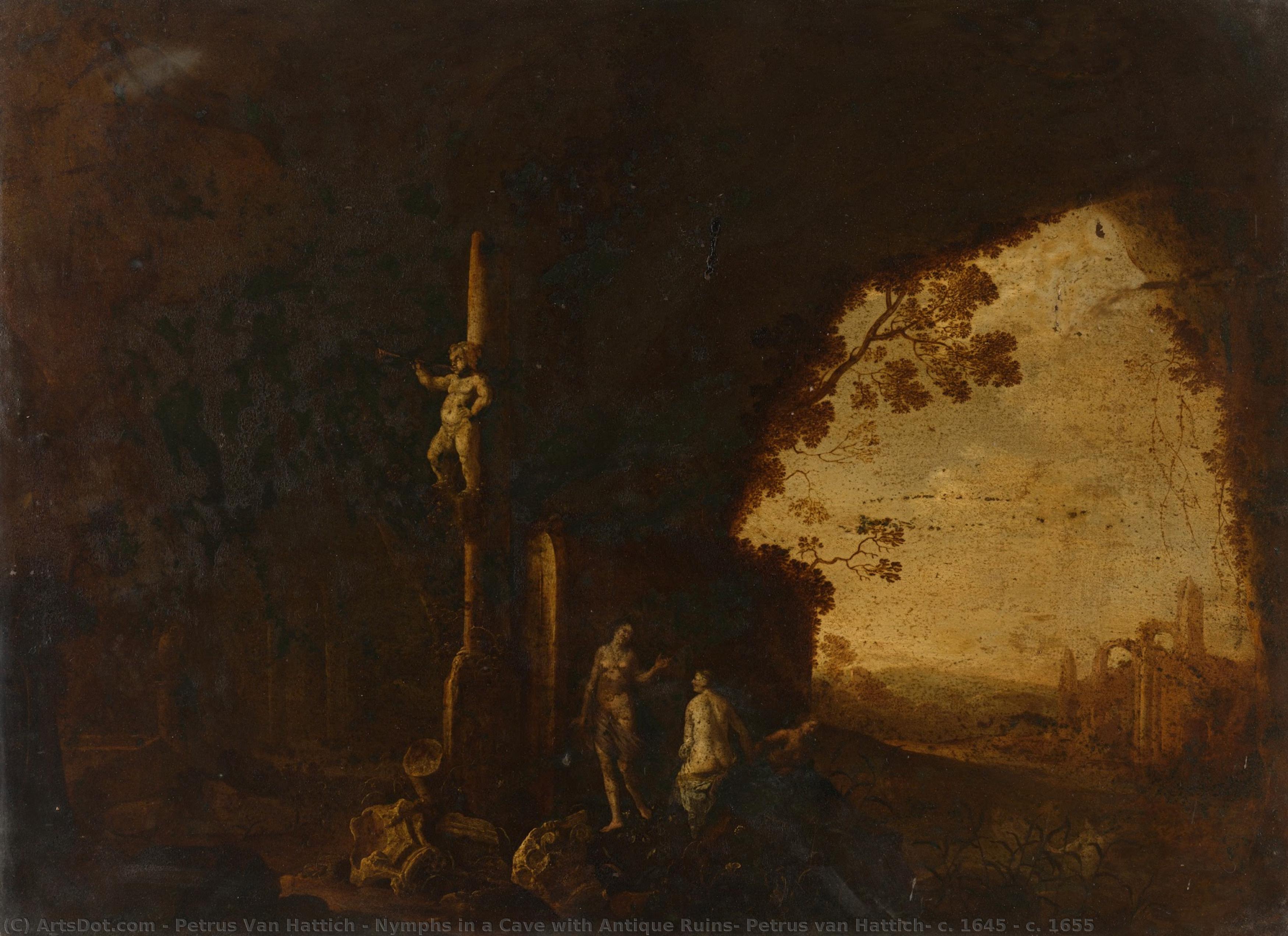
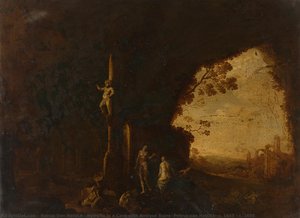
Nymphs in a Cave with Antique Ruins, Petrus van Hattich, c. 1645 - c. 1655


 Read More
Purchase a high-resolution, enhanced digital image, far superior to the online preview.
Each file is meticulously prepared by our in-house specialists using advanced tools and expert manual retouching. We ensure every image has exceptional clarity, precise color accuracy, and fine detail.
The final file is delivered via email within 72 hours, optimized for immediate use in professional, editorial, and print environments. This is the same quality trusted by top-tier design studios, publishers, and galleries.
Digital Image
Download a high-resolution file for personal display, printing, and creative projects. ( Buy Print Buy Hand Made Painting)
Included in Every Digital Image Order
Expert Digital Delivery, Guaranteed
When you choose ArtsDot.com, you're not just getting an image - you're receiving a professionally enhanced digital artwork, crafted with precision and backed by a satisfaction guarantee. Here's everything that comes with your order, automatically:

Fast Email Delivery
Your high-resolution digital image file will be emailed to you within 72 hours of ordering - ready for immediate use.

AI-Enhanced Digital File
Your artwork is professionally optimized using advanced AI tools and manual editing, ensuring maximum detail, clarity, and color accuracy.

Free Lifetime Re-Delivery
Accidentally deleted or lost your file? No worries - we'll resend it to you anytime, free of charge.

No Import Fees - Ever
Enjoy your artwork instantly with zero customs, duties, or delivery fees - digital downloads are always tax-free.

Color Accuracy Guarantee
We ensure your digital image reflects the original colors as closely as possible using professional tools and color management.

60-Day Satisfaction Guarantee
If you're not satisfied with your digital image, we'll revise it or refund 100% within 60 days - no questions asked.

100% Money-Back Guarantee
Not satisfied? Get a full refund within 60 days of receiving your digital file - no questions asked.

Bulk Order Discounts
Buy 3 images, save 10% - Buy 5, save 15% - Buy 10+, save 20%. Great for creative projects, galleries, and agencies.
Related Artworks
Artist Biography
The Ethereal Legacy of Petrus van Hattich
In the golden twilight of the Dutch Golden Age, a period defined by unparalleled artistic flourishing and economic vitality, the name Petrus van Hattich emerges as a whisper of Baroque brilliance. Active during the mid-17th century, specifically between approximately 1645 and 1655, Hattich occupied a space in art history that, while perhaps overshadowed by the monumental shadows of Rembrandt or Vermeer, offers a uniquely delicate and atmospheric window into the Dutch Baroque sensibility. His work serves as a testament to an era where the mastery of light and the exploration of classical themes converged to create a profound emotional resonance.
The biographical details of Hattich’s early life remain shrouded in the mists of time, much like the very landscapes he so skillfully rendered. While specific records of his formative years are sparse, it is widely understood that he operated within the vibrant artistic ecosystem of the Netherlands. His technical execution suggests a deep immersion in the prevailing traditions of his contemporaries, particularly the meticulous observation of nature and the dramatic use of chiaroscuro—the interplay of light and shadow—that defined the era's greatest masters. This training allowed him to move beyond mere representation, instead imbuing his canvases with a palpable sense of atmosphere.
A Mastery of Light and Classical Allusion
Hattich’s artistic identity is most vibrantly expressed through his command of illumination. He possessed an exceptional ability to manipulate directional light, using it not merely to illuminate subjects but to sculpt form and evoke mood. This technique is nowhere more evident than in his celebrated depictions of mythological scenes, such as his work featuring nymphs within the recesses of a cave. In these compositions, the artist utilizes subtle highlights against darker, sketchy backgrounds to create a sense of depth and mystery, drawing the viewer into a world where the boundaries between reality and myth seem to dissolve.
His technical repertoire was remarkably versatile, often employing oil on copper—a medium capable of extraordinary luminosity. This choice allowed for a fine, delicate touch, particularly visible in his rendering of foliage and the ethereal, almost ghostly, female forms that inhabit his landscapes. His work often reflects a dialogue with other masters of the period; one can observe echoes of the Utrecht artist Abraham van Cuylenborch in his compositions of nymphs bathing amidst ruins, as well as influences from Carel de Hooch in his ability to direct the eye through complex, layered backgrounds. Through these connections, Hattich’s work becomes part of a larger, interconnected tapestry of 17th-century European art.
Historical Significance and the Rijksmuseum Legacy
The enduring importance of Petrus van Hattich lies in his contribution to the specialized genre of classical landscapes and mythological interiors. His ability to blend the ruggedness of antique ruins with the delicate, transient beauty of nature created a unique aesthetic that captured the imagination of the Dutch Baroque period. Though some of his works have suffered from the ravages of time—notably certain pieces in the Rijksmuseum collection which arrived in fragile states due to corrosion—the surviving fragments continue to offer profound insights into his vision.
Today, Hattich is remembered as a painter of atmosphere and nuance. His significance is found in:
- The preservation of the Baroque spirit: His work maintains the essential tension between light and shadow that defines the era.
- Classical integration: He successfully merged Dutch landscape sensibilities with the classical allure of antiquity and mythology.
- Technical excellence: His mastery of light on varied surfaces, including copper, showcases the high level of craftsmanship present in the Dutch Golden Age.
As we look upon his surviving masterpieces, we see more than just historical artifacts; we encounter a visionary who used the language of light to explore the eternal themes of nature, myth, and the passage of time.
petrus van hattich
Netherlands
Quick Facts
- Artistic Movement Or Style: Dutch Golden Age
- Artists Or Movements Influenced By This Artist: Classical Art
- Artists Who Influenced This Artist: Rembrandt
- Date Of Birth: Dutch
- Date Of Death: Living
- Full Name: Petrus van Hattich
- Nationality: Dutch
- Notable Artworks: ['Nymphs in Cave with Antique Ruins']
- Place Of Birth: Netherlands

