 Preview
 Send
Send Share
Share
 Details

 Download
 Similars
 X-Ray
X-Ray Diaporama
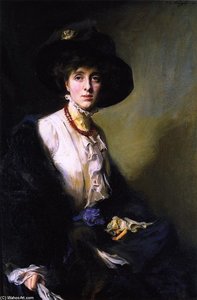
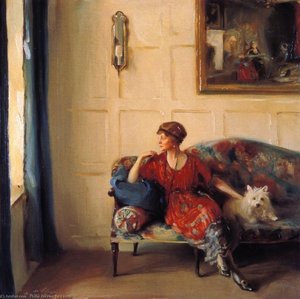
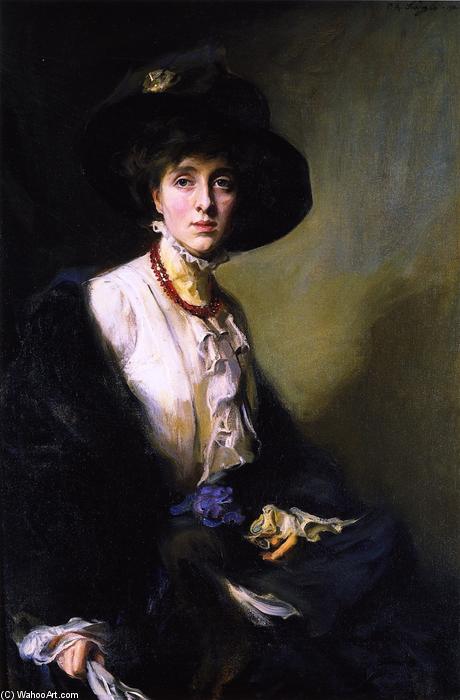
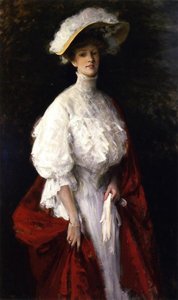
Vita Sackville-West


 Read More
Hand Made Oil Reproduction
Hand-painted oil on canvas in your size and frame, made to order by our artists. ( Buy Print Buy Image)




































Pick from our preset sizes that match the artwork's original proportions.

You may enter your own dimensions to fit a specific frame or space. If your selected size does not match the original image's proportions, we will either crop the artwork or extend the painting with additional hand-painted elements. A digital mockup will be sent for your approval before production begins.
Please note that the on-screen preview does not reflect the actual cropping or extension. Only the mockup will accurately show the final composition.
While custom sizes are available, we recommend selecting a dimension from the predefined list to preserve the original proportions.
After order, ArtsDot.com team will email client for instructions and provide a mockup preview
Worldwide Delivery () in 3/4 weeks instead of standard 5 weeks. (17 August). No compromise on quality.

Free Worldwide Express Shipping

High-Quality Linen Canvas

Full Shipping Insurance

Customs Tax Refund Guarantee

True Color Matching Guarantee

60-Day Return Policy (Defects Only)

100% Money-Back Guarantee

Bulk Discount Offer
 Glass option is only available in size under 110 CM

Vita Sackville-West
Reproduction Medium
Reproduction Size
-


Total Price
$ 263
Artwork Description
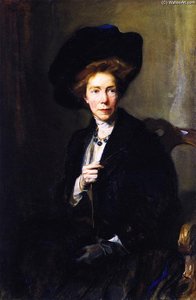
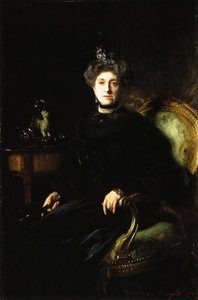
A Glimpse into Aristocratic Life: Vita Sackville-West by Philip de László
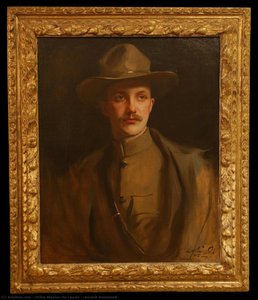
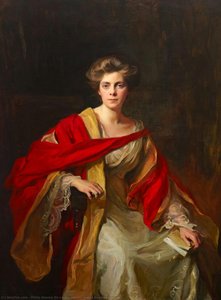
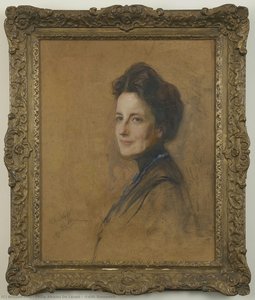
This captivating oil on canvas portrait, "Vita Sackville-West," painted in 1910 by the renowned Philip Alexius de László, offers a compelling window into the world of British aristocracy and literary society. The subject is none other than Victoria Mary Sackville-West, later known as Vita Sackville-West, a prominent writer, poet, and unconventional socialite who became a significant figure in Bloomsbury Group circles. De László masterfully captures her presence with an air of quiet confidence and intellectual depth. The painting resides within the historic Sissinghurst Castle in the United Kingdom, adding to its inherent sense of place and history.Style and Technique: A Synthesis of Realism and Elegance
De László was celebrated for his exceptional ability to blend realism with a refined artistic sensibility. This portrait exemplifies his signature style – meticulous attention to detail combined with an elegant, almost photographic clarity. Observe the precise rendering of her pearl necklace, the delicate texture of her black dress, and the subtle play of light on her face. The feather in her hat is rendered with remarkable precision, showcasing De László’s technical prowess. His use of oil paint allows for rich color saturation and a luminous quality that brings Vita Sackville-West to life. He was influenced by both academic traditions and contemporary portraiture trends, resulting in a style that was both timeless and modern for its time.Historical Context & Symbolism
Painted during the Edwardian era, a period of relative peace and prosperity in Britain, this portrait reflects the societal values and aesthetic preferences of the time. Vita Sackville-West herself represented a fascinating blend of tradition and modernity. She was a landowner and heir to Knole House, a symbol of established aristocracy, yet she also challenged conventional social norms through her unconventional lifestyle and literary pursuits. The book she holds is likely symbolic of her intellectual life and passion for literature – she was a prolific writer known for her gardening books and poetry. Her attire, while elegant, is understated, suggesting a woman of substance rather than ostentation.Emotional Impact & Legacy
Beyond its historical significance, "Vita Sackville-West" evokes a sense of quiet contemplation and dignified grace. De László’s skill in capturing the sitter's gaze creates an intimate connection with the viewer; it feels as though Vita is directly engaging with us. The portrait transcends mere representation to become a study of character – revealing a woman of intelligence, independence, and subtle strength. This work remains a testament to de László’s talent for immortalizing his subjects and provides a valuable glimpse into the life of one of Britain's most intriguing figures. Owning a reproduction allows you to bring this piece of history and artistry into your own space, appreciating its beauty and significance for generations to come.Related Artworks
![Vida De Miguel De Cervantes Saavedra (life Of Miguel De Cervantes Saavedra). Book V Of The Edition Of Don Quixote (biblioteca Nacional De España)\n\n[7] — Martín Fernández De Navarrete Y Ximénez De Tejada, Academic Art](/media/artworks/images/thumbnails/99/f9/99f969c294754562907a5ffd062310fa.jpg)
Artist Biography
Philip Alexius de László: Life and Legacy
Early Life and Education
Philip Alexius de László, born Fülöp Laub on April 30, 1869, in Budapest, Hungary, rose from humble beginnings to become a celebrated portrait painter of European royalty and aristocracy. His parents, Adolf and Johanna Laub, were a tailor and seamstress respectively, of Jewish origin. He initially apprenticed as a photographer while pursuing his artistic studies. He gained admission to the National Academy of Art in Budapest, studying under Bertalan Székely and Károly Lotz. Further studies in Munich and Paris broadened his artistic horizons.
Artistic Development and Influences
De László’s early work demonstrated a keen eye for detail and a developing mastery of realism. His influences included the academic traditions he learned at the Academy, as well as the prevailing trends in portraiture during the late 19th and early 20th centuries. He quickly distinguished himself with his ability to capture not only physical likeness but also the personality and social standing of his sitters. A pivotal moment came in 1900 when his portrait of Pope Leo XIII earned him a Grand Gold Medal at the Paris International Exhibition, establishing his international reputation.
Career and Major Achievements
Following his success in Paris, de László moved to Vienna in 1903 and then settled in London in 1907, where he remained for the rest of his life. He became a highly sought-after portraitist among the European elite. His clientele included monarchs, nobles, industrialists, scientists, and prominent figures from various fields.
- Notable Sitters: Sir Alfred East, Winifred Cavendish-Bentinck (Duchess of Portland), Lady Louise Mountbatten (Queen of Sweden), Vita Sackville-West, Pope Leo XIII, Augusta Victoria (German Empress), Princess Alice of Battenberg, and many others.
- Honors & Recognition: Invested as a Member of the Royal Victorian Order (MVO) by Edward VII in 1909. Ennobled by King Franz Joseph I of Hungary in 1912, adopting the name “de László de Lombos.”
Personal Life and Challenges
In 1900, de László married Lucy Madeleine Guinness, a member of the prominent banking family. They had six children and seventeen grandchildren. He converted to Anglicanism upon his marriage after an earlier interest in Catholicism. Despite his British citizenship and established life in England, he faced internment during World War I (1917-1918) due to suspicions surrounding his Austrian connections, a period of significant hardship.
Artistic Style and Themes
De László’s style is characterized by its realism, meticulous detail, and vibrant color palette. He was adept at capturing the textures of fabrics, jewelry, and skin tones. His portraits often convey a sense of elegance, sophistication, and social status. While primarily known for portraiture, he also created landscapes and genre scenes.
Historical Significance and Legacy
Philip de László’s work provides valuable insights into the lives and appearances of European high society during the late 19th and early 20th centuries. His portraits serve as historical documents, capturing a specific era and its social dynamics. Although sometimes criticized for being primarily a society portraitist, his technical skill and ability to capture character are undeniable. His oeuvre comprises nearly 4,000 works, including drawings, and a catalogue raisonné is currently in progress. He died on November 22, 1937, in London, leaving behind a lasting legacy as one of the foremost portrait painters of his time.
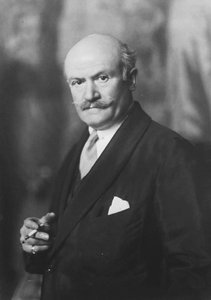
philip alexius de lászló
1869 - 1937
Quick Facts
- Birth Date: 1869
- Birth Place: Budapest, Hungary
- Death Date: 1937
- Influenced By:
- Bertalan Székely
- Károly Lotz
- Movement: Realism, Portraiture
- Name: Philip Alexius de László
- Nationality: Hungarian, British
- Notable Works:
- Portrait of Pope Leo XIII
- Portraits of European royalty & aristocracy
Related Articles

Demandes Commerciales
APS ofrece reproducciones de bellas artes y encargos personalizados desde 2004. Confían en nosotros corporaciones, hoteles y coleccionistas selectos para obras de arte de calidad museística, servicio discreto y soluciones artísticas completas. ¡Póngase en contacto con nosotros para obtener un presupuesto personalizado!
Philip de László: A Portrait of Aristocratic Society & the Cosmopolitan Painter's Evolution
Explore the life & art of Philip de László, master portraitist of European aristocracy. Discover his stunning paintings, royal commissions, and enduring legacy. A guide for discerning collectors.

Goya's Masterpieces: Explore 25 Iconic Paintings & Art Prints | ArtsDot
Delve into the world of Francisco Goya with ArtsDot. Explore 25 iconic paintings – from 'The Third of May' to his haunting Black Paintings. Discover the stories, techniques & emotions behind these Spanish masterpieces. Find museum-quality art reproductions for your home at ArtsDot.com!

A riguardo di noi
Découvrez notre histoire ! Nous apportons l'art de classe mondiale dans votre vie grâce à une sélection experte, des créations personnalisées et des aperçus gratuits. Approuvé par les particuliers et les entreprises depuis 2000.

Philip James de Loutherbourg: Romantic Visions of Maritime Life & the Sublime
Explore the dramatic naval scenes & landscapes of Philip James de Loutherbourg (1740-1812), a key figure in Romantic painting. Discover his legacy, theatrical innovations & iconic works like 'The Battle of the Nile' at ArtsDot.