

 Preview
 Send
Send Share
Share
 Details

 Download
 Similars
 X-Ray
X-Ray Diaporama
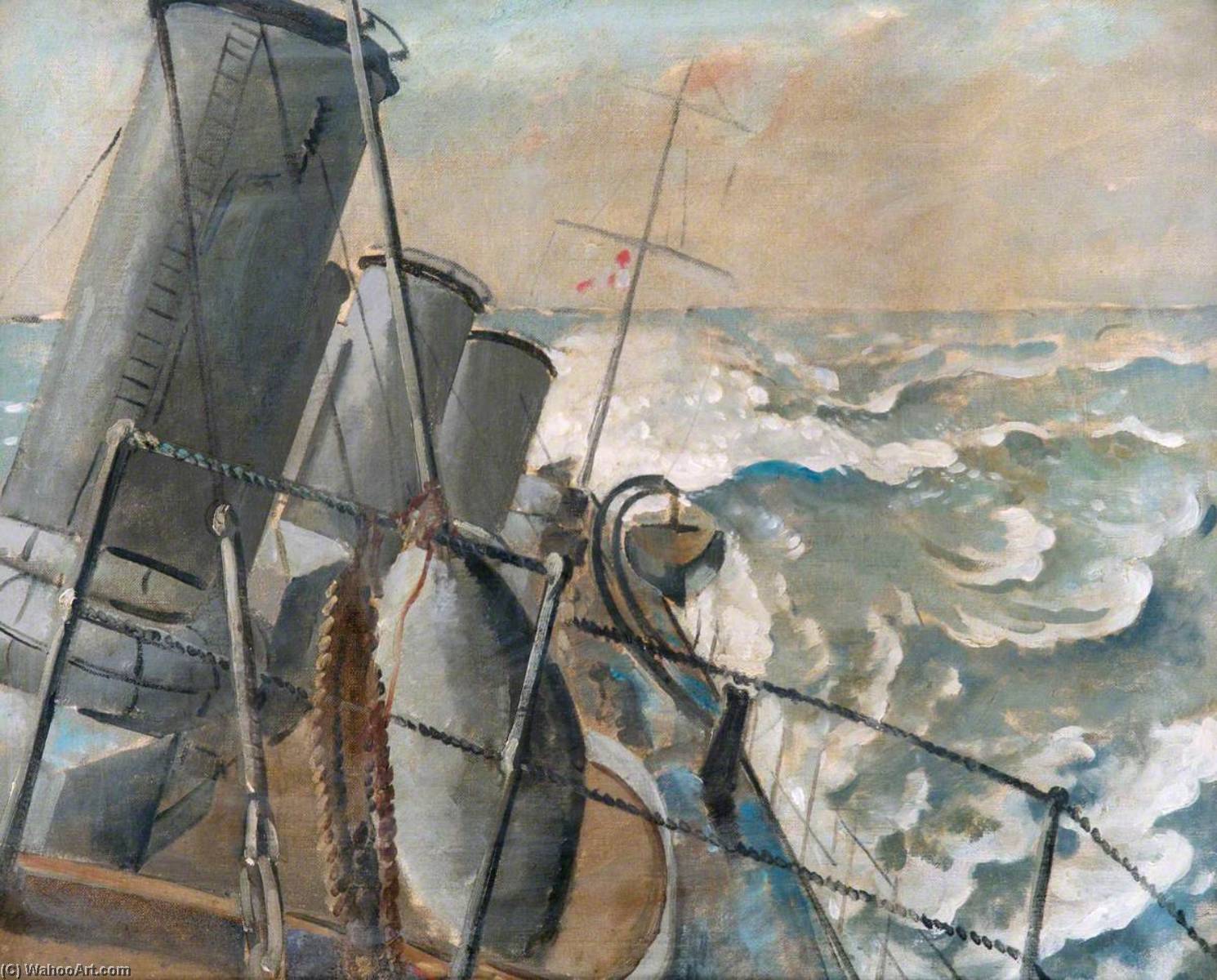
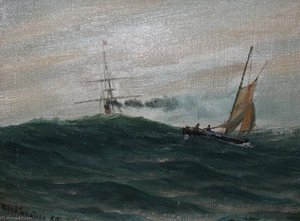
A Destroyer in a Heavy Sea From HMS 'Melampus'
 Post-Impressionism
 1918
1918 51.0 x 61.0 cm
 Read More
Purchase a high-resolution, enhanced digital image, far superior to the online preview.
Each file is meticulously prepared by our in-house specialists using advanced tools and expert manual retouching. We ensure every image has exceptional clarity, precise color accuracy, and fine detail.
The final file is delivered via email within 72 hours, optimized for immediate use in professional, editorial, and print environments. This is the same quality trusted by top-tier design studios, publishers, and galleries.
Digital Image
Download a high-resolution file for personal display, printing, and creative projects. ( Buy Print Buy Hand Made Painting)
Included in Every Digital Image Order
Expert Digital Delivery, Guaranteed
When you choose ArtsDot.com, you're not just getting an image - you're receiving a professionally enhanced digital artwork, crafted with precision and backed by a satisfaction guarantee. Here's everything that comes with your order, automatically:

Fast Email Delivery
Your high-resolution digital image file will be emailed to you within 72 hours of ordering - ready for immediate use.

AI-Enhanced Digital File
Your artwork is professionally optimized using advanced AI tools and manual editing, ensuring maximum detail, clarity, and color accuracy.

Free Lifetime Re-Delivery
Accidentally deleted or lost your file? No worries - we'll resend it to you anytime, free of charge.

No Import Fees - Ever
Enjoy your artwork instantly with zero customs, duties, or delivery fees - digital downloads are always tax-free.

Color Accuracy Guarantee
We ensure your digital image reflects the original colors as closely as possible using professional tools and color management.

60-Day Satisfaction Guarantee
If you're not satisfied with your digital image, we'll revise it or refund 100% within 60 days - no questions asked.

100% Money-Back Guarantee
Not satisfied? Get a full refund within 60 days of receiving your digital file - no questions asked.

Bulk Order Discounts
Buy 3 images, save 10% - Buy 5, save 15% - Buy 10+, save 20%. Great for creative projects, galleries, and agencies.
Collectible Description
A Moment of Peril: Philip Connard's "A Destroyer in a Heavy Sea From HMS 'Melampus'"
Philip Connard’s 1918 oil painting, “A Destroyer in a Heavy Sea From HMS ‘Melampus,’” is more than just a depiction of naval power; it's a visceral portrayal of human resilience against the overwhelming force of nature. Created during World War I, this artwork captures a specific moment of tension and vulnerability aboard a British destroyer battling turbulent seas. The painting’s enduring appeal lies in its ability to evoke a powerful emotional response while showcasing Connard’s mastery of Impressionistic techniques.
Style & Technique: Capturing Atmosphere Through Brushwork
Connard's style leans towards representational art, but with a distinct Impressionist/Post-Impressionist sensibility. He prioritizes the *feeling* of the scene over photographic accuracy. This is evident in his loose and expressive brushstrokes, which create a dynamic texture that mimics the chaotic nature of the water. The visible application of oil paint—a hallmark of these movements—adds depth and visual interest. Notice how he uses thick impasto to represent foam and spray, further enhancing the sense of movement and turbulence. The technique involves layering and blending to achieve tonal variations, skillfully representing the interplay of light and shadow within the overcast conditions.
Historical Context & Symbolism: War, Sea Power, and Human Endeavor
Painted in 1918, during the final year of World War I, this artwork reflects a period marked by immense upheaval and technological advancement. Naval power was crucial to the war effort, and destroyers like the HMS ‘Melampus’ played vital roles in escorting convoys and patrolling waters. Beyond its historical significance, the painting carries symbolic weight. The struggling ship can be interpreted as a metaphor for human effort against overwhelming odds—a poignant representation of wartime hardship and the constant battle against unpredictable forces. The smaller boats visible in the distance emphasize the isolation and vulnerability of the destroyer amidst the vastness of the sea.
Emotional Impact & Compositional Choices
“A Destroyer in a Heavy Sea” evokes a profound sense of anxiety, danger, and even awe. The cool color palette—dominated by blues, grays, and whites—contributes to the somber atmosphere. Strong diagonal lines created by the waves and the ship’s angle amplify the feeling of instability and urgency. The flattened perspective draws the viewer directly into the scene, creating a sense of immediacy. Connard's skillful use of light and shadow, despite the overcast conditions, further enhances the painting's emotional impact, leaving a lasting impression on the observer.
A Timeless Masterpiece for Your Collection
This striking artwork is not only a testament to Philip Connard’s artistic skill but also a window into a pivotal moment in history. Whether you are an art enthusiast, a collector seeking a powerful statement piece, or an interior designer looking to add depth and drama to a space, a hand-painted reproduction of "A Destroyer in a Heavy Sea From HMS 'Melampus'" is sure to captivate and inspire.
Related Artworks

Artist Biography
A Life Painted in Light: The Story of Philip Connard
Philip Connard (1875-1958) emerged from humble beginnings to become a celebrated British painter, his canvases imbued with a romantic sensibility and a remarkable versatility that spanned decorative landscapes, poignant war art, and grand mural commissions. Born in Southport, Lancashire, Connard’s early life offered little indication of the artistic path he would forge. He initially entered the building trade as a house painter, a practical occupation that nonetheless fostered an appreciation for form, color, and meticulous detail—qualities that would later define his work. However, a burgeoning passion for art led him to evening classes, culminating in a scholarship to the Royal College of Art in London, where he specialized in textile design. A small prize of £100 allowed a brief sojourn to Paris, though financial constraints curtailed his time there, it nonetheless provided an initial taste of the European artistic milieu. Upon returning to London, Connard established himself as an illustrator before securing a teaching position at Lambeth School of Art. This period proved pivotal, not only for his professional development but also for nurturing a new generation of artists, including Edmund Blampied. It was during these years that Connard’s distinctive style began to coalesce—romantic landscapes populated with graceful figures, often pierettes or birds, rendered in oils with an airy lightness and individual conception. He submitted works to the New English Art Club, gaining recognition for his evocative compositions.From Battlefield Sketches to Royal Commissions
The outbreak of World War I dramatically altered Connard’s trajectory. Despite being nearly forty years old, he volunteered for service, joining the Royal Field Artillery as a private and rising to the rank of Captain before being invalided out due to severe shell shock. This experience profoundly impacted his artistic vision. Appointed an official war artist to the Royal Navy, Connard documented scenes of naval conflict with a newfound intensity and emotional depth. His sketches and paintings captured the drama of battles, most notably the surrender of the German ship SMS Goeben and the daring Zeebrugge raid—works that now reside in the Imperial War Museum, London, serving as powerful visual records of a tumultuous era. This period marked a shift from idyllic landscapes to scenes imbued with patriotism and sacrifice. Connard’s wartime service propelled him into a realm of prestigious commissions. He secured contracts for murals at Windsor Castle, large panels for a ballroom in New Delhi, and perhaps his most significant undertaking: a substantial panel depicting England for the opulent RMS Queen Mary liner. These projects showcased his mastery of decorative painting and his ability to translate grand narratives onto monumental surfaces. His work during this time was characterized by a refined elegance and a meticulous attention to detail, reflecting both classical influences and a distinctly British aesthetic sensibility.Recognition and Legacy
The accolades followed in quick succession. Connard was elected an associate of the Royal Academy in 1918 and became a full Academician in 1925. He further served as Keeper of the Royal Academy school from 1945 to 1949, guiding aspiring artists and shaping the future direction of British art. In 1950, he was appointed a Commander of the Royal Victorian Order, acknowledging his significant contributions to the artistic landscape. Throughout his career, Connard’s work found its way into esteemed collections including the Tate Gallery in London, the Musée d’Orsay in Paris, and the National Museum of Wales.- Influences: While not explicitly aligned with a single movement, Connard's work demonstrates an affinity for Impressionism, particularly in his use of light and color. He also drew inspiration from classical traditions and the decorative arts.
- Key Characteristics: Romantic landscapes, graceful figures, meticulous detail, atmospheric perspective, patriotic themes (particularly during wartime), and a refined elegance.
- Major Achievements: Official War Artist to the Royal Navy, murals at Windsor Castle, panel for RMS Queen Mary, election to the Royal Academy, Keeper of the Royal Academy school.
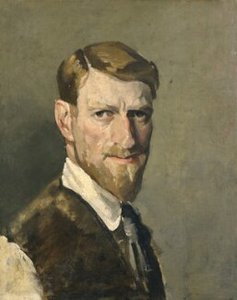
philip connard
1875 - 1958
Quick Facts
- Artistic Movement Or Style: Impressionism, Decorative landscapes
- Date Of Birth: March 24, 1875
- Date Of Death: December 8, 1958
- Full Name: Philip Connard
- Nationality: British
- Notable Artworks:
- Sketch for '27 Knots HMS Melampus'
- Cloud Shadows
- RMS Queen Mary art
- Place Of Birth: Southport, UK

