 Preview
 Send
Send Share
Share
 Details

 Download
 Similars
 X-Ray
X-Ray Diaporama
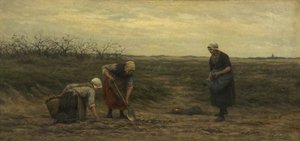
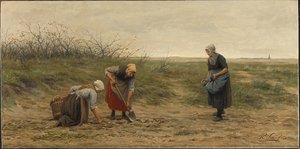
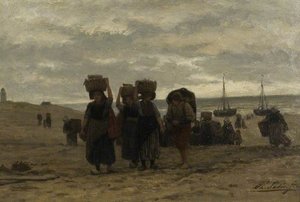
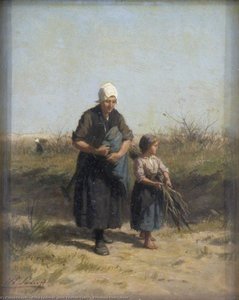
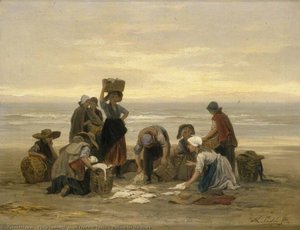
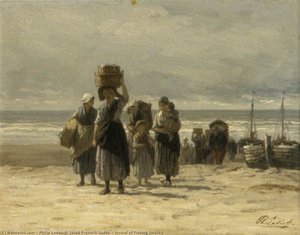
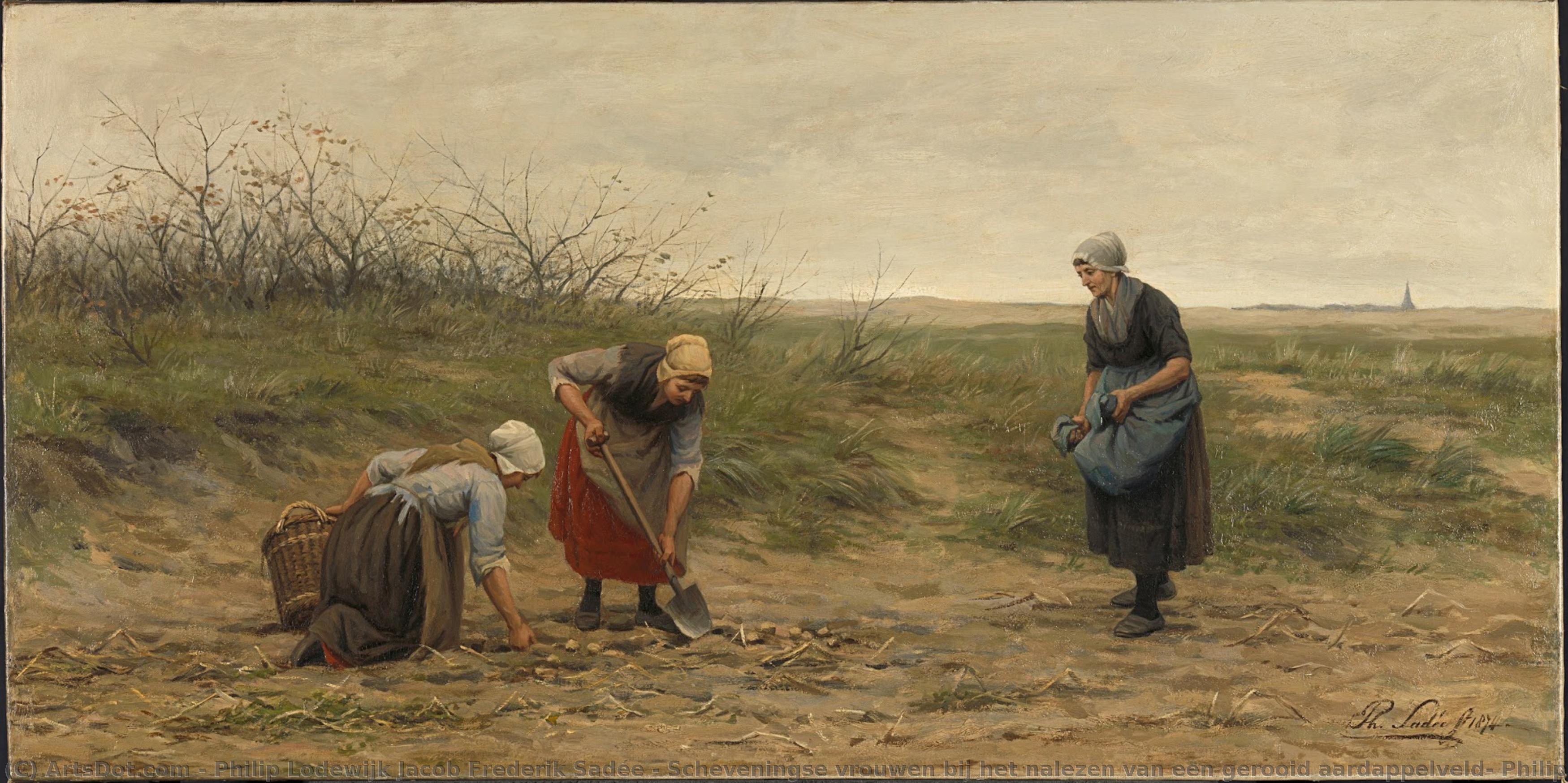
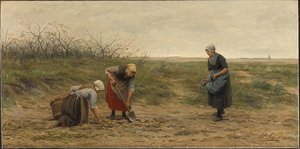
Scheveningse vrouwen bij het nalezen van een gerooid aardappelveld, Philip Sadée, 1874
 1874
1874 121.0 x 12.0 cm
 Read More
Hand Made Oil Reproduction
Hand-painted oil on canvas in your size and frame, made to order by our artists. ( Buy Print Buy Image)




































Pick from our preset sizes that match the artwork's original proportions.

You may enter your own dimensions to fit a specific frame or space. If your selected size does not match the original image's proportions, we will either crop the artwork or extend the painting with additional hand-painted elements. A digital mockup will be sent for your approval before production begins.
Please note that the on-screen preview does not reflect the actual cropping or extension. Only the mockup will accurately show the final composition.
While custom sizes are available, we recommend selecting a dimension from the predefined list to preserve the original proportions.
After order, ArtsDot.com team will email client for instructions and provide a mockup preview
Worldwide Delivery () in 3/4 weeks instead of standard 5 weeks. (26 August). No compromise on quality.

Free Worldwide Express Shipping

High-Quality Linen Canvas

Full Shipping Insurance

Customs Tax Refund Guarantee

True Color Matching Guarantee

60-Day Return Policy (Defects Only)

100% Money-Back Guarantee

Bulk Discount Offer
 Glass option is only available in size under 110 CM

Scheveningse vrouwen bij het nalezen van een gerooid aardappelveld, Philip Sadée, 1874
Reproduction Medium
Reproduction Size
-


Total Price
$ 263
Artwork Description
Related Artworks





Artist Biography
The Quiet Observer of Dutch Coastal Life
Philip Lodewijk Jacob Frederik Sadée, a name synonymous with the soulful realism of the Hague School, possessed an uncanny ability to capture the fleeting rhythms of existence. Born in The Hague in 1837, his artistic journey was one of meticulous observation and profound empathy. From the tender age of ten, when he first began drawing lessons under Paul Tétar van Elven, Sadée demonstrated a burgeoning sensitivity to form and light. This early training, deeply rooted in the traditions of his homeland, laid the foundation for a career defined by an unwavering commitment to truth. His education was further refined within the prestigious Academy and the studio of Jacobus van den Berg, where he mastered the nuances of anatomical accuracy and the subtle art of tonal gradation—elements that would later breathe life into his depictions of the human condition.
The trajectory of Sadée’s style underwent a transformative shift in 1866. Alongside his contemporary Julius van de Sande Bakhuyzen, he traveled to Düsseldorf, a period that proved instrumental in expanding his artistic horizons. The vibrant atmosphere of the Düsseldorf school introduced him to more expressive brushwork and a sophisticated command of atmospheric effects. While his early repertoire included grander narratives, such as biblical scenes and historical subjects, it was his encounter with the rugged, salt-sprayed reality of Scheveningen that truly ignited his creative spirit. He found himself captivated by the coastal communities, moving away from the theatricality of history painting toward a more intimate, grounded exploration of daily life.
A Symphony of Salt and Sand
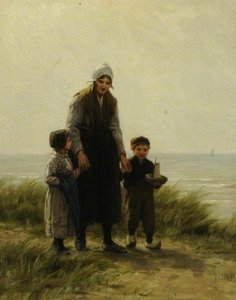
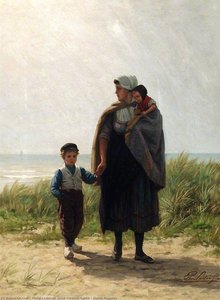
In the works of Sadée, the Dutch coastline is not merely a backdrop but a living, breathing protagonist. He became a chronicler of the fishing industry, documenting the tireless labor of those whose lives were inextricably linked to the sea. Through his eyes, we witness the weathered faces of fishermen hauling heavy nets, the rhythmic bustle of maritime auctions, and the quiet dignity found in the simplest of tasks. His paintings often feature the iconic fishing smacks navigating the surf, rendered with a precision that honors both the physical weight of the vessels and the ethereal quality of the light reflecting off the North Sea.
What distinguishes Sadée from many of his contemporaries was his deliberate restraint. While some artists sought to overwhelm the viewer with flamboyant spectacle, Sadée preferred a palette of muted tones and subtle gradations. This stylistic choice allowed him to convey a profound psychological depth; he did not merely paint people, he painted their experiences. Whether depicting the serene beauty of sun-drenched dunes or the gritty reality of potato digging in the fields, his work maintains a sense of quietude and reverence. There is an inherent empathy in his brushstrokes, a way of capturing the essence of human struggle and resilience amidst the vastness of the natural world.
Legacy and Artistic Significance
Throughout his prolific career, which spanned several decades until his death in 1904, Sadée’s influence resonated far beyond the borders of The Hague. His travels through France, Germany, Belgium, and Italy enriched his visual vocabulary, yet he remained fundamentally anchored to the Dutch tradition. As a respected educator at the Academy in The Hague, he passed his dedication to realism onto a new generation of artists, including Hendrikus M. Horrix. His election to the prestigious Arte et Amicitiae in Amsterdam served as a testament to his standing within the European art community.
The historical significance of Philip Sadée lies in his role as a bridge between traditional academicism and the emotive realism of the Hague School. He elevated the genre painting from mere illustration to a profound meditation on existence. Today, his works remain vital touchstones for understanding the 19th-century Dutch identity—a period marked by a deep connection to the land and sea, and a growing fascination with the beauty found in the ordinary. To look upon a Sadée landscape is to step into a world where every wave, every shadow, and every weary face tells a story of enduring grace.
philip lodewijk jacob frederik sadée
1837 - 1904
Quick Facts
- Artistic Movement Or Style: Hague School
- Artists Or Movements Influenced By This Artist: ['Simonis & Buunk']
- Artists Who Influenced This Artist: ['Jacobus van den Berg']
- Date Of Birth: February 7, 1837
- Full Name: Philip Lodewijk Jacob Frederik Sadée
- Nationality: Dutch
- Notable Artworks:
- Returning from Labour
- Potato Digging
- Dutch Peasants
- Place Of Birth: The Hague, Netherlands