

 Preview
 Send
Send Share
Share
 Details

 Download
 Similars
 X-Ray
X-Ray Diaporama
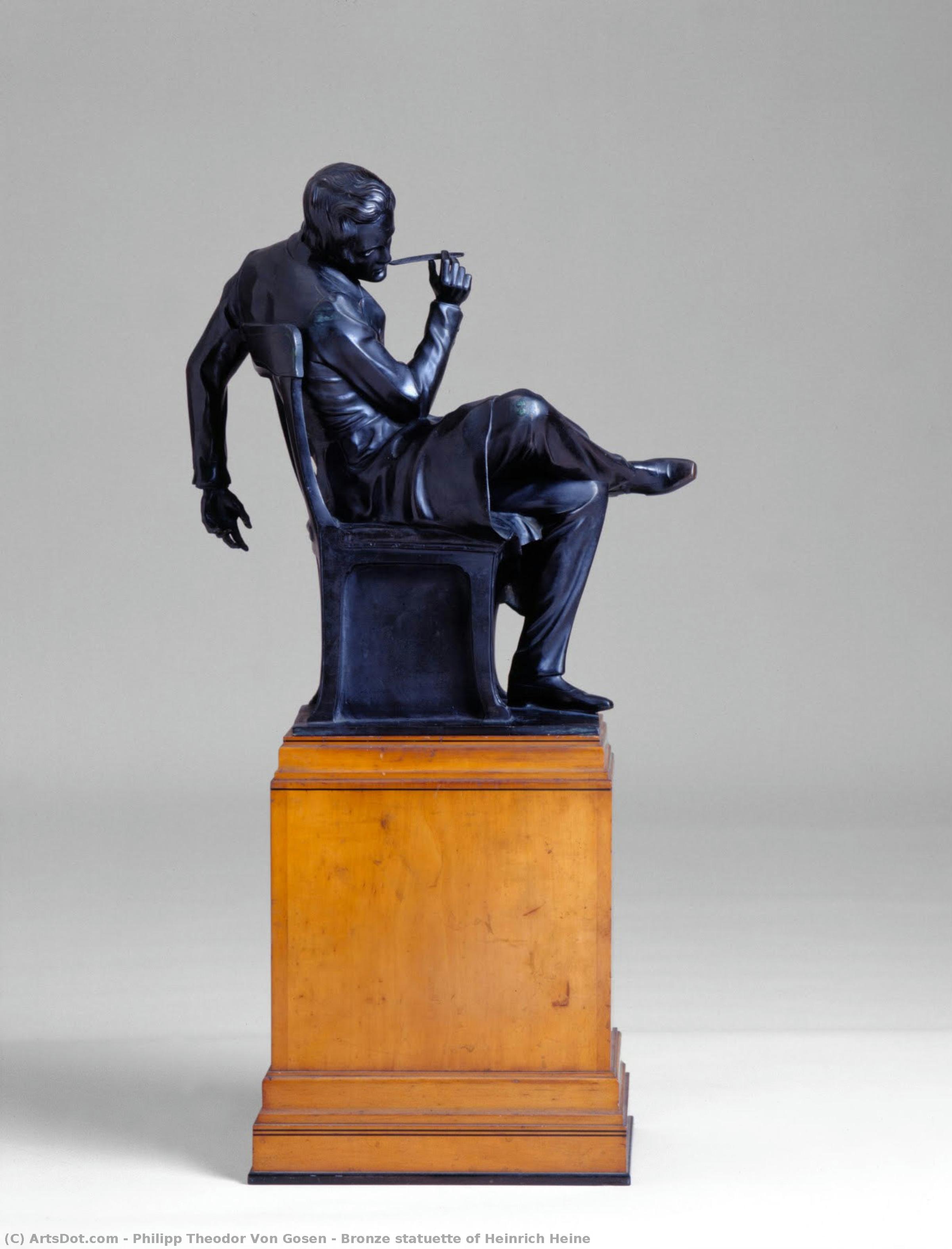
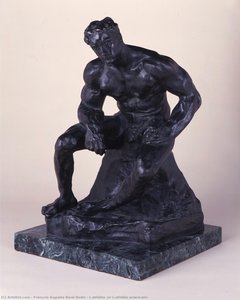
Bronze statuette of Heinrich Heine


 Read More
Purchase a high-resolution, enhanced digital image, far superior to the online preview.
Each file is meticulously prepared by our in-house specialists using advanced tools and expert manual retouching. We ensure every image has exceptional clarity, precise color accuracy, and fine detail.
The final file is delivered via email within 72 hours, optimized for immediate use in professional, editorial, and print environments. This is the same quality trusted by top-tier design studios, publishers, and galleries.
Digital Image
Download a high-resolution file for personal display, printing, and creative projects. ( Buy Print Buy Hand Made Painting)
Included in Every Digital Image Order
Expert Digital Delivery, Guaranteed
When you choose ArtsDot.com, you're not just getting an image - you're receiving a professionally enhanced digital artwork, crafted with precision and backed by a satisfaction guarantee. Here's everything that comes with your order, automatically:

Fast Email Delivery
Your high-resolution digital image file will be emailed to you within 72 hours of ordering - ready for immediate use.

AI-Enhanced Digital File
Your artwork is professionally optimized using advanced AI tools and manual editing, ensuring maximum detail, clarity, and color accuracy.

Free Lifetime Re-Delivery
Accidentally deleted or lost your file? No worries - we'll resend it to you anytime, free of charge.

No Import Fees - Ever
Enjoy your artwork instantly with zero customs, duties, or delivery fees - digital downloads are always tax-free.

Color Accuracy Guarantee
We ensure your digital image reflects the original colors as closely as possible using professional tools and color management.

60-Day Satisfaction Guarantee
If you're not satisfied with your digital image, we'll revise it or refund 100% within 60 days - no questions asked.

100% Money-Back Guarantee
Not satisfied? Get a full refund within 60 days of receiving your digital file - no questions asked.

Bulk Order Discounts
Buy 3 images, save 10% - Buy 5, save 15% - Buy 10+, save 20%. Great for creative projects, galleries, and agencies.
Related Artworks




Artist Biography
Wallace Morgan: A Pioneer of American Illustration
Born in New York City in 1873, Wallace Morgan’s journey to becoming a celebrated artist was one forged through perseverance and an innate talent for capturing the visual world. His early life, rooted in Albany where his father instilled within him a love for art, set the stage for a career that would profoundly impact the landscape of American illustration. Rather than pursuing a traditional academic path, Morgan’s ambition led him to the National Academy of Design in New York City, supplementing his studies with a vital part-time position as a sketch artist for the New York Sun. This seemingly humble beginning proved transformative, honing his skills in rapid rendering and observation – techniques that would later define his distinctive style.
Morgan’s early work focused on capturing the details of everyday life—from bustling city streets to the intricacies of industrial scenes. He quickly developed a remarkable ability to translate complex subjects into clear, concise sketches for print, earning him considerable recognition within the demanding world of newspaper illustration. Crucially, he mastered the art of “ready-to-print” sketching – producing detailed drawings directly suitable for reproduction without the need for extensive preliminary work. This efficiency and precision became hallmarks of his output, allowing him to produce a prodigious volume of illustrations for a diverse range of publications including Collier’s, Cosmopolitan, The New Yorker, and the popular magazine, Saturday Evening Post.
A Shift Towards Official Art: The World War I Years
As America entered World War I in 1917, Morgan's career took a significant turn. Recognizing his established skills and experience, he was selected as one of the official war artists commissioned by the U.S. Army Signal Corps. This marked a pivotal moment, shifting his focus from commercial illustration to documenting the realities of wartime service. He eagerly accepted the role, receiving a commission as a Captain in March 1918 and deploying to France just a month later.
During his year-long assignment, Morgan meticulously documented the war effort, focusing primarily on the Marine Brigade. He followed them through key battles like Chateau-Thierry and Belleau Wood, capturing the grit, determination, and human cost of conflict with unflinching realism. His sketches weren’t romanticized depictions of heroism; instead, they presented a stark and honest portrayal of soldiers in action, reflecting the brutal conditions of trench warfare. These images served not only as visual records but also as powerful propaganda tools, shaping public perception of the war effort.
Influences and Artistic Style
While Morgan’s work is often associated with the direct realism of his wartime sketches, his artistic foundation was rooted in a broader range of influences. His early training at the National Academy of Design exposed him to traditional academic techniques, while his time in Europe—particularly in Munich—introduced him to the burgeoning currents of modern art. He admired the work of masters like Aman-Jean and Collin, absorbing their approaches to drawing and composition.
Morgan’s style is characterized by its clarity, precision, and remarkable detail. He possessed an exceptional ability to render textures, light, and shadow with accuracy, creating images that were both visually engaging and remarkably informative. His illustrations often conveyed a sense of immediacy and spontaneity, capturing the fleeting moments of action or emotion. Despite his technical proficiency, Morgan’s work never felt sterile or detached; he imbued his subjects with a palpable sense of life.
Legacy and Recognition
Following the war, Wallace Morgan returned to his studio in New York City, continuing to produce illustrations for various clients. He quickly established himself as one of the leading illustrators in America, earning the title “Dean of American Illustrators” due to his prolific output and consistent quality. He was elected to the National Academy of Design and inducted into the Society of Illustrators’ Hall of Fame, recognizing his significant contribution to the art form.
Morgan's legacy extends beyond his individual artwork. He played a crucial role in promoting modern illustration as a legitimate artistic medium, demonstrating its potential for both commercial success and artistic merit. His dedication to capturing the world around him with honesty and skill continues to inspire illustrators today. Wallace Morgan’s life exemplifies the transformative power of talent, perseverance, and a willingness to embrace new challenges – a testament to his enduring impact on American art history.
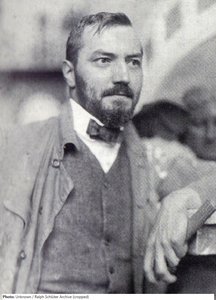
philipp theodor von gosen
1873 - 1943 , Germany
Quick Facts
- Artistic Movement Or Style: Post-Impressionist
- Artists Or Movements Influenced By This Artist: ['Arts Club of Chicago']
- Artists Who Influenced This Artist:
- Vincent van Gogh
- Claude Monet
- Date Of Birth: June 1, 1873
- Date Of Death: June 25, 1953
- Full Name: Frederic Clay Bartlett
- Nationality: American
- Notable Artworks:
- Nymphs and Satyr
- Love Among the Ruins
- Place Of Birth: Chicago, USA

