 Preview
 Send
Send Share
Share
 Details

 Download
 Similars
 X-Ray
X-Ray Diaporama
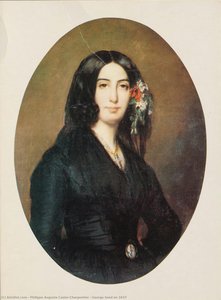
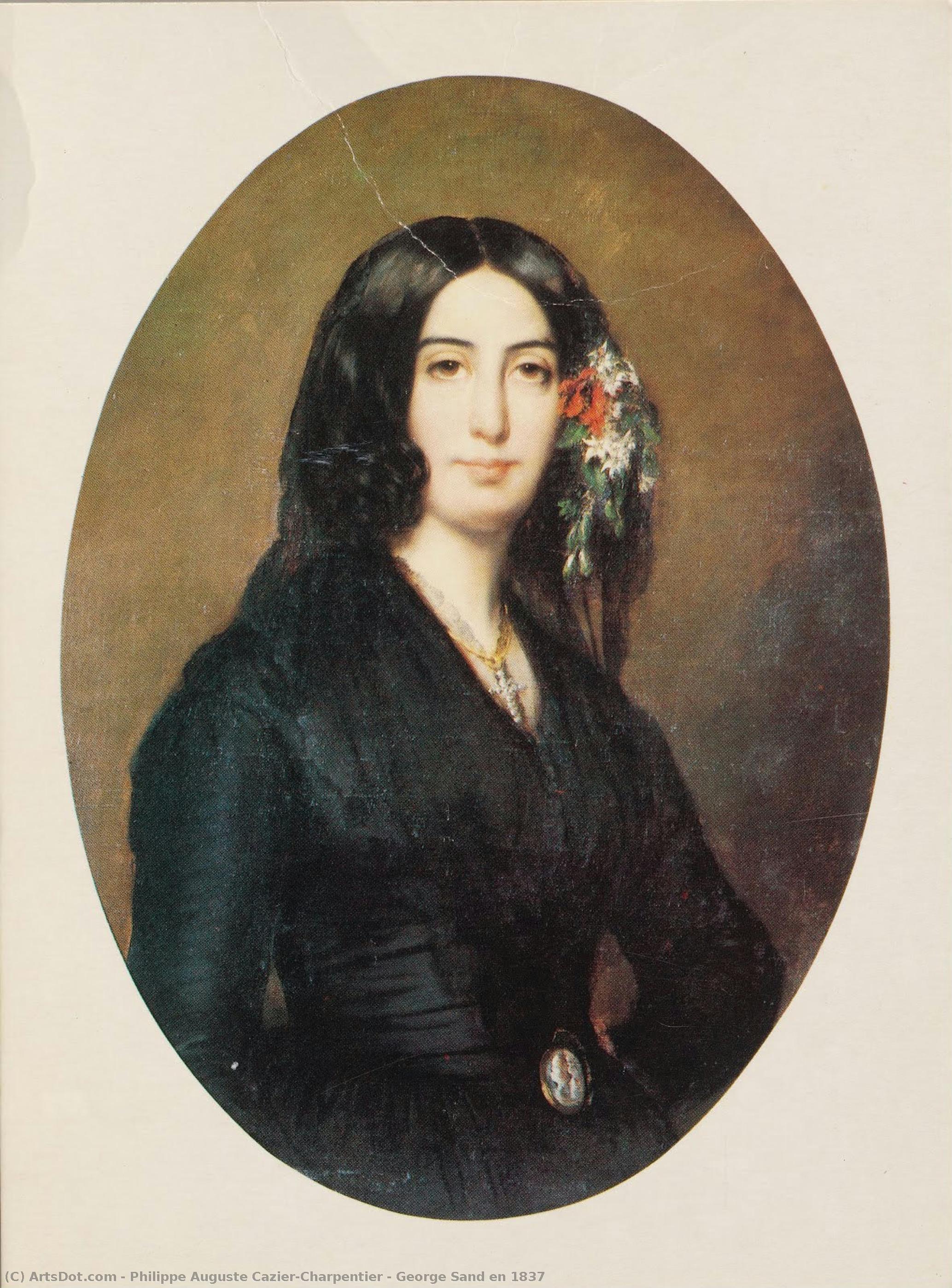
George Sand en 1837

 Read More
Hand Made Oil Reproduction
Hand-painted oil on canvas in your size and frame, made to order by our artists. ( Buy Print Buy Image)




































Pick from our preset sizes that match the artwork's original proportions.

You may enter your own dimensions to fit a specific frame or space. If your selected size does not match the original image's proportions, we will either crop the artwork or extend the painting with additional hand-painted elements. A digital mockup will be sent for your approval before production begins.
Please note that the on-screen preview does not reflect the actual cropping or extension. Only the mockup will accurately show the final composition.
While custom sizes are available, we recommend selecting a dimension from the predefined list to preserve the original proportions.
After order, ArtsDot.com team will email client for instructions and provide a mockup preview
Worldwide Delivery () in 3/4 weeks instead of standard 5 weeks. (22 August). No compromise on quality.

Free Worldwide Express Shipping

High-Quality Linen Canvas

Full Shipping Insurance

Customs Tax Refund Guarantee

True Color Matching Guarantee

60-Day Return Policy (Defects Only)

100% Money-Back Guarantee

Bulk Discount Offer
 Glass option is only available in size under 110 CM

George Sand en 1837
Reproduction Medium
Reproduction Size
-


Total Price
$ 263
Related Artworks








Artist Biography
Philippe Auguste Cazier-Charpentier: A Parisian Portraitist of the Second Empire
Auguste Charpentier, born Philippe Auguste Cazier-Charpentier in Paris on January 29th, 1813, and passing away in 1880, remains a captivating figure within the artistic landscape of 19th-century France. More than just a painter, he was a dedicated portraitist who skillfully captured the essence of his era’s most prominent personalities – from literary giants like Alexandre Dumas and George Sand to celebrated actresses such as Mademoiselle Rachel and Marie Delaporte. His work offers a valuable glimpse into the social fabric and artistic trends of the Second Empire, a period marked by both opulent grandeur and burgeoning social change. Charpentier's early life remains somewhat shrouded in detail, though he received formal training at the École des Beaux-Arts de Paris under the tutelage of esteemed artists like Jean-Auguste-Dominique Ingres and François Gérard. These formative influences undoubtedly shaped his artistic sensibilities, imbuing him with a refined technique and an appreciation for classical composition – elements that are readily apparent in his portraits. He debuted at the Salon de Paris in 1833, quickly establishing himself as a promising artist capable of capturing both physical likeness and subtle psychological nuances within his subjects.- Key Subjects: Charpentier’s fame stemmed largely from his commissions to paint portraits of notable figures. George Sand, the celebrated novelist, became one of his most frequent sitters, resulting in several iconic depictions that are now considered cornerstones of French portraiture. Alexandre Dumas, another literary titan, also benefited from Charpentier's artistic skill, as did actresses like Rachel and Delaporte, reflecting the artist’s engagement with the vibrant cultural scene of Paris during this period.
- Style & Technique: His portraits are characterized by a meticulous attention to detail, particularly in rendering fabrics and textures. He employed a refined use of light and shadow to create depth and volume, lending his subjects an air of realism and immediacy. While influenced by the academic tradition, Charpentier’s work also demonstrates a subtle sensitivity to individual character and expression.
- Beyond Portraits: Beyond portraiture, Charpentier explored other genres, including landscapes – particularly those inspired by his travels in Italy – and religious scenes. These works reveal a broader artistic range and demonstrate his versatility as an artist.
The Second Empire Context: A Portraitist’s Patronage
Auguste Charpentier's career flourished during the Second Empire (1852-1870), a period of significant social and political transformation in France. The reign of Napoleon III witnessed an explosion of artistic patronage, fueled by royal commissions and the wealth generated by industrialization. This created a fertile environment for artists like Charpentier to thrive, providing them with opportunities to develop their skills and establish themselves within the Parisian art world. The court at Fontainebleau actively sought out talented portraitists to immortalize its members and prominent figures of the era – a demand that Charpentier readily fulfilled.Influences & Artistic Development
While deeply rooted in academic traditions, Charpentier’s work demonstrates subtle influences from Romanticism and Realism. The emphasis on capturing emotional depth and individual character aligns with Romantic ideals, while his meticulous attention to detail and realistic portrayal of subjects reflects the growing influence of Realist aesthetics. His training under Ingres, a staunch defender of classical principles, undoubtedly played a crucial role in shaping his artistic approach, instilling within him a rigorous discipline and an appreciation for idealized beauty.Legacy & Historical Significance
Philippe Auguste Cazier-Charpentier’s contribution to French portraiture is undeniable. His paintings offer invaluable insights into the personalities and social dynamics of the Second Empire, providing a visual record of a pivotal era in French history. His ability to capture both physical likeness and psychological depth has ensured his place as one of the most celebrated portraitists of his time. Today, his works continue to be admired for their technical skill, artistic sensitivity, and enduring appeal, serving as a testament to the talent and vision of this remarkable Parisian artist.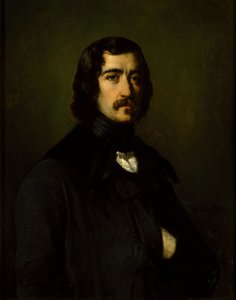
philippe auguste cazier-charpentier
1813 - 1880 , France
Quick Facts
- Artistic Movement Or Style: Portraiture Art
- Artists Who Influenced This Artist:
- Jean-Auguste-Dominique Ingres
- François Gérard
- Date Of Birth: 1813 Paris France
- Date Of Death: 1880
- Full Name: Philippe Auguste Cazier-Charpentier
- Nationality: French
- Notable Artworks:
- Courtisane
- Pâtre italien
- Porträt von Joseph Lyard
- Place Of Birth: Paris France