

 Preview
 Send
Send Share
Share
 Details

 Download
 Similars
 X-Ray
X-Ray Diaporama
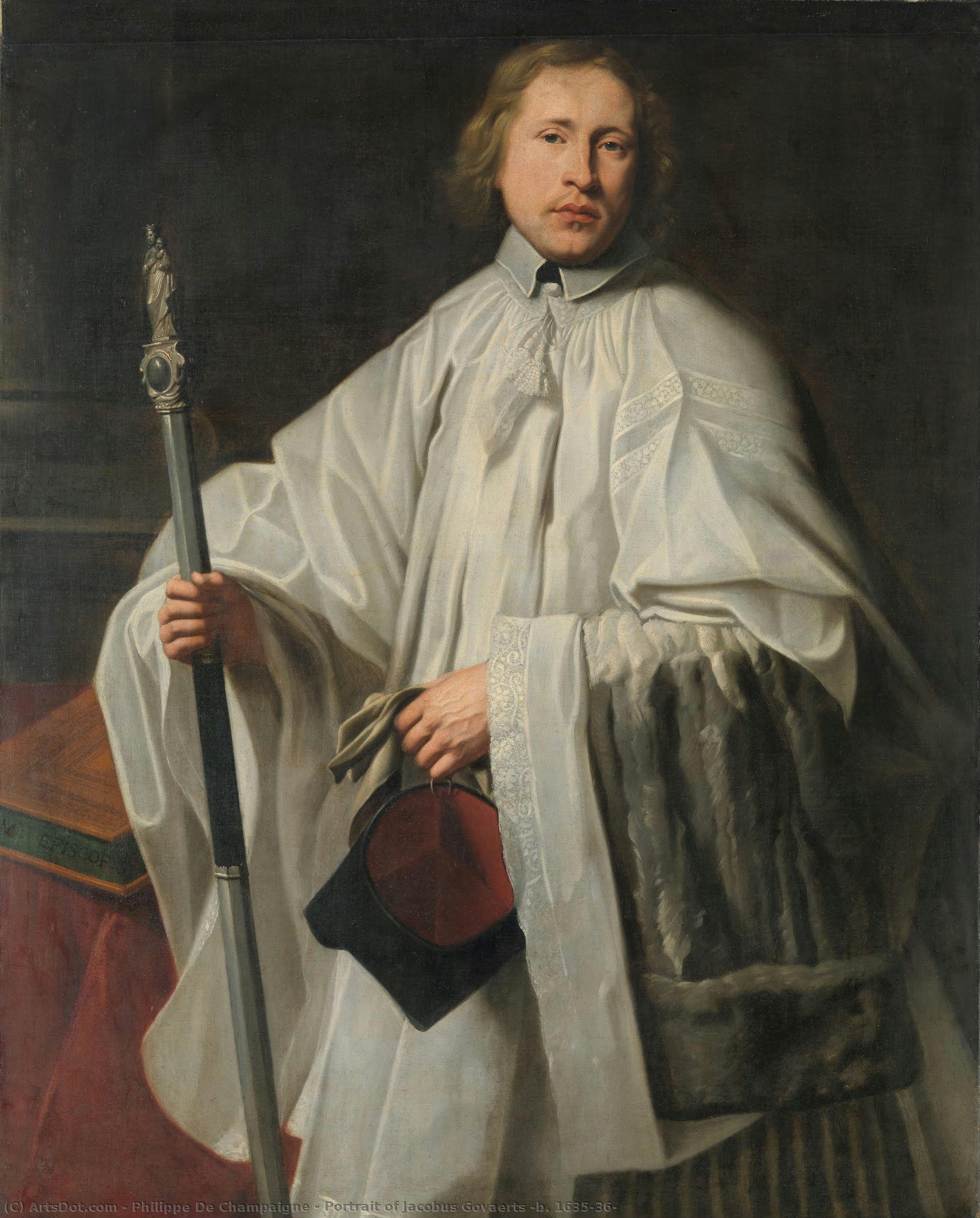
Portrait of Jacobus Govaerts (b. 1635/36)
 Oil On Canvas
- WallArt
- Baroque
 1665
1665 135.0 x 108.0 cm
 Mauritshuis
 Read More
Purchase a high-resolution, enhanced digital image, far superior to the online preview.
Each file is meticulously prepared by our in-house specialists using advanced tools and expert manual retouching. We ensure every image has exceptional clarity, precise color accuracy, and fine detail.
The final file is delivered via email within 72 hours, optimized for immediate use in professional, editorial, and print environments. This is the same quality trusted by top-tier design studios, publishers, and galleries.
Digital Image
Download a high-resolution file for personal display, printing, and creative projects. ( Buy Print Buy Hand Made Painting)
Included in Every Digital Image Order
Expert Digital Delivery, Guaranteed
When you choose ArtsDot.com, you're not just getting an image - you're receiving a professionally enhanced digital artwork, crafted with precision and backed by a satisfaction guarantee. Here's everything that comes with your order, automatically:

Fast Email Delivery
Your high-resolution digital image file will be emailed to you within 72 hours of ordering - ready for immediate use.

AI-Enhanced Digital File
Your artwork is professionally optimized using advanced AI tools and manual editing, ensuring maximum detail, clarity, and color accuracy.

Free Lifetime Re-Delivery
Accidentally deleted or lost your file? No worries - we'll resend it to you anytime, free of charge.

No Import Fees - Ever
Enjoy your artwork instantly with zero customs, duties, or delivery fees - digital downloads are always tax-free.

Color Accuracy Guarantee
We ensure your digital image reflects the original colors as closely as possible using professional tools and color management.

60-Day Satisfaction Guarantee
If you're not satisfied with your digital image, we'll revise it or refund 100% within 60 days - no questions asked.

100% Money-Back Guarantee
Not satisfied? Get a full refund within 60 days of receiving your digital file - no questions asked.

Bulk Order Discounts
Buy 3 images, save 10% - Buy 5, save 15% - Buy 10+, save 20%. Great for creative projects, galleries, and agencies.
Collectible Description
A Portrait of Dignified Authority: Philippe de Champaigne’s Jacobus Govaerts
Philippe de Champaigne's "Portrait of Jacobus Govaerts," painted in 1665, is more than a simple likeness; it’s a carefully constructed tableau of religious authority and Renaissance ideals. This oil on canvas work, measuring a substantial 135 x 108 cm, offers a glimpse into the life of a prominent clergyman – Jacobus Govaerts, born in Brussels around 1635 – rendered with the meticulous detail characteristic of the Baroque period. The painting immediately draws the eye to its subject, presented from the waist up against a backdrop of deep, almost impenetrable brown, a choice that dramatically elevates his presence and emphasizes his importance.
Champaigne’s style is firmly rooted in the principles of classical realism, yet infused with the dramatic lighting and emotional intensity associated with Baroque art. He masterfully employs chiaroscuro – the skillful manipulation of light and shadow – to sculpt Govaerts' face, highlighting the lines of his brow and mouth, conveying a sense of solemn contemplation. The artist’s attention to texture is remarkable; one can almost feel the weight of the ecclesiastical robes, the smoothness of the polished leather belt, and the delicate weave of the hat. The brushwork itself is remarkably controlled, suggesting years of dedicated practice and a deep understanding of oil painting techniques – layering pigments with precision and blending them seamlessly to achieve a luminous quality.
Symbolism of Office and Faith
Beyond its technical brilliance, “Portrait of Jacobus Govaerts” is rich in symbolic meaning. The clergyman’s attire—the richly embroidered robes, the elaborate hat, and the staff he holds – are all potent symbols of his position within the Church. The staff itself, a traditional emblem of authority and guidance, reinforces his role as a spiritual leader. The somber colors and serious expression further contribute to this sense of gravitas, suggesting a man deeply committed to his faith and dedicated to serving his community. It’s a visual representation of piety and responsibility, reflecting the societal values of 17th-century Europe.
A Window into the Artist's World
Philippe de Champaigne (1602-1674) was a significant figure in the French Baroque art scene, though his early training occurred outside France. Initially apprenticed to Jacques Fouquieres, a landscape painter, he later found himself under the tutelage of Nicolas Poussin at the Palais du Luxembourg. This formative period instilled within him a deep appreciation for composition and draftsmanship – elements that are clearly evident in “Portrait of Jacobus Govaerts.” The painting’s meticulous detail and balanced arrangement demonstrate Champaigne's ability to synthesize classical influences with Baroque dynamism, creating an image that is both elegant and powerfully expressive.
Collecting the Essence: Reproduction and Beyond
Reproductions of this captivating portrait offer a remarkable opportunity to bring the grandeur of the Baroque era into your home or office. The original’s dramatic lighting and carefully rendered textures are faithfully recreated, allowing you to appreciate Champaigne's artistry on a new level. Whether seeking an authentic piece of art history or a stunning decorative element, a high-quality reproduction of “Portrait of Jacobus Govaerts” is sure to be a conversation starter – a testament to the enduring power of portraiture and the skill of one of France’s most accomplished Baroque artists.
Related Artworks

Artist Biography
A Life Etched in Light and Shadow
Philippe de Champaigne, born in Brussels in 1602, emerged as a pivotal figure within the French Baroque landscape, though his origins lay outside the kingdom’s borders. His journey began not amidst privilege, but within a modest family, where an early artistic inclination was nurtured by initial studies under Jacques Fouquieres, a landscape painter who provided foundational skills. This grounding proved crucial when, in 1621, the young artist ventured to Paris – a city poised to become both his adopted home and the canvas for his burgeoning talent. There, he apprenticed with Nicolas Poussin, an encounter that indelibly shaped his understanding of composition and draftsmanship. The Palais du Luxembourg became an early proving ground, as de Champaigne contributed to its decoration under Nicolas Duchesne, a formative experience that set the course for his artistic trajectory. It was a period of absorbing influences, laying the groundwork for a style that would eventually blend Baroque drama with a uniquely French sensibility.The Brushstrokes of Power and Piety
De Champaigne’s name became synonymous with both religious painting and portraiture – twin pillars reflecting the dominant currents of his era. His canvases weren't merely depictions; they were statements, imbued with emotional intensity and a masterful command of chiaroscuro, that dramatic interplay of light and shadow which defined Baroque aesthetics. Works like Saint Jerome in the Wilderness, Portrait of Omer Talon, and Moses Holding the Tablets of the Law stand as testaments to his skill, each brushstroke revealing a profound understanding of human form and spiritual weight. He wasn’t confined to smaller works either; numerous paintings for Notre Dame Cathedral showcased his ability to conceive and execute large-scale compositions with intricate detail. However, it was his series of portraits of Cardinal Richelieu that cemented his place in history. Eleven distinct portrayals of the powerful statesman – each capturing a different facet of his authority – were commissioned, reflecting not only de Champaigne’s artistic prowess but also a close relationship with one of France's most influential figures. These weren’t simply likenesses; they were carefully constructed images designed to project power and control.A Founding Father of French Art
De Champaigne wasn’t merely a painter; he was an architect of the French art world itself. As a founding member of the Académie royale de peinture et de sculpture, he played a vital role in formalizing artistic training and establishing standards of excellence within the Kingdom. This institution became the cornerstone of French artistic identity, fostering a distinctive style that balanced Baroque dynamism with classical restraint – a blend to which de Champaigne significantly contributed. His influence extended far beyond his own lifetime, paving the way for subsequent generations of French artists who would build upon the foundations he helped lay. Today, his works grace prestigious museums worldwide, including the Louvre and Notre Dame Cathedral, ensuring his legacy continues to inspire awe and admiration. The impact of his dedication to artistic rigor is still felt in art education today.Evolving Visions and Spiritual Depths
Throughout his career, de Champaigne’s style underwent a subtle yet significant evolution. His later works reveal an increasing somberness and introspection, particularly evident in his religious paintings. Biblical scenes were no longer simply narratives; they became vehicles for profound spiritual contemplation, imbued with a sense of quiet reverence. This shift was partly influenced by the theological currents of Jansenism – a Catholic movement emphasizing divine grace and human depravity – which found expression in the mood and subject matter of some of his most compelling pieces. He explored themes of humility, sacrifice, and the search for redemption, creating images that resonated with a growing sense of religious fervor within French society. Even within his portraits, a new level of psychological depth emerged, revealing not just outward appearances but also the inner lives of his subjects. The artistic journey of Philippe de Champaigne was one of continuous refinement, culminating in works that spoke to both the intellect and the soul. His son, Jean-Baptiste de Champaigne, followed in his footsteps as a painter, continuing the family’s commitment to artistic pursuits and ensuring the continuation of their creative legacy.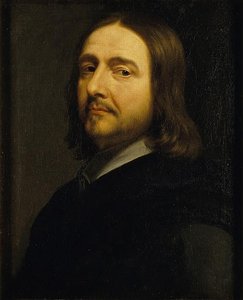
Philippe de Champaigne
1602 - 1674 , Netherlands
Quick Facts
- Artistic Movement Or Style: Baroque
- Artists Or Movements Influenced By This Artist: ['French School']
- Artists Who Influenced This Artist: ['Nicolas Poussin']
- Date Of Birth: 1602
- Date Of Death: 1674
- Full Name: Philippe de Champaigne
- Nationality: French
- Notable Artworks:
- Saint Jerome in the Wilderness
- Portrait of Omer Talon
- Moses Holding the Tablets
- Cardinal Richelieu
- Ex Voto
- Annunciation
- Place Of Birth: Brussels, Netherlands

