 Preview
 Send
Send Share
Share
 Details

 Download
 Similars
 X-Ray
X-Ray Diaporama
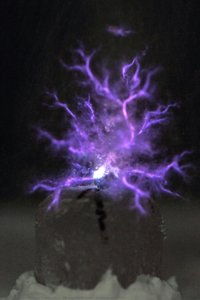
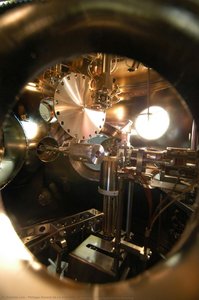
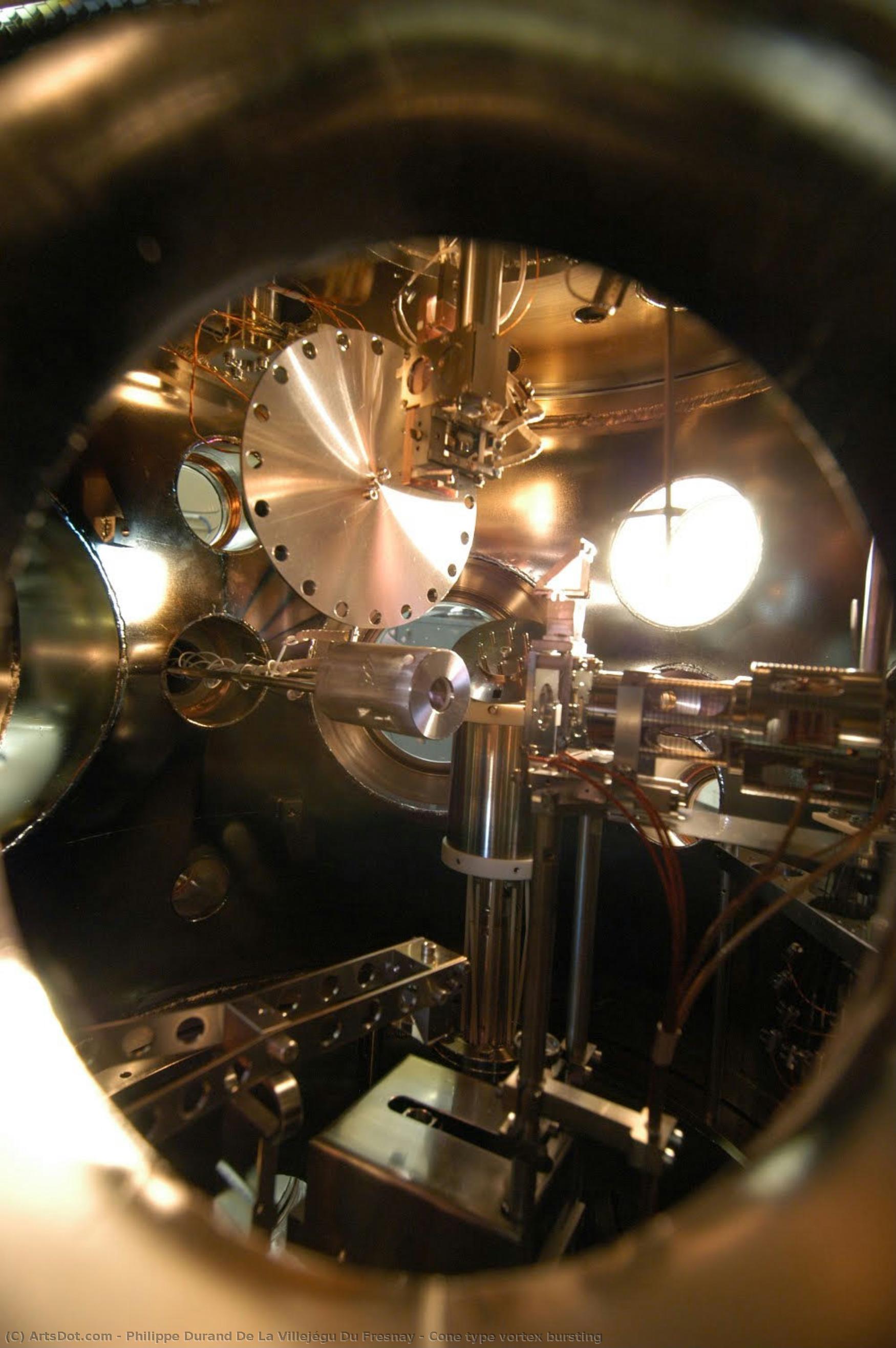
Cone type vortex bursting

 Read More
Giclée / Art Print
Museum-quality giclée or canvas print with fast production and flexible finish options. ( Buy Hand Made Painting Buy Image)




































Pick from our preset sizes that match the artwork's original proportions.

You may enter your own dimensions to fit a specific frame or space. If your selected size does not match the original image's proportions, we will either crop the artwork or extend the image with a mirrored or solid-fill edge. A digital mockup will be sent for your approval before production begins.
Please note that the on-screen preview does not reflect the actual cropping or extension. Only the mockup will accurately show the final composition.
While custom sizes are available, we recommend selecting a dimension from the predefined list to preserve the original proportions.
Worldwide Delivery () in 2 weeks instead of standard 4/5 weeks. (25 August)

Free Worldwide Express Shipping

High-Quality Linen Canvas

Full Shipping Insurance

Customs Tax Refund Guarantee

True Color Matching Guarantee

60-Day Return Policy (Defects Only)

100% Money-Back Guarantee

Bulk Discount Offer
 Glass option is only available in size under 110 CM

Cone type vortex bursting
Giclée / Art Print
Reproduction Size
-


Total Price
$ 63
Related Artworks






Artist Biography
A Cartographer of the Everyday: The Institutional Photography of Philippe Durand de la Villejégu du Fresnay
Philippe Durand de la Villejégu du Fresnay, often working under the pseudonym Philippe Lavil, is a French artist whose work quietly challenges our perceptions of space and belonging. Born in Fort-de-France, Martinique, in 1947, his artistic journey has been one of subtle observation, meticulously documenting the interplay between institutional structures and the human experience within them. While perhaps best known to some for his musical career – a fascinating parallel path exploring Creole identity through song – it is his photographic work that reveals the core of Durand’s artistic vision: an exploration of how environments shape us, and conversely, how we subtly reshape those environments in return. He isn't interested in grand vistas or iconic landmarks; instead, he focuses on the overlooked details, the vernacular traces left upon the surfaces of modern life.Early Influences and Artistic Development
Durand’s formative years in Martinique undoubtedly instilled a sensitivity to cultural hybridity and the complexities of post-colonial landscapes. This early exposure seems to have fostered an interest in how spaces carry historical weight, becoming repositories of memory and identity. His formal training as a visual arts teacher further honed his observational skills, providing him with a framework for analyzing the visual language surrounding us. The 1980s marked a pivotal period in Durand’s artistic development, as he began to actively engage with institutional photography – a practice that would become his signature style. This wasn't about creating polished promotional images; rather, it was an attempt to capture the *atmosphere* of institutions, their inherent contradictions and the often-unseen stories embedded within their walls. He draws inspiration from figures like Walter Benjamin, whose writings on urban landscapes and the dialectical image resonate deeply with Durand’s own approach. Ralph Rumney's psycho-geographic analyses also provided a conceptual framework for understanding how spaces can be read as maps of social and psychological forces.The Dialectics of Observation: A Unique Photographic Approach
Durand’s photographs are not simply records of places; they are carefully constructed interventions, prompting viewers to question their assumptions about the environments they inhabit. He resists the urge to impose a narrative, instead presenting images that are open-ended and ambiguous. A key element of his technique is a playful attention to detail – an almost ethnographic focus on “insignificant, unstable things,” as one critic described it. Graffiti scrawled on a window, vegetation encroaching upon concrete, the unexpected juxtaposition of objects: these seemingly minor details become powerful symbols of individual agency and resistance against standardization. His work shares affinities with artists like Gabriel Orozco, who similarly find beauty and meaning in the overlooked fragments of everyday life. Durand’s photographs often possess a sculptural quality, treating the real world as a readymade composition waiting to be discovered. He doesn't seek to *decode* reality but rather to *recode* it through his unique perceptual lens.Major Themes and Artistic Achievements
Throughout his career, Durand has consistently explored themes of institutional power, cultural memory, and the individual’s relationship to space. His photographs often reveal the tensions between order and chaos, control and freedom. He captures moments where the rigid structures of institutions are subtly undermined by human presence – a trace of graffiti, a patch of wildflowers growing through a crack in the pavement. His work has been exhibited at prestigious institutions such as the Centre Pompidou in Paris, solidifying his reputation as a significant voice in contemporary French photography. While he avoids overt political statements, his photographs implicitly critique the homogenizing forces of modern urban planning and celebrate the resilience of vernacular culture. The series “Cone type vortex bursting” and “A plasma in water”, showcase his ability to find beauty and complexity in scientific phenomena, translating abstract concepts into visually arresting images.Historical Significance and Lasting Legacy
Philippe Durand de la Villejégu du Fresnay’s work occupies a unique position within the landscape of contemporary art. He is not easily categorized – blending elements of documentary photography, ethnography, and conceptual art. His lasting legacy lies in his ability to challenge our perceptions of space and belonging, prompting us to look more closely at the environments we inhabit. He reminds us that even the most seemingly mundane spaces are imbued with history, memory, and individual agency. By focusing on the overlooked details and subtle contradictions of everyday life, Durand offers a powerful commentary on the complexities of modern existence. His work continues to inspire artists and viewers alike, encouraging a more critical and nuanced understanding of the world around us.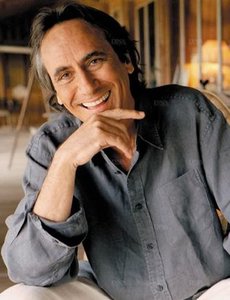
philippe durand de la villejégu du fresnay
1954 - , France
Quick Facts
- Artistic Movement Or Style: Institutional Photography
- Date Of Birth: September 26, 1947
- Full Name: Philippe Durand de la Villejégu du Fresnay
- Nationality: French
- Notable Artworks:
- Cone type vortex bursting
- A plasma in water
- Place Of Birth: Fort-de-France, Martinique