 Preview
 Send
Send Share
Share
 Details

 Download
 Similars
 X-Ray
X-Ray Diaporama
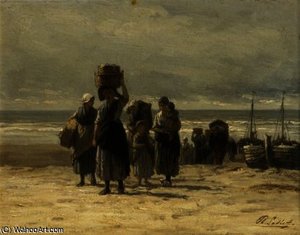
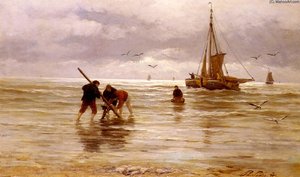
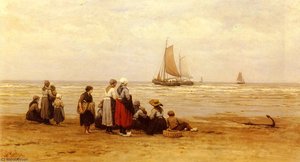
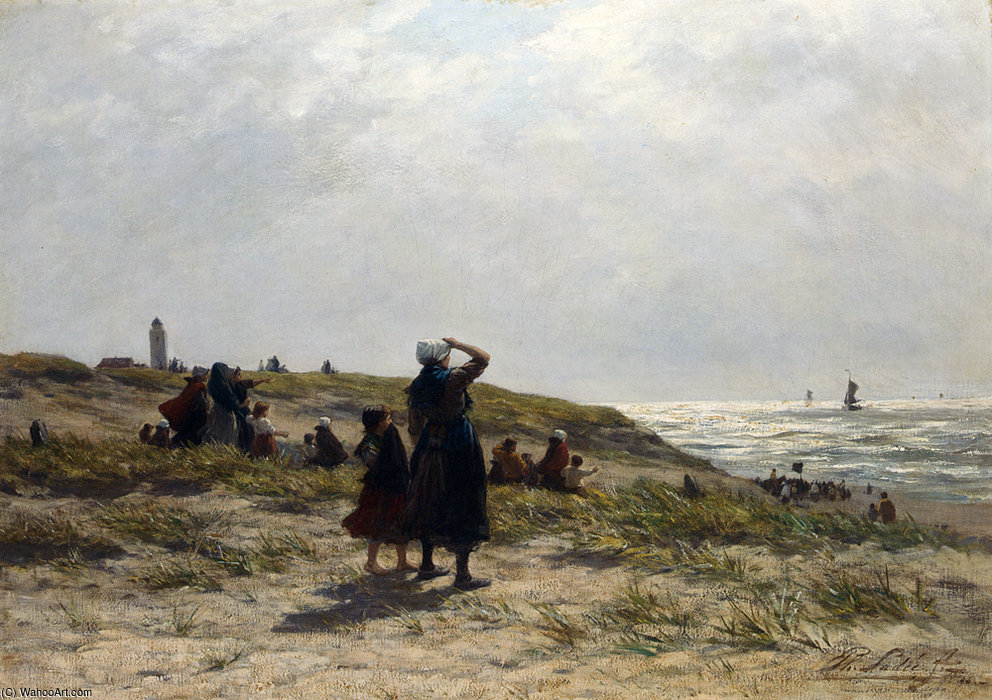
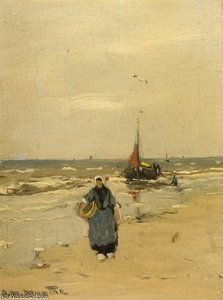
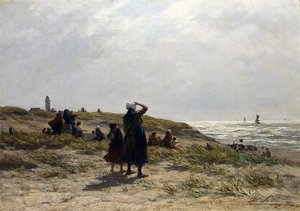
Philip lodewijk jacob frederik the return of the fishing fleet katwijk
 Read More
Hand Made Oil Reproduction
Hand-painted oil on canvas in your size and frame, made to order by our artists. ( Buy Print Buy Image)




































Pick from our preset sizes that match the artwork's original proportions.

You may enter your own dimensions to fit a specific frame or space. If your selected size does not match the original image's proportions, we will either crop the artwork or extend the painting with additional hand-painted elements. A digital mockup will be sent for your approval before production begins.
Please note that the on-screen preview does not reflect the actual cropping or extension. Only the mockup will accurately show the final composition.
While custom sizes are available, we recommend selecting a dimension from the predefined list to preserve the original proportions.
After order, ArtsDot.com team will email client for instructions and provide a mockup preview
Worldwide Delivery () in 3/4 weeks instead of standard 5 weeks. (17 August). No compromise on quality.

Free Worldwide Express Shipping

High-Quality Linen Canvas

Full Shipping Insurance

Customs Tax Refund Guarantee

True Color Matching Guarantee

60-Day Return Policy (Defects Only)

100% Money-Back Guarantee

Bulk Discount Offer
 Glass option is only available in size under 110 CM

Philip lodewijk jacob frederik the return of the fishing fleet katwijk
Reproduction Medium
Reproduction Size
-


Total Price
$ 263
Related Artworks
Artist Biography
A Life Immersed in Light: The World of Philippe Lodewijk Jacob Sadee
Philippe Lodewijk Jacob Frederik Sadée, born in The Hague on February 7th, 1837, was a painter deeply connected to the Dutch landscape and the lives unfolding along its shores. His career spanned much of the 19th century, a period marked by significant shifts in artistic sensibilities, yet Sadee remained steadfastly devoted to capturing scenes of everyday life with a vibrant palette and meticulous detail. While not necessarily a revolutionary figure, his work offers a compelling glimpse into the social fabric of the Netherlands during this era, imbued with a sense of warmth and quiet observation. He passed away on December 14th, 1904, leaving behind a legacy of paintings that continue to resonate for their skillful execution and evocative atmosphere.Early Training and Artistic Foundations
Sadee’s artistic journey began at the relatively late age of twenty, suggesting perhaps a more deliberate path into painting than some of his contemporaries. He received formal instruction at the Royal Academy of Art in The Hague, studying under J.E.J. van den Berg. This foundational training provided him with a solid grounding in technique and composition. However, it was a subsequent period spent in Düsseldorf, alongside fellow artist Julius Jacobus van de Sande Bakhuyzen, that proved particularly influential. There, he encountered the work of Albert Kindler, whose emphasis on clean lines and precise rendering left an indelible mark on Sadee’s developing style. Initially, his subject matter leaned towards biblical and historical scenes, but a gradual shift occurred as he became increasingly captivated by the lives of those around him – specifically, the fishermen and coastal communities near Scheveningen. This transition reflects a growing interest in Realism, though tempered with a romantic sensibility that would become characteristic of his mature work.The Hague School and Scenes of Daily Life
Sadee is often associated with the Hague School, a group of Dutch artists who rejected the highly polished academic style prevalent at the time, favoring instead depictions of everyday life rendered in a more naturalistic manner. However, Sadee’s connection to the school wasn't one of strict adherence; he developed his own distinct voice within this broader movement. His paintings are characterized by their bright, luminous colors and meticulous attention to detail – qualities that set him apart from some of his more somber-toned peers. He found endless inspiration in the coastal scenes near The Hague, portraying fishermen mending nets, boats returning with the day’s catch, and families enjoying moments of leisure on the beach. These weren't merely documentary depictions; Sadee imbued them with a sense of warmth, dignity, and quiet beauty. His work often romanticized these scenes, presenting an idealized vision of rural life that appealed to a growing middle-class audience eager for images reflecting stability and contentment.Travels and Expanding Horizons
Despite his deep connection to The Hague, Sadee wasn’t confined to the Dutch coastline throughout his career. He undertook several journeys throughout Europe, visiting Belgium, Germany, Italy, and France. These travels undoubtedly broadened his artistic horizons, exposing him to different landscapes, cultures, and artistic traditions. While the precise impact of these experiences on his work is difficult to pinpoint definitively, it’s likely they contributed to his evolving understanding of light, color, and composition. He continued to exhibit regularly throughout the Netherlands – in Amsterdam, Rotterdam, and The Hague – gaining recognition for his skillful paintings and establishing a loyal following. His election to the Arte et Amicitiae in Amsterdam further solidified his position within the Dutch art world.Legacy and Historical Significance
Philippe Lodewijk Jacob Sadee’s work may not be as widely recognized today as that of some of his more avant-garde contemporaries, but it holds a significant place in the history of 19th-century Dutch painting. He was a dedicated teacher, passing on his knowledge and skills to students like Hendrikus M. Horrix at the Academy in The Hague. His paintings can be found in numerous museums throughout the Netherlands – including the Rijksmuseum, Stedelijk Museum Amsterdam, and Kröller-Müller Museum – testament to their enduring appeal.- His ability to capture the subtle nuances of light and atmosphere remains particularly impressive.
- He offered a compelling vision of Dutch life during a period of rapid social change.
- His paintings continue to provide valuable insights into the lives and customs of coastal communities in the Netherlands.
philippe lodowyck jacob sadee
1837 - 1904 , Netherlands
Quick Facts
- Artistic Movement Or Style: Hague School
- Artists Or Movements Influenced By This Artist: ['Israëls']
- Artists Who Influenced This Artist: ['Jacobus van den Berg']
- Date Of Birth: February 7, 1837
- Date Of Death: December 14, 1904
- Full Name: Philip Lodewijk Jacob Frederik Sadée
- Nationality: Dutch
- Notable Artworks:
- Schevening Women
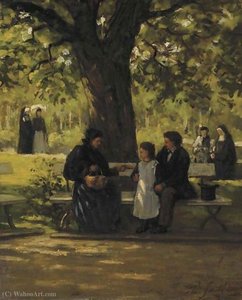
- On a park bench
- The Return of the Fishing Fleet Katwijk
- Place Of Birth: The Hague, Netherlands