

 Preview
 Send
Send Share
Share
 Details

 Download
 Similars
 X-Ray
X-Ray Diaporama
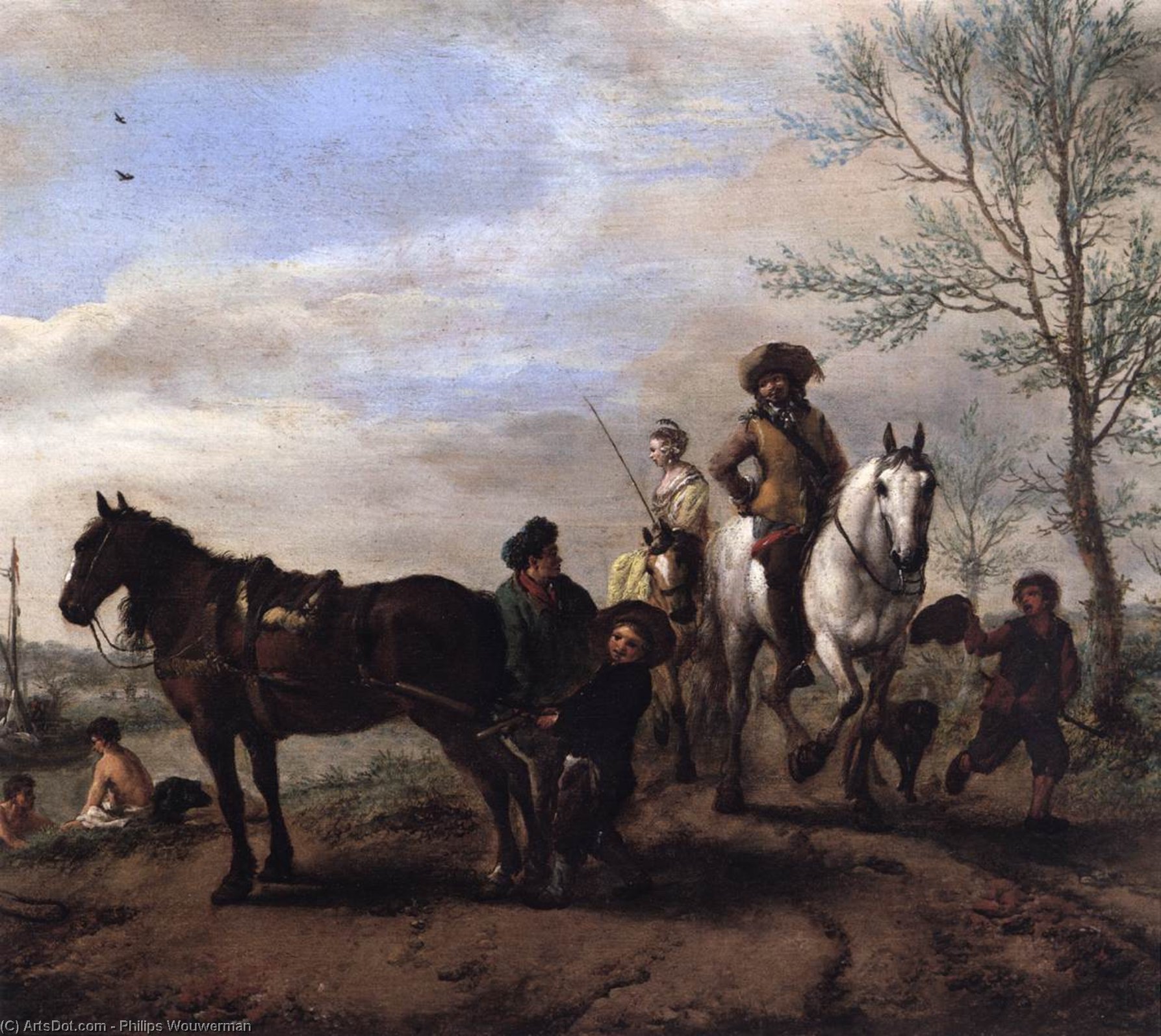
A Man and a Woman on Horseback (detail)


 Read More
Purchase a high-resolution, enhanced digital image, far superior to the online preview.
Each file is meticulously prepared by our in-house specialists using advanced tools and expert manual retouching. We ensure every image has exceptional clarity, precise color accuracy, and fine detail.
The final file is delivered via email within 72 hours, optimized for immediate use in professional, editorial, and print environments. This is the same quality trusted by top-tier design studios, publishers, and galleries.
Digital Image
Download a high-resolution file for personal display, printing, and creative projects. ( Buy Print Buy Hand Made Painting)
Included in Every Digital Image Order
Expert Digital Delivery, Guaranteed
When you choose ArtsDot.com, you're not just getting an image - you're receiving a professionally enhanced digital artwork, crafted with precision and backed by a satisfaction guarantee. Here's everything that comes with your order, automatically:

Fast Email Delivery
Your high-resolution digital image file will be emailed to you within 72 hours of ordering - ready for immediate use.

AI-Enhanced Digital File
Your artwork is professionally optimized using advanced AI tools and manual editing, ensuring maximum detail, clarity, and color accuracy.

Free Lifetime Re-Delivery
Accidentally deleted or lost your file? No worries - we'll resend it to you anytime, free of charge.

No Import Fees - Ever
Enjoy your artwork instantly with zero customs, duties, or delivery fees - digital downloads are always tax-free.

Color Accuracy Guarantee
We ensure your digital image reflects the original colors as closely as possible using professional tools and color management.

60-Day Satisfaction Guarantee
If you're not satisfied with your digital image, we'll revise it or refund 100% within 60 days - no questions asked.

100% Money-Back Guarantee
Not satisfied? Get a full refund within 60 days of receiving your digital file - no questions asked.

Bulk Order Discounts
Buy 3 images, save 10% - Buy 5, save 15% - Buy 10+, save 20%. Great for creative projects, galleries, and agencies.
A Journey Through the Dutch Golden Age Landscape
To gaze upon this detail from A Man and a Woman on Horseback is to step directly into the vibrant, yet quietly reflective, heart of 17th-century Dutch life. It is more than just a depiction of travelers along a dusty road; it is a meticulously composed meditation on movement, community, and the enduring rhythm of commerce that once defined this remarkable nation. The scene unfolds with an almost documentary precision, characteristic of the era's fascination with capturing the quotidian moment. One can almost hear the clip-clop of hooves echoing across the open ground, smell the scent of damp earth mingling with distant woodsmoke, and feel the gentle breeze carrying whispers from the nearby fields.
Mastery in Light and Earth Tones
The technical brilliance evident here speaks volumes about the skill of Philips Wouwerman. His handling of light is masterful; it is a diffused, overcast illumination that bathes the entire tableau in a soft, even glow. This lack of harsh sunlight allows the artist to concentrate on texture—the rough weave of clothing, the sheen on the white horse's coat, and the varied tones of the distant foliage. The palette itself is deeply resonant, dominated by muted earth tones—ochres, deep siennas, and dusty greens—punctuated only by strategic bursts of color in the figures’ garments. This sophisticated use of color anchors the piece in a sense of timeless realism, making it an immediate focal point for any richly decorated interior.
The Symbolism of Passage and Connection
Symbolically, this artwork speaks to the very essence of human endeavor: passage. The road itself acts as a powerful leading line, drawing the viewer's eye deep into the composition toward the horizon where the distant ship waits—a potent symbol of journeys undertaken, both literal and metaphorical. The grouping of figures—the man on horseback guiding the woman, the others pausing to rest or tend their goods—celebrates human connection within the vastness of nature. It suggests that even amidst the grand sweep of history or the solitude of travel, humanity finds its strength in shared experience and mutual reliance.
A Reproduction for Modern Reverence
For those seeking to bring the quiet grandeur of Dutch Realism into a contemporary space, this reproduction offers an unparalleled opportunity. Wouwerman’s style, rooted in meticulous observation and narrative depth, translates beautifully across mediums. Owning a piece inspired by this work is not merely decorating; it is curating a moment of historical contemplation. It invites the viewer to slow down, to observe the details—the way the light catches a discarded bundle, or the subtle interaction between two figures—and reconnect with the enduring beauty found in everyday life.
Related Artworks

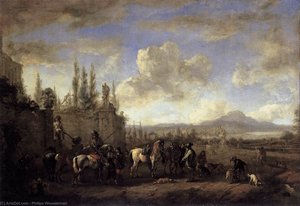
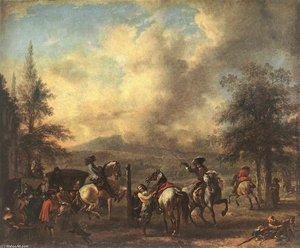
Artist Biography
Philips Wouwerman: A Life in the Dutch Golden Age
- Born: Haarlem, Netherlands (1619)
- Died: 1668
Philips Wouwerman (baptized May 24, 1619 – died May 19, 1668) was a highly prolific and versatile Dutch painter renowned for his depictions of hunting scenes, landscapes, and battle scenes. He stands as a significant figure within the artistic landscape of the Dutch Golden Age.
Early Life and Training
Born in Haarlem, Netherlands, Philips Wouwerman was the son of Pouwels Joostsz Wouwerman, also a painter, though less known than his son. Details regarding his early artistic training are somewhat scarce. However, it is believed that he studied under Frans Hals (1581/85–1666), a prominent Haarlem portraitist. While Hals’s distinctive style did not heavily influence Wouwerman's mature work, the foundational training likely proved invaluable. Early in his career, Wouwerman was influenced by the *bamboccianti* tradition, particularly the works of Pieter van Laer (1592/99–after 1642), adopting their focus on everyday life and genre scenes.
Artistic Development and Style
- Early Influences: Initially emulating *bamboccianti* painters, Wouwerman’s early works featured depictions of daily life.
- Emerging Style (Mid-1640s): A characteristic compositional element emerged – a diagonal slope of land often accompanied by a tree acting as a repoussoir (a device used to create depth). Figures, frequently accompanied by horses, populated these scenes.
- Mature Period (c. 1650-1660): Wouwerman developed his individual style, expanding his subject matter considerably. He painted genre scenes, landscapes with travelers, cavalry battles, military encampments, and festive gatherings of peasants.
- Mastery of the Horse: Wouwerman is particularly celebrated for his exceptional skill in depicting horses of various breeds in dynamic motion. Art historian Frederik J. Duparc has famously called him "undoubtedly the most accomplished and successful 17th-century Dutch painter of horses."
- Characteristic Features: His paintings are characterized by subdued colors, a cool atmosphere, and meticulous attention to detail, creating witty and anecdotal narratives within his scenes. He often combined imaginary southern landscapes with a distinctly Dutch ambiance.
Major Achievements and Legacy
Wouwerman’s works were highly sought after during his lifetime and continued to gain popularity in the 18th century. His paintings found their way into prominent collections across Europe, including those of princely houses in Dresden and St. Petersburg, demonstrating widespread admiration for his artistry.
- Prolific Output: Wouwerman was remarkably prolific; early catalogues listed around 800 works attributed to him, later exceeding 1200. A more recent catalogue raisonné (Schumacher, 2006) identifies approximately 570 authentic works, acknowledging the numerous followers and imitators who produced works in his style.
- Family of Artists: His brothers, Jan (1629–1666) and Pieter (1623–1682), were also painters, often initially attributed to Philips. While Pieter’s work clearly reflected Philips' influence, he developed a distinct style. Jan was recognized as a more autonomous landscape painter.
- Influence on Later Artists: Wouwerman’s style influenced numerous artists, including Jan van Huchtenburgh (1647–1733), the brothers Jan Frans and Joseph van Bredael (1688–1739), and Carel van Falens (1683–1733).
- Guild Membership & Civic Role: He was a member of the Haarlem Guild of St. Luke, holding several official positions within it. Beyond his artistic pursuits, Wouwerman also served as an estate agent in Haarlem, reflecting his involvement in civic life.
Historical Significance
Philips Wouwerman’s contribution to the Dutch Golden Age lies in his ability to capture a wide range of scenes – from bustling marketplaces and hunting expeditions to dramatic battlefields and tranquil landscapes – with remarkable detail and dynamism. His mastery of depicting horses, combined with his keen eye for anecdotal storytelling, solidified his place as one of the most celebrated and influential painters of his time. A retrospective exhibition in Kassel and The Hague (2009/2010) further highlighted his enduring legacy.
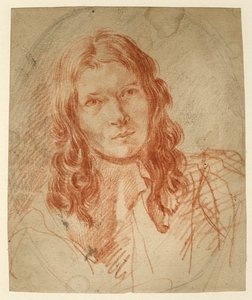
Philips Wouwerman
1619 - 1668 , Netherlands
Quick Facts
- Artistic Movement Or Style: Dutch Golden Age
- Artists Or Movements Influenced By This Artist:
- Jan van Huchtenburgh
- Joseph van Bredael
- Carel van Falens
- Artists Who Influenced This Artist:
- Pieter van Laer
- Frans Hals
- Jan Wijnants
- Date Of Birth: May 24, 1619
- Date Of Death: May 19, 1668
- Full Name: Philips Wouwerman
- Nationality: Dutch
- Notable Artworks:
- Two Horses
- Two Horsemen at a Gipsy Encampment
- Dune Landscape with a Signal Post
- A Horse Fair near an Army Camp
- Horsepond near a Boundary Stone
- Place Of Birth: Haarlem, Netherlands

