

 Preview
 Send
Send Share
Share
 Details

 Download
 Similars
 X-Ray
X-Ray Diaporama
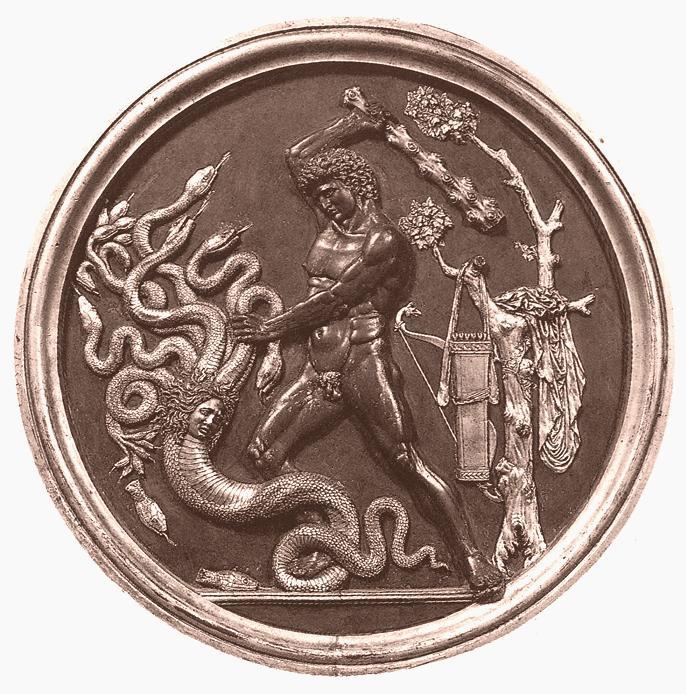
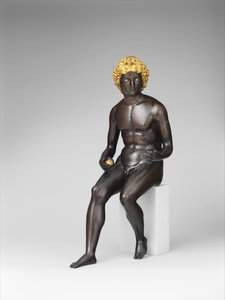
Hercules and the Lernaean Hydra


 Read More
Purchase a high-resolution, enhanced digital image, far superior to the online preview.
Each file is meticulously prepared by our in-house specialists using advanced tools and expert manual retouching. We ensure every image has exceptional clarity, precise color accuracy, and fine detail.
The final file is delivered via email within 72 hours, optimized for immediate use in professional, editorial, and print environments. This is the same quality trusted by top-tier design studios, publishers, and galleries.
Digital Image
Download a high-resolution file for personal display, printing, and creative projects. ( Buy Print Buy Hand Made Painting)
Included in Every Digital Image Order
Expert Digital Delivery, Guaranteed
When you choose ArtsDot.com, you're not just getting an image - you're receiving a professionally enhanced digital artwork, crafted with precision and backed by a satisfaction guarantee. Here's everything that comes with your order, automatically:

Fast Email Delivery
Your high-resolution digital image file will be emailed to you within 72 hours of ordering - ready for immediate use.

AI-Enhanced Digital File
Your artwork is professionally optimized using advanced AI tools and manual editing, ensuring maximum detail, clarity, and color accuracy.

Free Lifetime Re-Delivery
Accidentally deleted or lost your file? No worries - we'll resend it to you anytime, free of charge.

No Import Fees - Ever
Enjoy your artwork instantly with zero customs, duties, or delivery fees - digital downloads are always tax-free.

Color Accuracy Guarantee
We ensure your digital image reflects the original colors as closely as possible using professional tools and color management.

60-Day Satisfaction Guarantee
If you're not satisfied with your digital image, we'll revise it or refund 100% within 60 days - no questions asked.

100% Money-Back Guarantee
Not satisfied? Get a full refund within 60 days of receiving your digital file - no questions asked.

Bulk Order Discounts
Buy 3 images, save 10% - Buy 5, save 15% - Buy 10+, save 20%. Great for creative projects, galleries, and agencies.
Hercules and the Lernaean Hydra: A Testament to Classical Grace
Pier Jacopo Alari Bonacolsi, affectionately known as “l’Antico” – meaning “the Ancient One” – stands as a pivotal figure in the artistic landscape of Renaissance Italy. Born around 1460 in Gazzuolo, Lombardy, he emerged from a milieu steeped in humanist ideals and fueled by an unwavering devotion to classical antiquity, shaping his oeuvre into a testament to Roman sculptural tradition. While biographical details remain scarce, Bonacolsi’s legacy rests firmly upon the monumental marble busts and statuettes that cemented his reputation as one of the era's foremost sculptors. His work embodies the spirit of Neo-Platonism, prioritizing idealized beauty derived from observation of nature—specifically, the human form—and reflecting a profound understanding of philosophical concepts rooted in Greek thought.Subject Matter and Narrative Composition
The artwork depicts Hercules confronting the Lernaean Hydra, a monstrous serpent with multiple heads that posed an insurmountable challenge to the hero’s strength and cunning. This mythological episode served as a powerful metaphor for overcoming adversity and conquering evil—themes central to Renaissance humanist philosophy. Bonacolsi meticulously rendered the scene with dramatic dynamism, capturing the heroic struggle between man and beast. Hercules dominates the composition, wielding his club with resolute determination, while two serpents coil around him, symbolizing the Hydra’s relentless attacks. The inclusion of a bowl and cup adds subtle visual interest, grounding the fantastical narrative in earthly realism—a characteristic feature of Bonacolsi's artistic approach. Furthermore, the birds perched above Hercules represent divine assistance, reinforcing the heroic ideal and highlighting the triumph over darkness.Sculptural Technique: Embracing Roman Idealization
Bonacolsi’s masterful technique exemplifies the “all’antica” style—meaning “in the manner of antiquity”—which dominated Florentine sculpture during his lifetime. He skillfully employed Carrara marble, renowned for its purity and translucency, to achieve an astonishing level of detail and textural nuance. The sculptor painstakingly sculpted every muscle fiber and contour, striving to emulate the idealized forms perfected by Roman sculptors like Michelangelo Buonarroti and Alessandro Filipepi Buonarroti Michelangelo. Bonacolsi’s meticulous attention to anatomical accuracy combined with a deliberate simplification of form—a hallmark of classical sculpture—creates an image that exudes timeless elegance and conveys profound emotional resonance. The surface finish is polished to a luminous sheen, enhancing the marble's inherent beauty and capturing the subtle interplay of light and shadow.Symbolism and Artistic Influence
The Hydra itself represents chaos and evil, demanding unwavering courage and intellect to subdue. Hercules’ victory symbolizes human resilience and moral fortitude—values championed by Renaissance thinkers like Pico della Mirandola who sought to reconcile Christian theology with classical philosophy. Bonacolsi's depiction aligns perfectly with this intellectual climate, demonstrating the artist’s commitment to conveying profound philosophical ideas through visual art. His work profoundly influenced subsequent sculptors, establishing a precedent for portraying mythological narratives with anatomical precision and stylistic refinement—a legacy that continues to inspire artists today.Emotional Impact: Capturing Heroic Virtue
Ultimately, “Hercules and the Lernaean Hydra” transcends mere representation; it embodies the heroic ideal—a cornerstone of Renaissance humanism. Bonacolsi’s sculpture conveys a palpable sense of struggle and triumph, capturing the essence of courage, determination, and moral virtue. The serene beauty of the marble lends an aura of nobility to the scene, inviting contemplation on themes of heroism and overcoming obstacles. It serves as a powerful reminder that even in confronting formidable challenges, human spirit can prevail—a message that resonates powerfully across centuries.Related Artworks



Artist Biography
The Sculptor of Classical Grace: The Life of l'Antico
In the vibrant, intellectual atmosphere of the Italian Renaissance, few names evoke the serene majesty of antiquity as poignantly as Pier Jacopo Alari Bonacolsi. Known to history by his evocative moniker, l’Antico—the Ancient One—this master sculptor dedicated his life to a singular, noble pursuit: the resurrection of the classical spirit through the medium of bronze and marble. Born around 1460 in the quiet town of Gazzuolo, Lombardy, Bonacolsi emerged from a period where the shadows of the Middle Ages were retreating, making way for a profound humanist rebirth. His very identity was inextricably linked to the Roman past, as he sought to bridge the gap between the forgotten grandeur of ancient empires and the burgeoning brilliance of the Renaissance.
While the biographical records of his early years remain somewhat shrouded in the mists of time, the trajectory of his artistic soul is clearly traced through his stylistic evolution. His formative training is believed to have been shaped by a deep connection to the Florentine tradition, specifically through associations that emphasized anatomical precision and the revolutionary approach to the human form pioneered by masters like Michelangelo. This exposure allowed him to move beyond mere imitation, fostering a technique where every muscle, every fold of drapery, and every subtle expression served a higher purpose: the embodiment of all’antica—the style of the ancients.
A Mastery of Form and Roman Idealism
The essence of Bonacolsi’s work lies in its profound devotion to Roman sculptural traditions. Unlike many of his contemporaries who drifted toward the theatrical distortions of Mannerism, l’Antico remained anchored in a pursuit of balance, proportion, and nobility. His workshop became a sanctuary for the study of classical antiquity, where he meticulously analyzed the musculature and serene countenances of unearthed Roman statues to replicate their timeless dignity. This dedication is most vibrantly realized in his bronze works, which often feature exquisite silver-inlaid details that catch the light, lending a lifelike vitality to his subjects.
His repertoire of subjects reflects the humanist obsession with mythology and the heroic ideal. Through his hands, legendary figures were breathed into life once more:
- Eros: A stunning bronze creation from approximately 1490 that showcases his ability to capture delicate classical detail and a sense of eternal youth.
- Hercules and the Lernaean Hydra: A masterful depiction of strength and struggle, where the artist utilizes Roman portraiture techniques to imbue the mythological hero with a palpable, muscular presence.
- Bust of a Youth: An intimate exploration of the human visage, demonstrating his skill in capturing the quiet, contemplative grace characteristic of his style.
Legacy and Historical Significance
The historical significance of Pier Jacopo Alari Bonacolsi extends far beyond the physical objects he left behind. He served as a vital conduit through which the aesthetic values of ancient Greece and Rome were transmitted to the Renaissance world. By prioritizing anatomical accuracy and an idealized serenity, he helped define a visual language that celebrated the inherent dignity of human existence. His work stands as a testament to a period when art was not merely decoration, but a profound philosophical inquiry into the nature of beauty and the continuity of civilization.
Though his life ended in 1528, the legacy of l’Antico remains etched in the bronze and marble of his masterpieces. He remains a pivotal figure for any student of the Renaissance, representing that rare moment in history when the artist became an archaeologist of the soul, unearthing the classical past to illuminate the brilliance of the present. His ability to marry the rugged strength of mythological combat with the refined elegance of Roman portraiture ensures his place as one of the most distinctive voices of the Italian Renaissance.
pier jacopo alari bonacolsi (antico)
1460 - 1528 , Italy
Quick Facts
- Artistic Movement Or Style: All'antica
- Artists Who Influenced This Artist:
- Donatello
- Michelangelo
- Date Of Birth: c. 1460
- Date Of Death: 1528
- Full Name: Pier Jacopo Alari Bonacolsi
- Nationality: Italian
- Notable Artworks:
- Venus Felix
- Meleager
- Place Of Birth: Gazzuolo, Italy

