

 Preview
 Send
Send Share
Share
 Details

 Download
 Similars
 X-Ray
X-Ray Diaporama
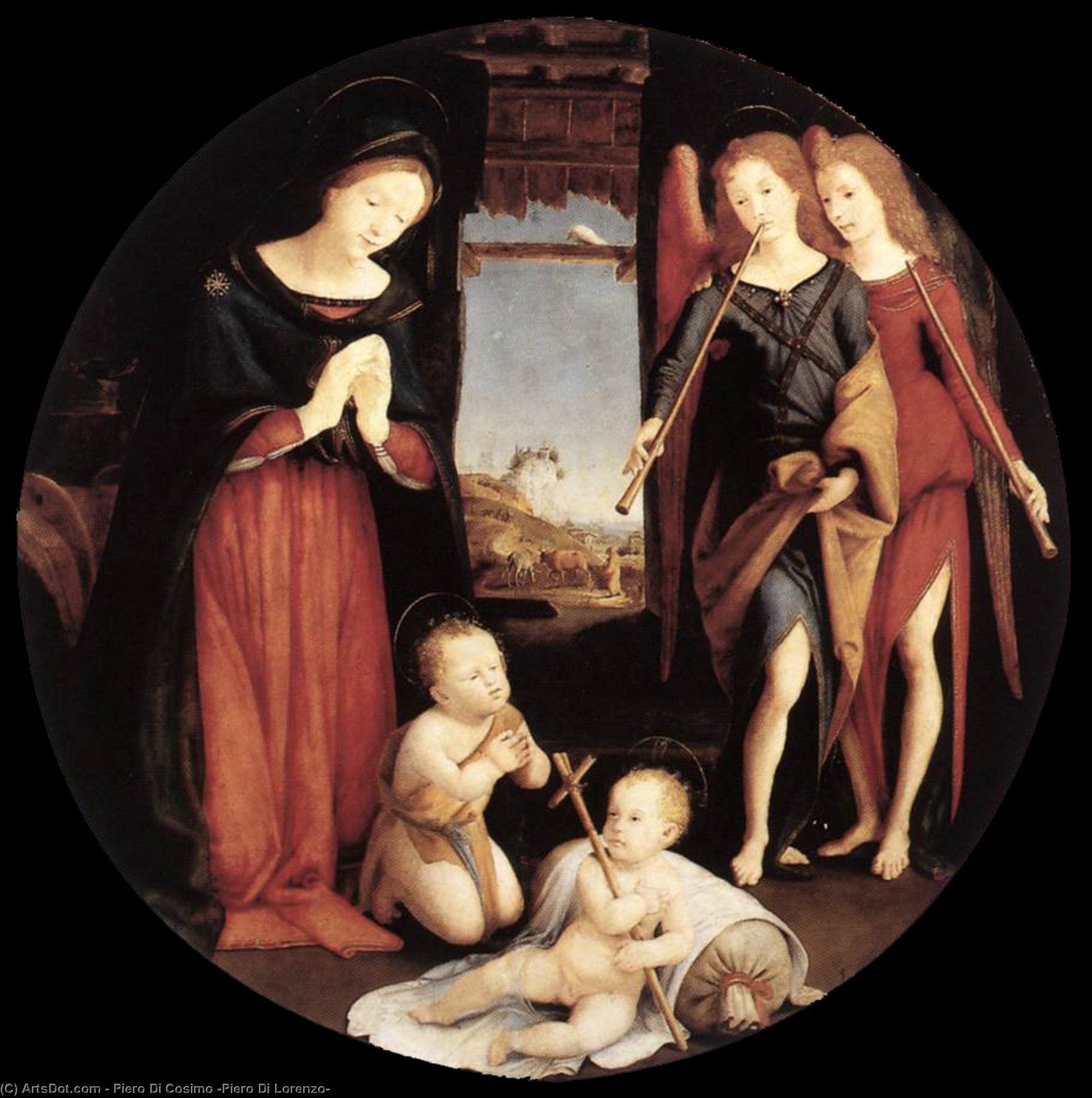
The Adoration of the Christ Child
 Oil On Canvas
- WallArt
- Renaissance Humanist Painting
 1505
1505- Renaissance
 140.0 x 140.0 cm
 Galleria Borghese
 Read More
Purchase a high-resolution, enhanced digital image, far superior to the online preview.
Each file is meticulously prepared by our in-house specialists using advanced tools and expert manual retouching. We ensure every image has exceptional clarity, precise color accuracy, and fine detail.
The final file is delivered via email within 72 hours, optimized for immediate use in professional, editorial, and print environments. This is the same quality trusted by top-tier design studios, publishers, and galleries.
Digital Image
Download a high-resolution file for personal display, printing, and creative projects. ( Buy Print Buy Hand Made Painting)
Included in Every Digital Image Order
Expert Digital Delivery, Guaranteed
When you choose ArtsDot.com, you're not just getting an image - you're receiving a professionally enhanced digital artwork, crafted with precision and backed by a satisfaction guarantee. Here's everything that comes with your order, automatically:

Fast Email Delivery
Your high-resolution digital image file will be emailed to you within 72 hours of ordering - ready for immediate use.

AI-Enhanced Digital File
Your artwork is professionally optimized using advanced AI tools and manual editing, ensuring maximum detail, clarity, and color accuracy.

Free Lifetime Re-Delivery
Accidentally deleted or lost your file? No worries - we'll resend it to you anytime, free of charge.

No Import Fees - Ever
Enjoy your artwork instantly with zero customs, duties, or delivery fees - digital downloads are always tax-free.

Color Accuracy Guarantee
We ensure your digital image reflects the original colors as closely as possible using professional tools and color management.

60-Day Satisfaction Guarantee
If you're not satisfied with your digital image, we'll revise it or refund 100% within 60 days - no questions asked.

100% Money-Back Guarantee
Not satisfied? Get a full refund within 60 days of receiving your digital file - no questions asked.

Bulk Order Discounts
Buy 3 images, save 10% - Buy 5, save 15% - Buy 10+, save 20%. Great for creative projects, galleries, and agencies.
A Vision of Divine Serenity
In the quiet stillness of Piero di Cosimo’s The Adoration of the Christ Child, one finds more than just a religious tableau; one encounters a profound moment of celestial grace captured in oil. Painted in 1505, this masterpiece serves as a breathtaking window into the Florentine Renaissance, presenting a scene where the earthly and the divine converge with unparalleled tenderness. The composition centers on the infant Savior, surrounded by a small, intimate group of three women and two children. As the figures kneel in reverence, their expressions of awe and devotion draw the viewer into a sacred circle of peace, making the painting an ideal centerpiece for those seeking to infuse their space with a sense of spiritual tranquility and timeless elegance.
The artist’s technique reflects the pinnacle of Renaissance innovation, blending the meticulous realism of the era with a soft, luminous atmosphere. Utilizing oil on canvas, Piero di Cosimo achieved subtle gradations of light and color that breathe life into the skin tones and the rich fabrics of the figures. His brushwork is remarkably delicate, contributing to an overall impression of ethereal beauty. This mastery of light allows the scene to glow from within, creating a palpable sense of atmosphere that feels both physically present and spiritually transcendent. For the discerning collector or interior designer, such technical brilliance offers a sophisticated texture that complements both classical and contemporary decor.
Symbolism and the Renaissance Spirit
Beyond its visual splendor, the painting is a rich tapestry of symbolic meaning, deeply rooted in the humanist ideals of 16th-century Florence. The women, draped in vibrant reds and holding musical instruments, are depicted with an angelic quality, embodying divine compassion and the purity of the Virgin Mary. The presence of the musical instruments is particularly poignant, serving as a harmonious expression of praise and joy that resonates through the silent composition. Meanwhile, the positioning of the children—one closer to the left and another toward the right—underscores themes of innocence and human vulnerability, reminding the observer of our shared connection to the sacred.
This work emerged during a transformative period under the patronage of Lorenzo de Medici, an era defined by a renewed fascination with classical learning and the exploration of the human experience. Piero di Cosimo, known for his ability to bridge the gap between fantastical imagination and naturalistic observation, uses this piece to celebrate the grandeur of antiquity through a Christian lens. The emotional impact of the work is profound; it does not merely depict a historical event but evokes a deep, contemplative response. To possess a reproduction of this masterpiece is to bring into one's home an enduring testament to beauty, faith, and the eternal human desire for connection with the divine.
Related Artworks

Artist Biography
Piero di Cosimo (1462-1522): Bridging Fantasy and Realism in Florentine Renaissance Painting
Piero di Cosimo, born Piero di Lorenzo Battista around 1462 in Florence, Italy, stands as a singular figure within the vibrant tapestry of the Florentine Renaissance. Unlike many of his contemporaries who adhered rigidly to classical ideals, Cosimo possessed an imaginative spirit that infused his artwork with fantastical elements alongside meticulous observation of nature—a distinctive blend that cemented his reputation as one of the era’s most innovative painters. His artistic journey unfolded against a backdrop of burgeoning humanist thought and artistic experimentation, mirroring the broader cultural transformations reshaping Europe during this period.- Early Life & Training: Precise biographical details surrounding Cosimo's formative years remain elusive, primarily relying on fragmentary references in Vasari’s Lives of Artists. He apprenticed under Andrea del Verrocchio, a renowned sculptor and painter whose workshop served as a crucible for artistic talent. This association exposed Cosimo to the techniques of fresco painting and sculpture, shaping his foundational skillset.
- Influences & Artistic Style: Cosimo’s style was profoundly impacted by Botticelli and Giovanni Battista Van Eyck—artists who championed both beauty and psychological depth. Botticelli's graceful lines and ethereal figures instilled in Cosimo a penchant for elegance and idealized representation, while Van Eyck’s mastery of oil paint encouraged him to explore nuanced tonal gradations and textural richness. These influences combined to produce an artistic idiom characterized by luminous colors, delicate brushwork, and a captivating fusion of mythological narratives with realistic landscapes.
Notable Works & Artistic Achievements
Cosimo’s oeuvre comprises a remarkable collection of paintings that showcase his exceptional talent and imaginative vision. Among his most celebrated creations are “Vulcan and Aeolus,” a monumental circular oil painting depicting the mythological confrontation between Zeus's son and Poseidon—a testament to Cosimo’s ability to convey dramatic emotion within a carefully constructed composition. Similarly, "Madonna and Sleeping Christ Child with the Infant St John the Baptist" exemplifies his meticulous attention to detail and profound understanding of religious iconography. Furthermore, “Adoration of the Child,” another circular masterpiece, embodies the serene beauty and spiritual contemplation characteristic of Early Renaissance art.Legacy & Historical Significance
Piero di Cosimo’s contribution to Florentine painting transcends mere stylistic innovation; he represents a pivotal moment in artistic history. By rejecting the constraints of strict academic convention and embracing imaginative storytelling alongside realistic depiction, Cosimo paved the way for subsequent generations of artists—including Raphael and Michelangelo—to explore new expressive possibilities. His work continues to inspire admiration for its harmonious blend of fantasy and realism, securing his place as an enduring symbol of Renaissance creativity and artistic genius. He is remembered not only for his individual masterpieces but also for shaping the broader trajectory of European art.
piero di cosimo (piero di lorenzo)
1462 - 1522 , Italy
Quick Facts
- Artistic Movement Or Style: Renaissance art
- Artists Who Influenced This Artist:
- Botticelli
- van der Goes
- Date Of Birth: 1462
- Full Name: Piero di Lorenzo
- Nationality: Italian
- Notable Artworks:
- Vulcan and Aeolus
- Madonna and Sleeping Christ Child with the Infant St John the Baptist
- Adoration of the Child
- Place Of Birth: Florence, Italy

