

 Preview
 Send
Send Share
Share
 Details

 Download
 Similars
 X-Ray
X-Ray Diaporama
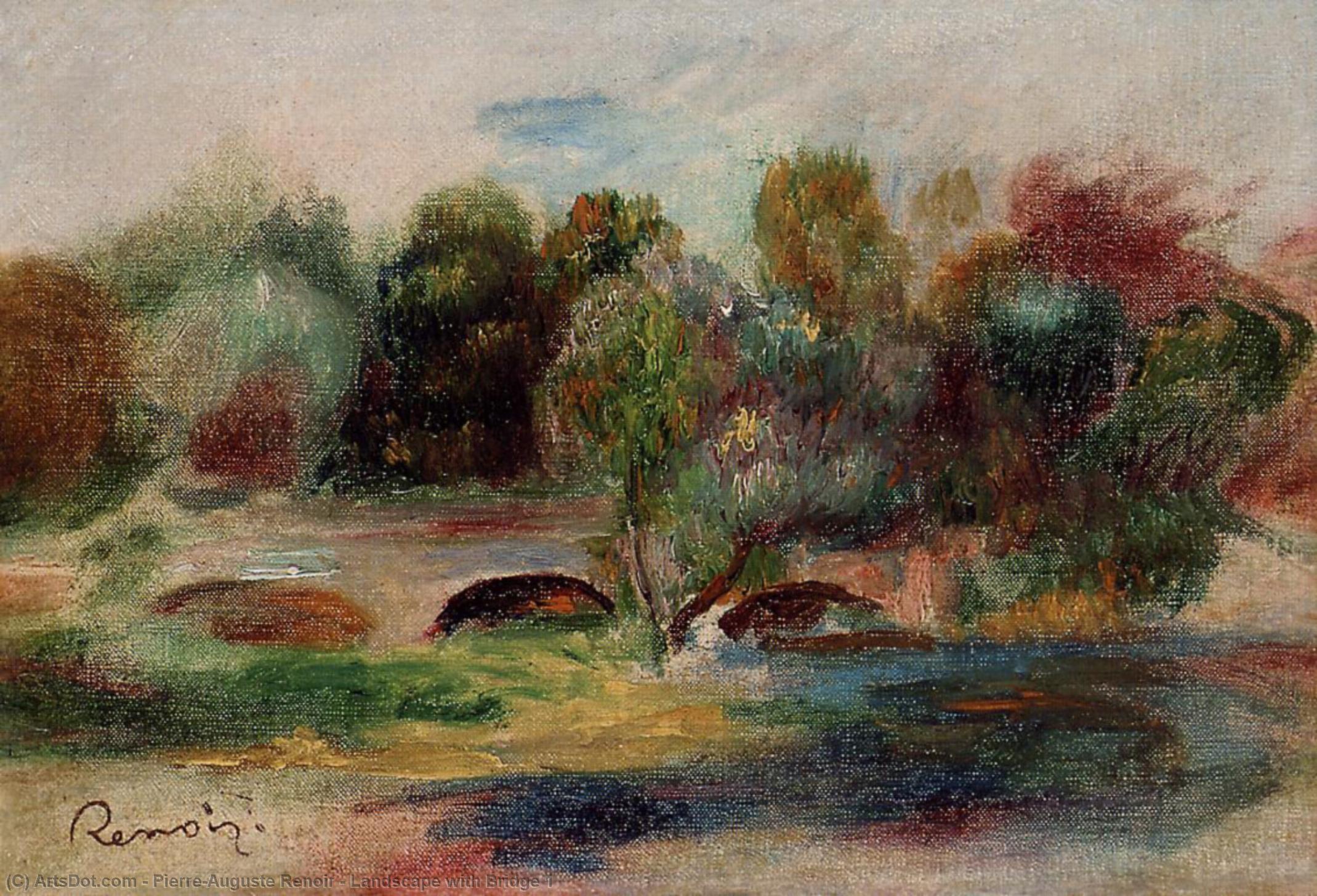
Landscape with Bridge 1

 Read More
Purchase a high-resolution, enhanced digital image, far superior to the online preview.
Each file is meticulously prepared by our in-house specialists using advanced tools and expert manual retouching. We ensure every image has exceptional clarity, precise color accuracy, and fine detail.
The final file is delivered via email within 72 hours, optimized for immediate use in professional, editorial, and print environments. This is the same quality trusted by top-tier design studios, publishers, and galleries.
Digital Image
Download a high-resolution file for personal display, printing, and creative projects. ( Buy Print Buy Hand Made Painting)
Included in Every Digital Image Order
Expert Digital Delivery, Guaranteed
When you choose ArtsDot.com, you're not just getting an image - you're receiving a professionally enhanced digital artwork, crafted with precision and backed by a satisfaction guarantee. Here's everything that comes with your order, automatically:

Fast Email Delivery
Your high-resolution digital image file will be emailed to you within 72 hours of ordering - ready for immediate use.

AI-Enhanced Digital File
Your artwork is professionally optimized using advanced AI tools and manual editing, ensuring maximum detail, clarity, and color accuracy.

Free Lifetime Re-Delivery
Accidentally deleted or lost your file? No worries - we'll resend it to you anytime, free of charge.

No Import Fees - Ever
Enjoy your artwork instantly with zero customs, duties, or delivery fees - digital downloads are always tax-free.

Color Accuracy Guarantee
We ensure your digital image reflects the original colors as closely as possible using professional tools and color management.

60-Day Satisfaction Guarantee
If you're not satisfied with your digital image, we'll revise it or refund 100% within 60 days - no questions asked.

100% Money-Back Guarantee
Not satisfied? Get a full refund within 60 days of receiving your digital file - no questions asked.

Bulk Order Discounts
Buy 3 images, save 10% - Buy 5, save 15% - Buy 10+, save 20%. Great for creative projects, galleries, and agencies.
Collectible Description
A Glimpse of Impressionistic Serenity
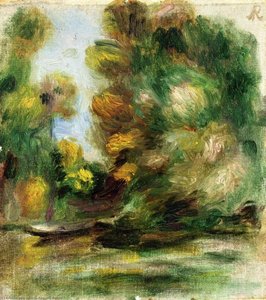
This captivating landscape invites viewers into a tranquil world rendered in the delicate style of Pierre-Auguste Renoir. The painting depicts a serene river scene, alive with lush trees and foliage lining its banks. It’s a quintessential example of Impressionism – not striving for photographic accuracy, but rather capturing the *feeling* of a fleeting moment in nature.Decoding the Style & Technique
The artwork embodies the core tenets of Impressionism. Notice the visible, loose brushstrokes; they aren’t blended to create smooth surfaces, but instead dance across the canvas, suggesting movement and the play of light. Renoir masterfully employs a technique of layering thin washes of oil paint – often referred to as *wet-on-wet* – building up tones and textures with subtle gradations. This creates an atmospheric haze that softens edges and imbues the scene with a dreamlike quality. The composition, while structured around horizontal lines emphasizing the river’s flow, avoids rigid formality. A path or bridge subtly leads the eye into the distance, offering a gentle invitation to explore the landscape.Color & Compositional Harmony
The color palette is dominated by muted earth tones – greens, browns, and soft blues – reflecting a naturalistic yet harmonious approach. These colors aren’t boldly contrasted but rather blend seamlessly, enhancing the sense of tranquility. The composition favors a slightly off-center focus on the trees in the middle ground, drawing attention to their organic forms and creating visual balance. The use of atmospheric perspective—where distant objects appear paler and less defined—further enhances the illusion of depth within the shallow pictorial space.Renoir & The Impressionist Revolution
Born in Limoges, France in 1841, Pierre-Auguste Renoir became a leading figure in the Impressionist movement. He shared with his contemporaries – Monet, Degas, and others – a desire to break away from academic traditions and capture the ephemeral qualities of light and color. Renoir’s work often celebrated beauty in everyday life, particularly feminine subjects, but he also found profound inspiration in landscapes like this one. His artistic lineage can be traced back through masters like Rubens and Watteau, artists who similarly valued sensuality and visual pleasure. The Wikipedia entry for “List of paintings by Pierre-Auguste Renoir” reveals the sheer volume of his output – approximately 4000 works!Emotional Resonance & Symbolic Undertones
Beyond its technical brilliance, this painting evokes a powerful emotional response. It’s a scene that whispers of peace, tranquility, and perhaps a touch of nostalgia for a simpler, rural existence. While lacking overt symbolic elements, the artwork's power lies in its ability to transport the viewer to a place of calm contemplation. Similar works by Renoir, such as “Railway Bridge at Chatou” or "Landscape by the Sea”, demonstrate his consistent exploration of light and atmosphere within natural settings.For Collectors & Design Enthusiasts
This landscape would be a stunning addition to any art collection, bringing a touch of Impressionistic elegance to a home or office. Its muted color palette makes it incredibly versatile, complementing a wide range of interior design styles – from traditional to contemporary. A high-quality reproduction would capture the essence of Renoir’s brushwork and atmospheric effects, offering an affordable way to enjoy this masterpiece. Consider pairing it with furnishings in natural materials like wood and linen to further enhance its organic appeal.Related Artworks
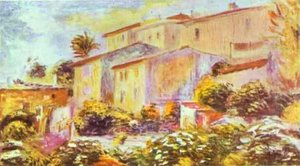
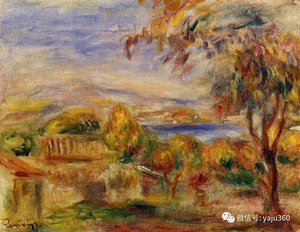
Artist Biography
A Life Bathed in Light: The World of Pierre-Auguste Renoir
Born in the provincial French city of Limoges in 1841, Pierre-Auguste Renoir’s journey from humble beginnings as a porcelain painter to becoming a celebrated master of Impressionism is a testament to his unwavering dedication and artistic vision. His early life was marked by a move to Paris with his family, seeking economic opportunity, an experience that would profoundly shape his artistic sensibilities. The bustling city, with its vibrant street life and diverse characters, became the wellspring of inspiration for much of his later work. Initially apprenticed to paint porcelain – a practical necessity dictated by financial constraints – young Renoir found solace in frequent visits to the Louvre, where he meticulously studied the Old Masters, absorbing their techniques and developing an appreciation for beauty that would become a hallmark of his style. This early exposure ignited within him a passion that transcended mere craftsmanship; it was a calling to capture the ephemeral qualities of light and life on canvas. He later enrolled at the studio of Charles Gleyre, where he forged lifelong friendships with fellow aspiring artists Claude Monet, Alfred Sisley, and Frédéric Bazille – a pivotal moment that would lay the foundation for the Impressionist movement.From Realism to Radiant Impressions
Renoir’s artistic development was a fascinating evolution, influenced by a diverse range of masters. He initially gravitated towards the realism of Gustave Courbet and Édouard Manet, admiring their commitment to depicting contemporary life with honesty and directness. However, it was the luminous palettes and sensual forms of Peter Paul Rubens and Jean-Antoine Watteau that truly captivated him, instilling in his work a deep appreciation for beauty and an inclination towards portraying scenes of joy and leisure. These early influences coalesced as Renoir began to forge his own unique style, characterized by vibrant colors, broken brushstrokes, and a focus on capturing the fleeting effects of light. His participation in the first Impressionist exhibition in 1874 was a watershed moment, though initially met with criticism from traditional art circles. This bold move signaled a rejection of academic conventions and an embrace of a new artistic vision – one that sought to capture not just what the eye sees, but how it *feels* to experience a particular moment in time. Paintings like Dance at Le Moulin de la Galette (1876) exemplify this approach, immersing viewers in the lively atmosphere of Parisian nightlife with its dappled sunlight and joyous figures.Capturing Life’s Fleeting Moments: Key Works and Themes
Renoir's oeuvre is a celebration of life’s simple pleasures – intimate gatherings, sun-drenched landscapes, and the radiant beauty of the human form. Luncheon of the Boating Party (1880-81) stands as perhaps one of his most iconic works, depicting a convivial group enjoying a leisurely afternoon on the Seine. The painting is a masterclass in capturing light and movement, with figures bathed in warm sunlight and reflections shimmering on the water. After the Bath (1885-87) showcases Renoir’s exquisite skill in portraying the female nude, emphasizing delicate skin tones and graceful poses. His paintings are not merely representations of reality; they are imbued with a sense of warmth, intimacy, and joy that resonates deeply with viewers. He wasn't interested in grand historical narratives or dramatic allegories; instead, he focused on capturing the beauty inherent in everyday life, elevating ordinary moments into works of art. Dance at Bougival, another celebrated piece, demonstrates his ability to capture fleeting impressions and atmospheric effects, creating a sense of movement and spontaneity.A Shift Towards Form and Structure: Later Years and Legacy
In the 1890s, Renoir’s style underwent a significant transformation. While he never entirely abandoned his Impressionist roots, he began to move towards a more sculptural and classical approach, influenced by his travels to Italy and a renewed interest in form and structure. This shift was also partly prompted by physical limitations – arthritis gradually restricted his mobility, forcing him to adapt his technique. Despite these challenges, Renoir continued to paint with unwavering dedication, producing works characterized by fuller figures and a warmer palette. His later paintings often reflect a more contemplative mood, yet they retain the same underlying celebration of beauty that defined his earlier work. Beyond his artistic achievements, Renoir’s legacy extends through his family; his son, Jean Renoir, became a renowned filmmaker, carrying forward a creative spirit across generations. Pierre-Auguste Renoir died in 1919, leaving behind an enduring body of work that continues to inspire and delight audiences worldwide. He remains one of the most beloved figures in art history, celebrated for his ability to capture the joy of life and the beauty of the human experience with unparalleled sensitivity and grace.Enduring Influence
- Renoir’s influence on subsequent generations of artists is undeniable. His emphasis on light, color, and capturing fleeting moments paved the way for many modern artistic movements.
- His celebration of beauty and sensuality continues to resonate with audiences today, making his work universally appealing.
- He played a pivotal role in establishing Impressionism as a major force in art history, challenging traditional conventions and opening up new possibilities for artistic expression.
- The enduring popularity of his paintings – reproduced on countless posters, calendars, and other merchandise – testifies to the timeless quality of his work.
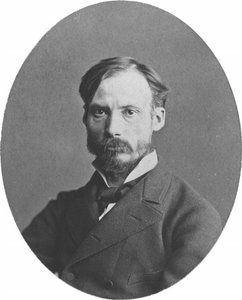
Pierre-Auguste Renoir
1841 - 1919 , France
Quick Facts
- Artistic Movement Or Style: Impressionism
- Artists Or Movements Influenced By This Artist: Impressionism
- Artists Who Influenced This Artist:
- Rubens
- Watteau
- Courbet
- Manet
- Date Of Birth: February 25, 1841
- Date Of Death: December 3, 1919
- Full Name: Pierre-Auguste Renoir
- Nationality: French
- Notable Artworks:
- Dance at Le Moulin de la Galette
- Luncheon of the Boating Party
- After the Bath
- Dance at Bougival
- Place Of Birth: Limoges, France

